Doing a PhD is one of the most rewarding experiences in life. You get to conduct your own research, develop your skills, and ultimately become a doctor! Think back to when you were told that your application was accepted, and you were going to start the PhD position. I bet you were excited and nervous; …[Read More]
The most important aspect of your PhD: supervisor-student relationship
There are many variables when applying for a PhD programme (country, system, length, funding, project, etc.). In regards to choosing a supervisor, I did my best to make an educated choice, and I really lucked out in terms of the people that I am working with. In the past 3.5 years, I have received …[Read More]
The short story of my PhD
PhD students’ struggles are alike; each succeed in their own way[1] It was a Friday morning, and nearly 3 years had passed since I arrived at Sydney. This meant, I only had one month left to submit my thesis! No sooner had I entered my office than a feeling of anxiety had found me. I …[Read More]
Finding support in a four-legged friend
My dog, Roxanne (Roxy for short), has been by my side for my entire graduate career. I adopted Roxy before starting a two-year Master’s program at the University of California, Santa Barbara. She moved with me to the University of Maryland for my PhD program. Now in the second year of my PhD, I cannot …[Read More]
First time… publishing a paper
I can’t speak for anyone else, but finally getting a paper through comes with the great satisfaction of not having to deal with the project anymore. There’s a sense of relief, hope, and maybe excitement that the time that is now freed up can be used on other, new projects. Anyway, I am currently still …[Read More]
Should I… do a coding PhD when I don’t have much experience coding?
“The ideal applicant will have a strong background in coding.” I’m not sure if those were the exact words that advertised my PhD project, but a requirement of coding ability was certainly heavily implied. We’re used to hearing stories about job requirements in the professional world, but in my experience at least, we think much …[Read More]
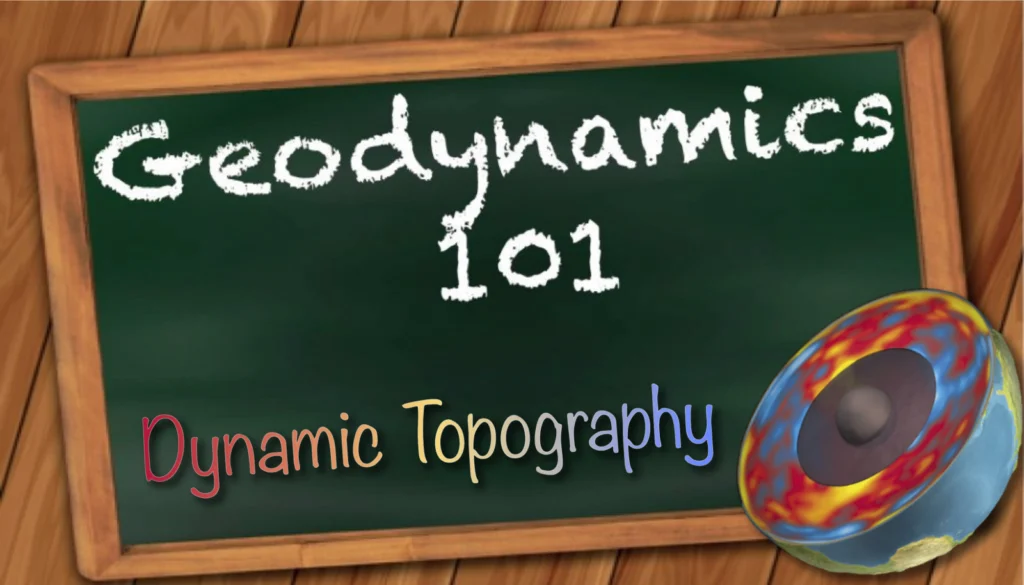
Geodynamics 101: Dynamic Topography
The Geodynamics 101 series serves to showcase the diversity of research topics and/or methods in the geodynamics community. In this week’s post, Fred Richards explains how ‘Dynamic Topography’ is used in the Geosciences, and discusses the knowns, unknowns, and the challenges ahead. Since shortly after its tumultuous formation 4.5 billion years ago, Earth has been …[Read More]
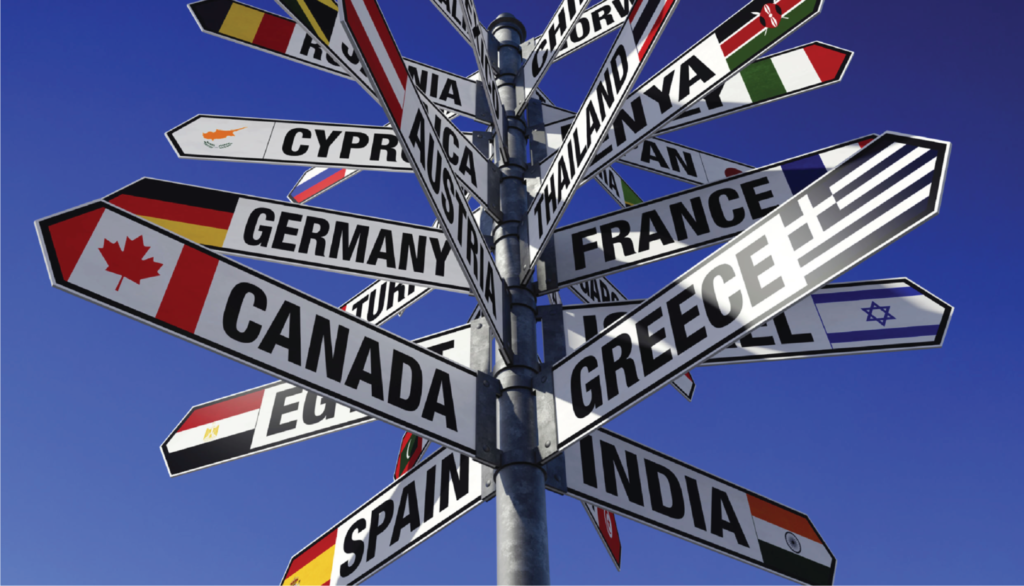
The challenges (and the perks) of being academic nomads
It has become inevitable for scientists to move abroad for their jobs. Moving to and living in a new country can be a very exciting, yet also tough experience. In today’s blog post, Irene Bonati (PhD Student at the Earth-Life Science Institute, Tokyo) discusses the challenges and perks that come with the nomad lifestyle of …[Read More]
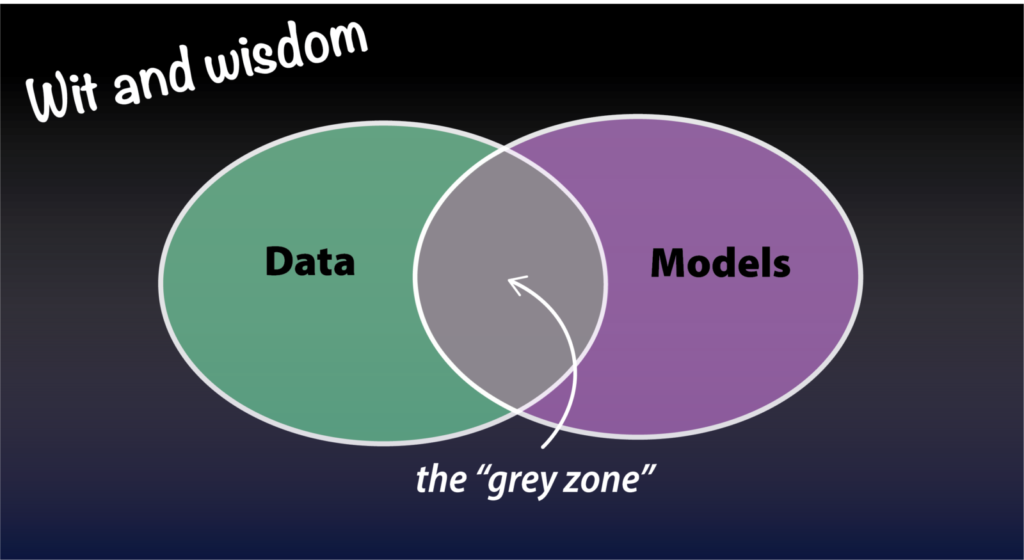
The conundrum posed by data and models
A privilege of being an academic is the freedom to muse, staying faithful to the title of a PhD which is, after all, a doctor of philosophy. In his latest reflection on a topic of importance to all scientific disciplines, Dan Bower (CSH and Ambizione Fellow at the University of Bern) discusses the ambiguity that …[Read More]
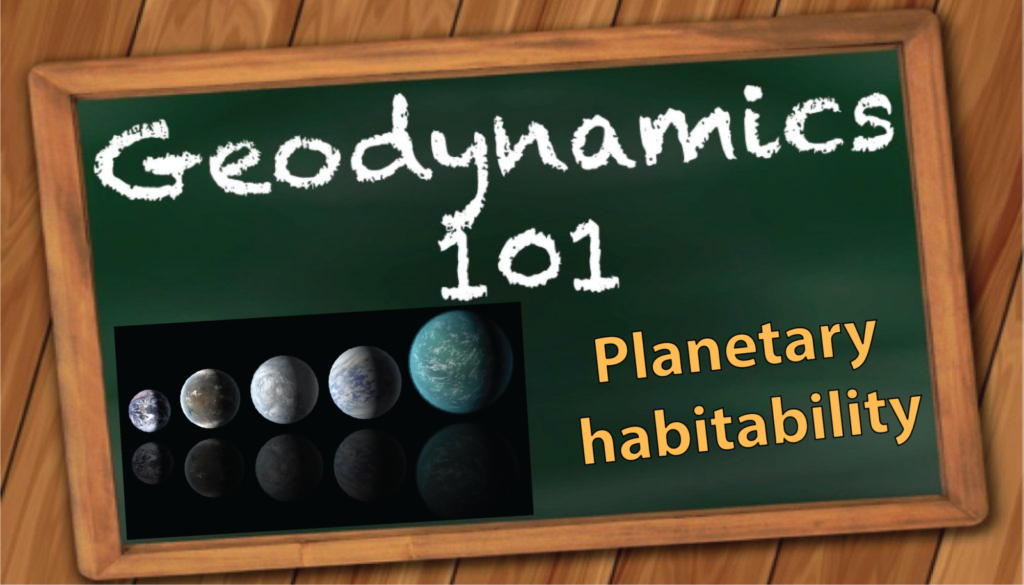
The geodynamics of planetary habitability
The Geodynamics 101 series serves to showcase the diversity of research topics and/or methods in the geodynamics community in an understandable manner. In this week’s Geodynamics 101 post, Brad Foley, Assistant Professor at the Department of Geosciences, Pennsylvania State University, talks about the geodynamics of planetary habitability and in particular the key role of CO2 …[Read More]