
Fatiando a Terra: a journey into open-source software for Geophysics
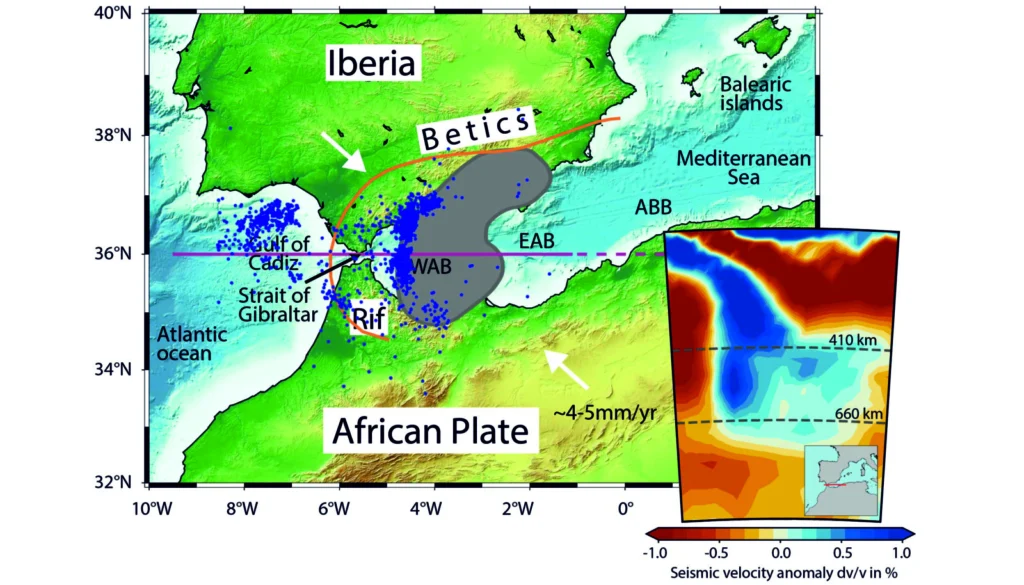
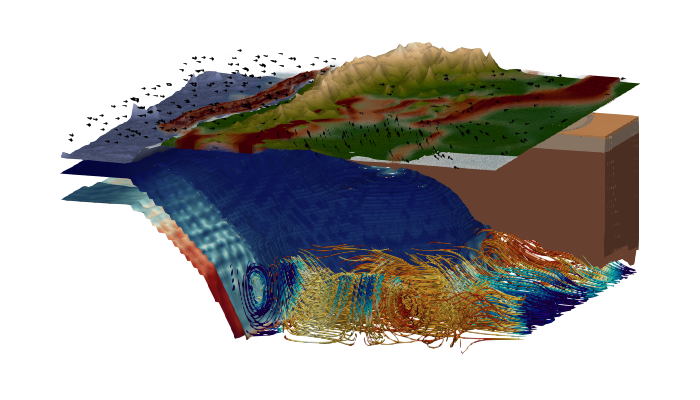
Figure 1. Topography of the Gibraltar Arc region. The shaded area indicates the position of positive seismic velocity anomaly supposedly representing the position of the slab at 270 km depth from seismic tomography (Amaru, 2007). The purple line shows the position of the modelled cross-section for the model shown in this blog. Blue dots indicate …[Read More]
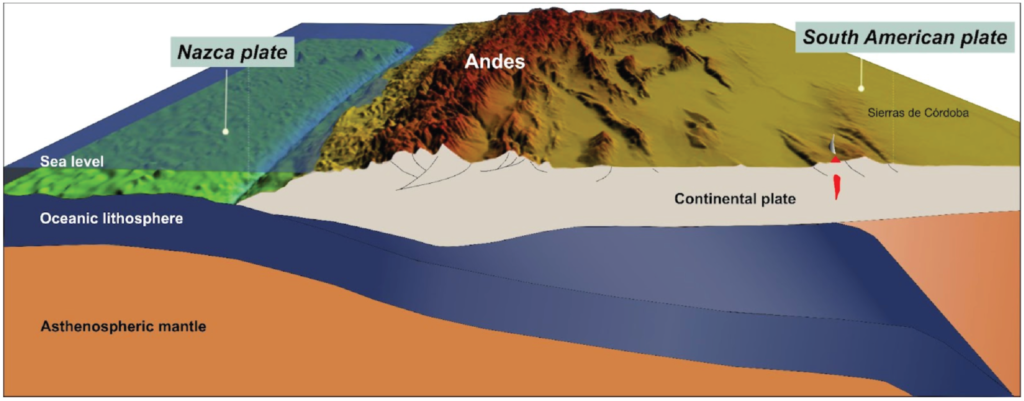
Reflections on the geological and geodynamic evolution of the Southern Central Andes
We live in the very heart of the Digital Age, where Artificial Intelligence (AI) is already playing a dominant role in our world. We have to ask ourselves what the future will hold for the field of Geosciences in the next years to come? In this week’s blog, our main goal is to share our …[Read More]
The ability to easily compile and quickly evaluate both geological and geophysical data is essential for geodynamicists to understand Earth’s evolution. This week Dr. Ben Mather, a Research Fellow at the University of Sydney, introduces us to GPlately, a new tool designed to accelerate spatio-temporal data analysis in GPlates. GPlately is a Python package that …[Read More]
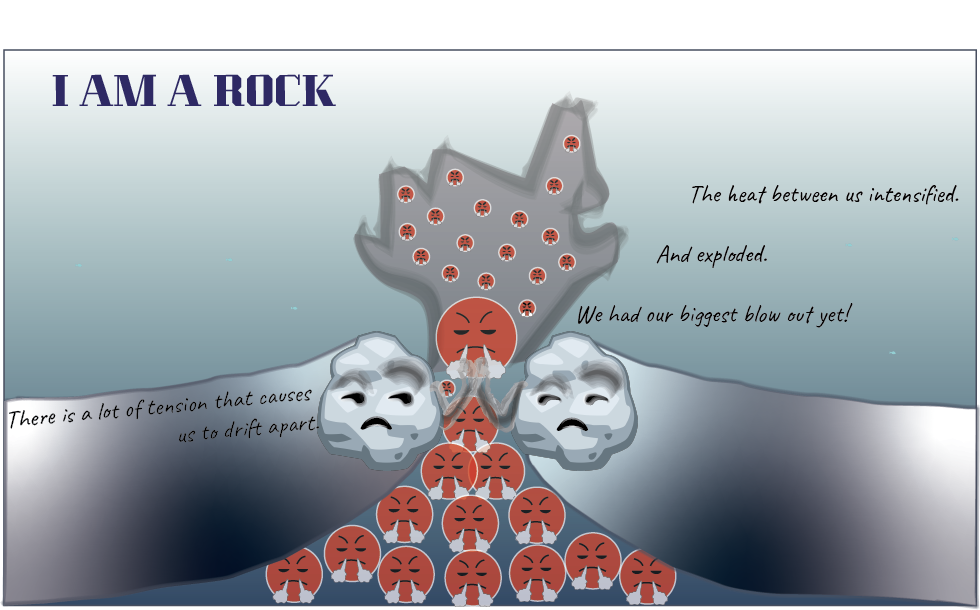
Outreach is becoming a more and more prominent part of the work of researchers. With public funding many of us are expected to show in a creative way what we do with our funding, but it is not easy to step out from the << I will post on social media>> comfort zone. This week …[Read More]
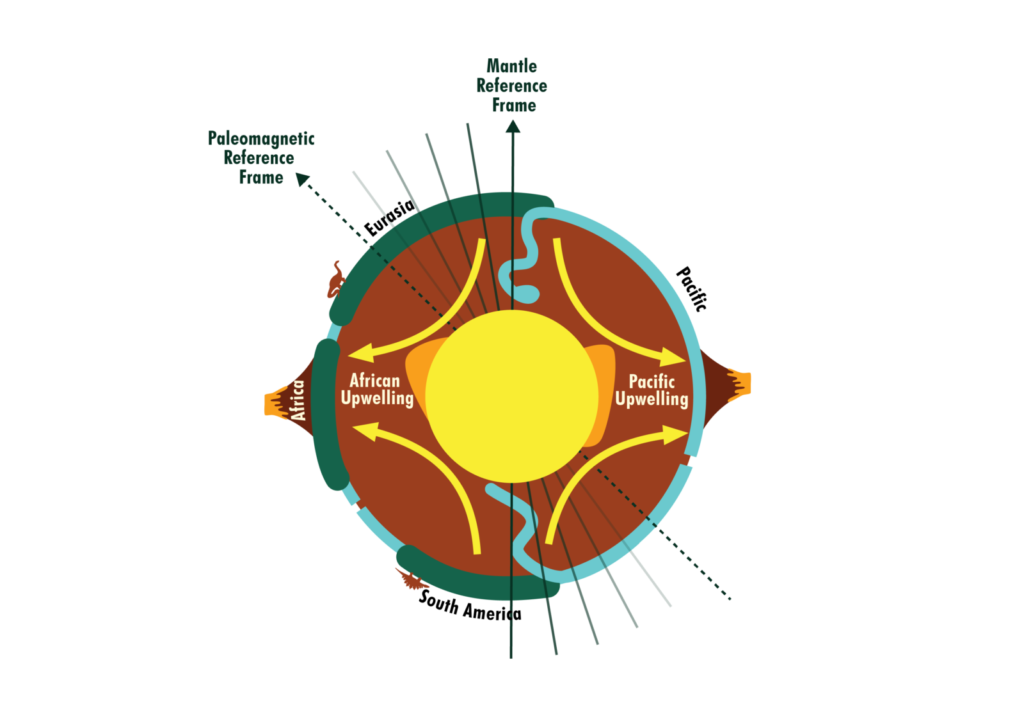
Have you ever pondered the significance of reference frames in the reconstruction of tectonic paleo positions? In this edition of News & Views, we feature Jonathon Leonard as he delves into this subject, aided by illustrations from Rachel O’Brien. In the 1600s, in an effort to show why we cannot feel the Earth orbiting the …[Read More]
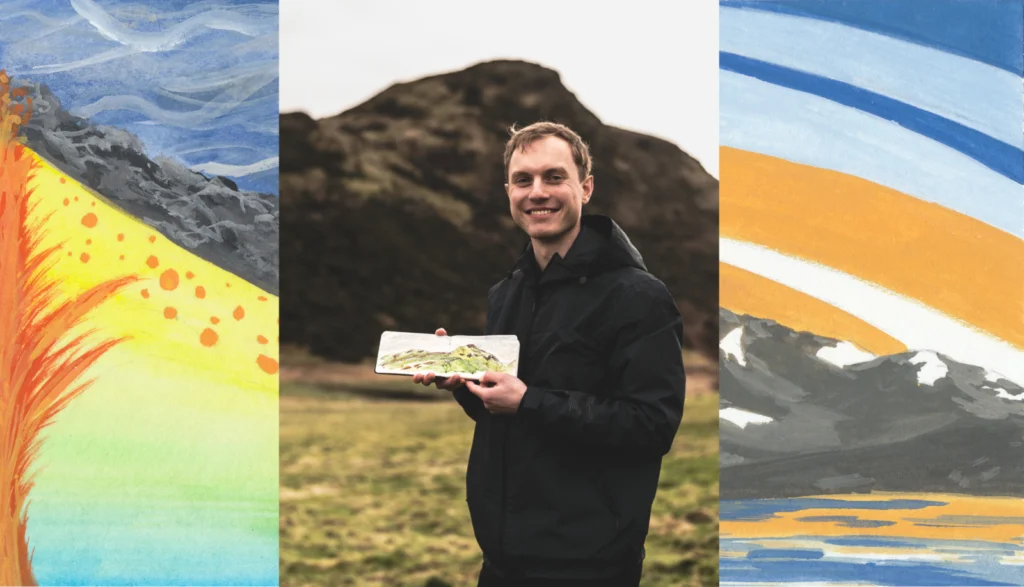
Vojta Hýbl from the blog illustration team (photo taken by India Hunkin). Spreading research news to a broad audience is important but difficult work for scientists. Luckily, we have an amazing illustration team who are happy to share their artistic creation. Their artwork has helped us expand the readership and made our blogs increasingly popular. …[Read More]