NH
Natural Hazards

Natural Hazards

Natural Hazards 101: Forecasting and modelling

Natural Hazards 101: Forecasting and modelling

With the Natural Hazards 101 series, we mean to bring our readers closer to the terminology often used in the field of natural hazards, but that may not be so familiar. In the first episode of the series, we focused on the definition of hazard and natural hazard. We moved then to the concept of risk, which brought us to define exposure and vulnerability. Later on, we digested the disaster terminol ...[Read More]

Meet and greet with the Natural hazards Early career scientists Team – NhET

Meet and greet with the Natural hazards Early career scientists Team – NhET

Do you know that there is a Natural Hazards team of clever, fun and friendly early career scientists? This team takes care of the blog you are reading (and we hope enjoying) and organises and helps with sessions, short courses and great debates during the EGU General Assembly. Moreover, we created a network of early to mid-career scientists from different disciplines and backgrounds of the Natural ...[Read More]

Paving the way for climate resilience: what can we learn from the coronavirus pandemic?

Paving the way for climate resilience: what can we learn from the coronavirus pandemic?

Even though significant epidemics and pandemics have been recorded many times throughout human history, the Covid-19 pandemic demonstrated how vulnerable our societies still are. While the consequences of the pandemic are still ongoing, the global response so far can potentially offer some insights to support climate change response. Undoubtedly, the world is already experiencing a wide range of c ...[Read More]

Artificial intelligence for disaster management: that’s how we stand

Artificial intelligence for disaster management: that’s how we stand

On the 23rd of June, I participated in the Second Workshop for AI (Artificial Intelligence) for Natural Disaster Management that hosted around 400 scientists, UN advisors, practitioners and policymakers from all over the world interested in machine learning for supporting disaster prediction and early warning. AI is not my research area; however, I have always been interested in the new advances t ...[Read More]

Lessons learnt, and to be learnt from the Uttarakhand, Himalaya 2021 catastrophic event.

Lessons learnt, and to be learnt from the Uttarakhand, Himalaya 2021 catastrophic event.

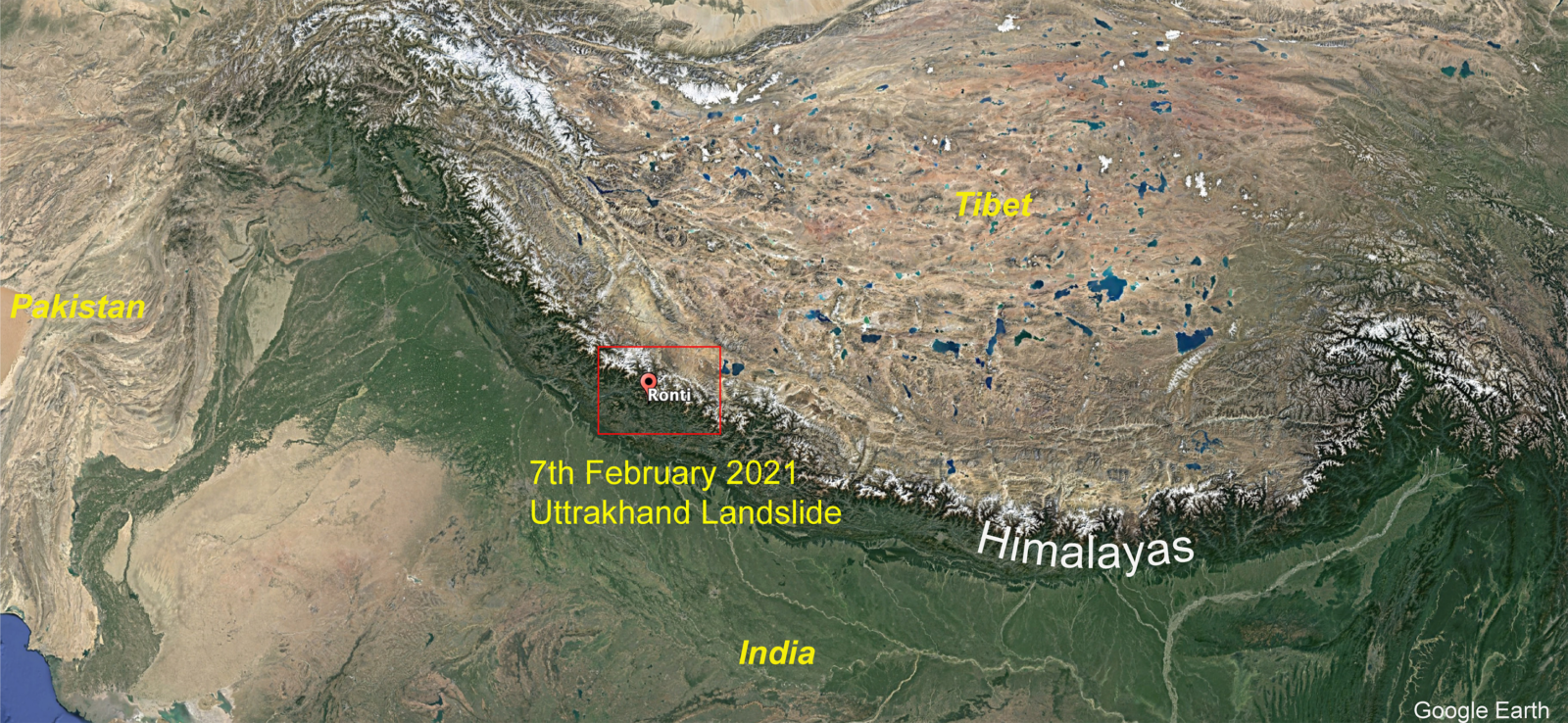
Rising global temperature and melting of glaciers in the Himalaya are changing the Himalayan cryospheric dynamics and causing a dramatic increase in the frequency and magnitude of the natural and anthropogenic hazards. One such example was the 7th February 2021 Uttarakhand landslide-induced floods, which killed almost 200 people and washed away two hydropower dams, amidst when India was dealing wi ...[Read More]

Mitigating Soil Erosion After Wildfires

Mitigating Soil Erosion After Wildfires

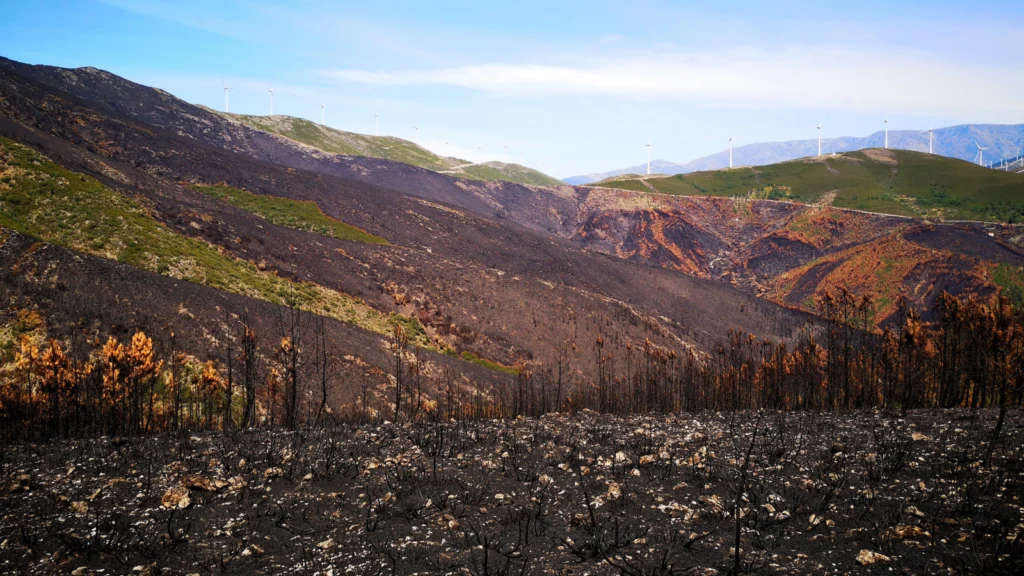
Wildfires are a natural element in many ecosystems and play a central role in their dynamics. For example, they clear forest floors and liberate nutrients that can replenish the soil. However, changes in fire regimes induced by anthropogenic factors (such as climate change and land uses) have resulted in fire patterns that harm ecosystems [1]. Let’s see together the issues and the mitigation solut ...[Read More]

LANDAWARE: the international network on landslide early warning systems

LANDAWARE: the international network on landslide early warning systems

For today’s interview, it gives me great pleasure to host Dr Manfred Stähli, who will tell us about a new initiative in the field of Landslide Early Warning Systems (LEWS), which is attracting the attention and participation of researchers from many countries. This initiative is called LandAware. Manfred is a senior scientist in mountain hydrology, slope stability and early warning systems a ...[Read More]

Diagnosing drought in northeast Brazil

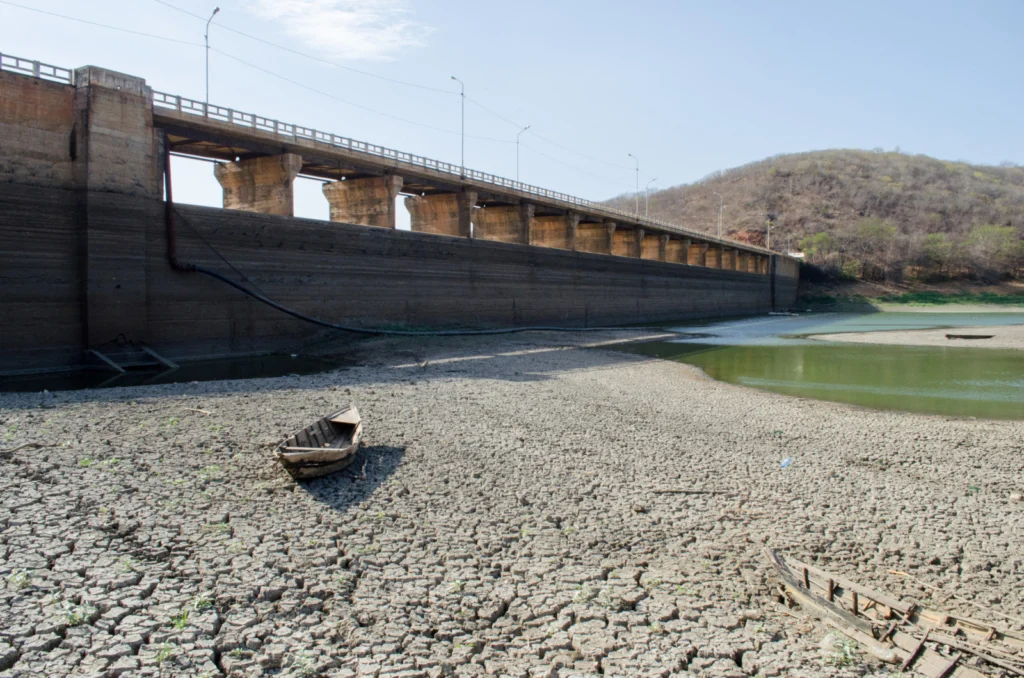
A dam, an almost empty water reservoir and a small abandoned boat

Worldwide, drought has put lives and livelihoods under serious threat. People are increasingly suffering from drought, but we often also aggravate drought ourselves. Fortunately, solutions to drought problems are mainly in our own hands as well. Drought is not just a water problem. It is a societal problem.   Droughts: a local problem with global relevance In recent years, droughts seem to be ...[Read More]

#vEGU21: Gather Online – Get ready for the Natural Hazards and ECS activities

#vEGU21: Gather Online – Get ready for the Natural Hazards and ECS activities

Have you heard the news? The next EGU’s General Assembly is starting on Monday, and this year it will last for two weeks!!! And yes, as you may have guessed, with the Covid-19 pandemic continuing to have a considerable impact on face-to-face scientific meetings throughout the world, EGU 2021 will be entirely virtual. And that’s not all. We will have the ability to interact with each ot ...[Read More]

Tackling the leaks in the transport network with Maria Pregnolato

Tackling the leaks in the transport network with Maria Pregnolato

Transport networks are crucial to our lives, from commuting to work to reach health care facilities, from the transport of goods to leisure travelling. To quote Robin Chase, an American transport entrepreneur: “Transportation is […] the glue of our daily lives. When it goes well, we don’t see it. When it goes wrong, it negatively colours our day, makes us feel angry and impotent, curta ...[Read More]