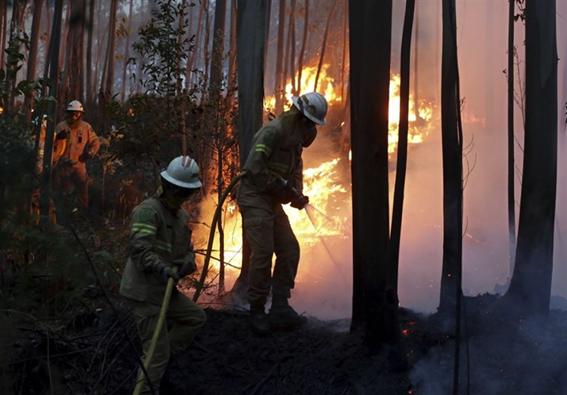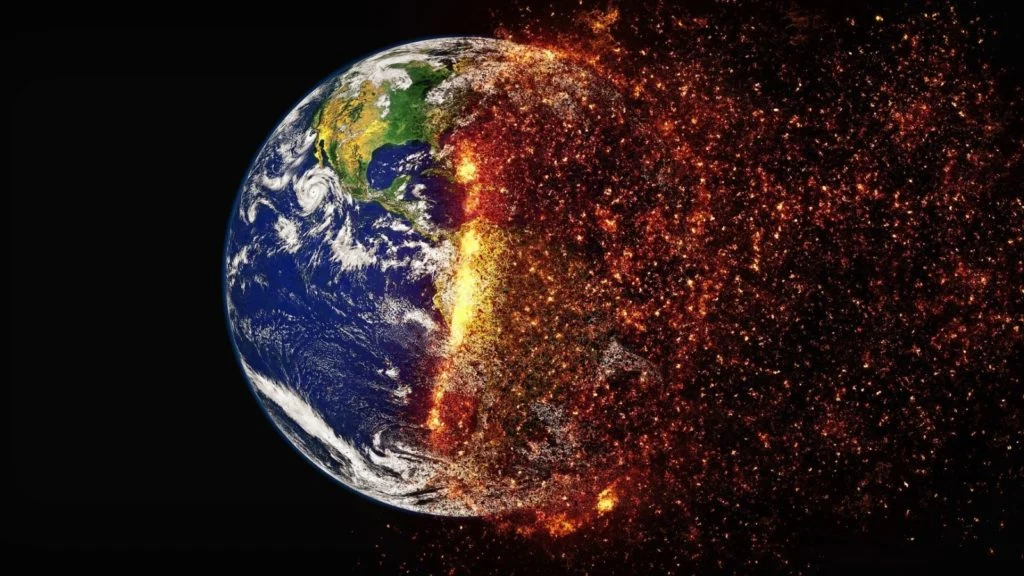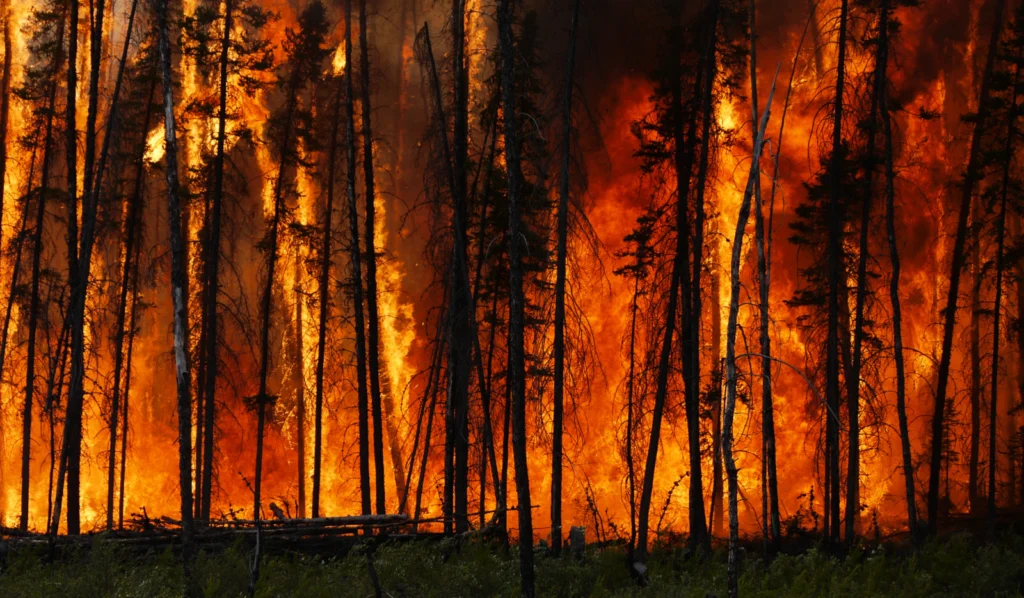
In the last decades, the strength of climate change has been evident across the globe in many weather and climate extremes occurrences, including heatwaves and droughts. Those events are involved in all fire stages and influence all aspects of the fire regime [1]. Climate change is driving unprecedented wildfire in the Mediterranean region The Mediterranean region is a climate change hots ...[Read More]
Discovering the CoastSnap project – Interview with Dr Mitchell Harley
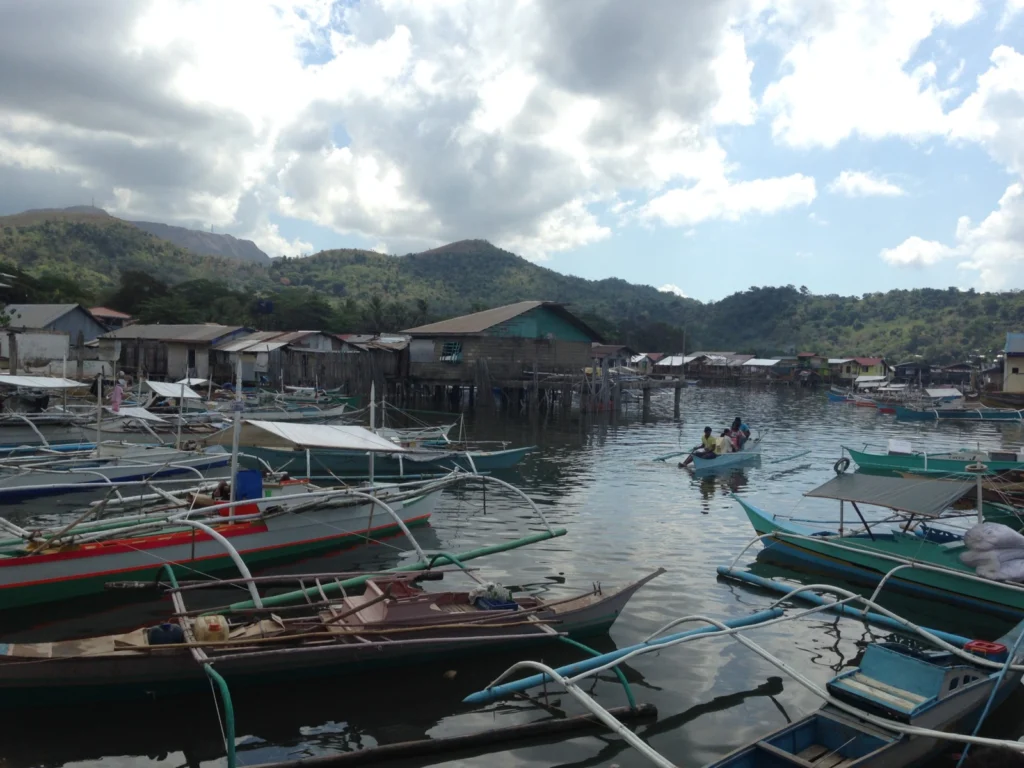
CoastSnap is a global citizen science project aiming at monitoring the changes in our coastlines due to processes such as storms, rising sea levels, and human activities using smartphones. We will discover more about this promising project by chatting today with Dr Mitchell Harley, founder of the CoastSnap program. Mitchell is a Researcher and Senior Lecturer in the School of Civil and Environment ...[Read More]
Reducing housing vulnerability to natural hazards – Interview with Dr Eefje Hendriks
The impact of natural hazards on vulnerable communities can be devastating, causing fatalities, damaging houses and livelihoods, and pushing people into poverty. These disasters make them even more vulnerable. A growing line of research identifies actions and tools to reduce vulnerability and make communities more resilient. An interesting and crucial part of this research investigates the role of ...[Read More]
Climate change: let’s talk about adaptive capacity
The ancient Greek philosopher Heraclitus once said, “there is nothing permanent except change”. We are living in an epoch where constant change is the new normal. Unquestionably, climate change is one of the most significant challenges of our time. How can we shape our thinking to become more agile to change, and what attributes do organisations and societies need to increase their cap ...[Read More]
Fire impacts on Earth across space and time: a discussion-driven conference
Earth is the only known planet with fire activity – everywhere else, there is not enough oxygen for this process to occur. Since fire appeared on Earth many millions of years ago, it has played a key role in the development of plant adaptation and the distribution of ecosystems. However, the natural occurrence of fire changed with the onset of human evolution. The purposeful use of fire for ...[Read More]
The new President-elect of the EGU Natural Hazards Division: a talk with Heidi Kreibich
In today’s interview, we have the pleasure of talking with Dr Heidi Kreibich, lecturer at the Geography Department at Humboldt-Universität zu Berlin and head of the working group “Flood risk and climate adaptation” at the German Research Centre for Geosciences (GFZ). From her interest in investigating different types of flooding associated with complex physical and anthropogenic ...[Read More]
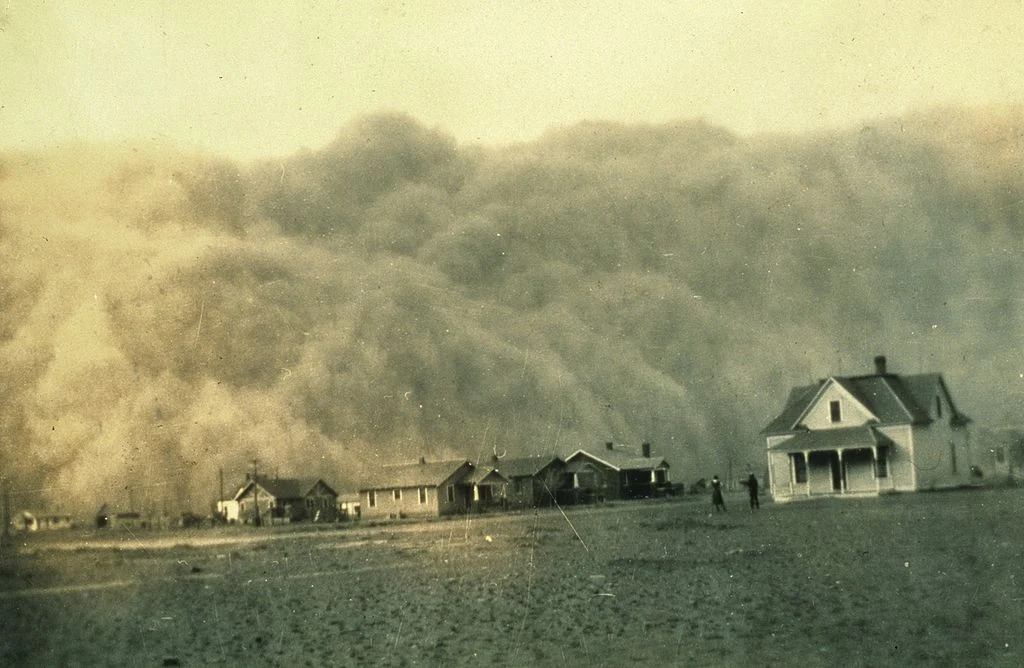
Life with dust: its impacts and how to catch it
In today’s interview, we have the pleasure to meet Dr Slobodan Nickovic, who won the prestigious 2022 Plinius Medal. Slobodan is a research consultant at the Republic Hydrometeorological Service of Serbia, and at the Institute of Physics in Belgrade, Serbia. Throughout his career, he worked for national and international educational, scientific, and operational institutions including the Uni ...[Read More]
Putting some pieces of the climate puzzle together, a chat with Jakob Zscheischler
The climate on our home planet is changing, and the effects of this change affect all of us at different levels starting from an enhancement of extreme weather events, a severe natural hazard. Climate change has several drivers, which in turn have complex interactions. Thus, it should not surprise us if climate science is a complex and interdisciplinary discipline with numerous players and great p ...[Read More]
Define and assess drought, the herculean challenge!
The frequency and intensity of drought periods have increased since the 1950s over most land areas [1]. In fact, between 1998 and 2017, drought was the sixth natural hazard associated with disasters (4.8% of the total number of disasters) but the second in terms of the total number of affected people (33% of the total number of affected people), causing more than 21,000 deaths [2]. For example, in ...[Read More]
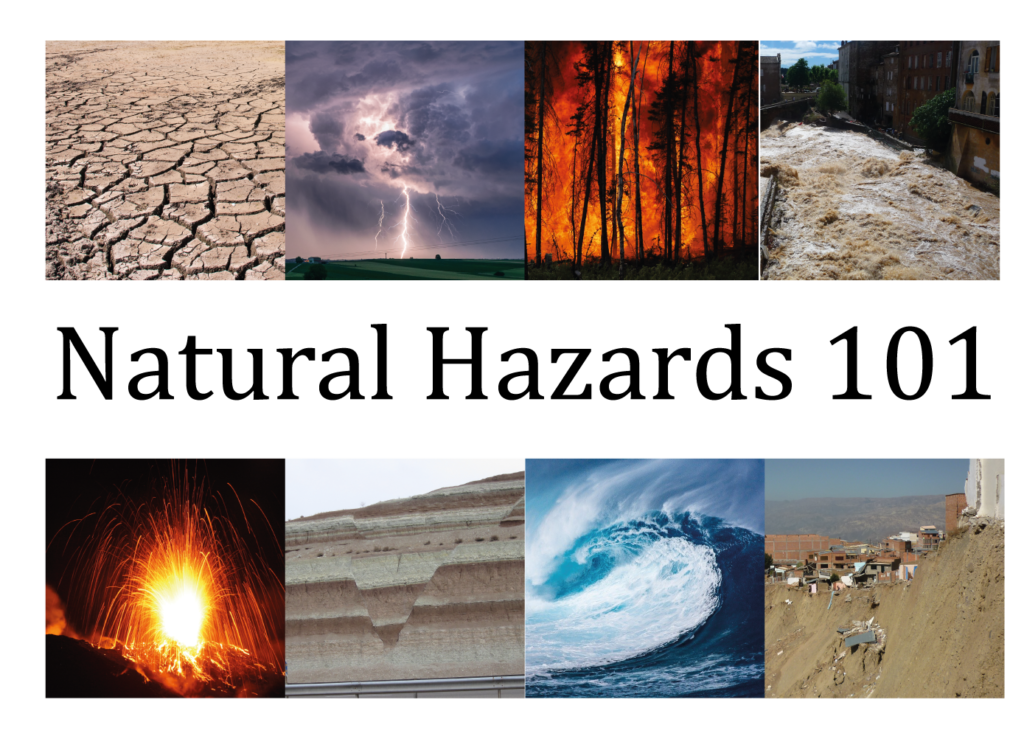
Natural Hazards 101: Forecasting and modelling
With the Natural Hazards 101 series, we mean to bring our readers closer to the terminology often used in the field of natural hazards, but that may not be so familiar. In the first episode of the series, we focused on the definition of hazard and natural hazard. We moved then to the concept of risk, which brought us to define exposure and vulnerability. Later on, we digested the disaster terminol ...[Read More]