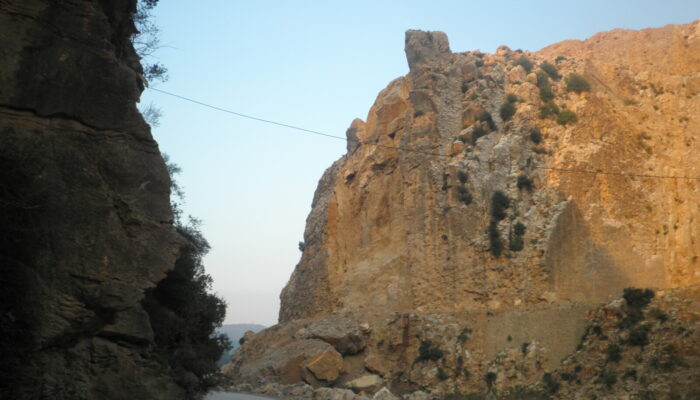
Cities are expanding faster than ever, often onto steep and unstable terrain. As urban areas grow, landslides increasingly threaten homes, roads, and critical infrastructure. To manage this risk, scientists produce landslide susceptibility maps, which estimate where landslides are most likely to occur. These maps are widely used by planners and decision-makers. But there is a quiet assumption buil ...[Read More]
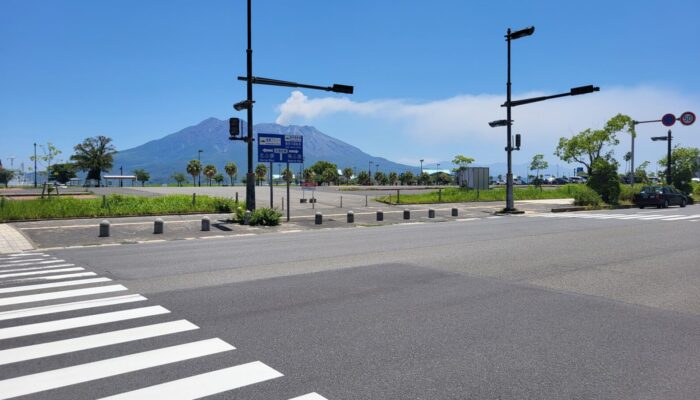
If a Resilient City Had a Face: It Might Look Like Kagoshima
As natural hazard scientists, we often emphasise the concept of exposure – how much people, infrastructure, and ecosystems are in harm’s way when close to natural hazard sources (e.g., floodplains, volcanoes, or fault lines). The closer you are, the higher the risk. Therefore, one of the main goals in natural risk assessment is to reduce exposure whenever possible. We advocate for informed plannin ...[Read More]
How is earthquake-driven sea-level rise changing our coasts?
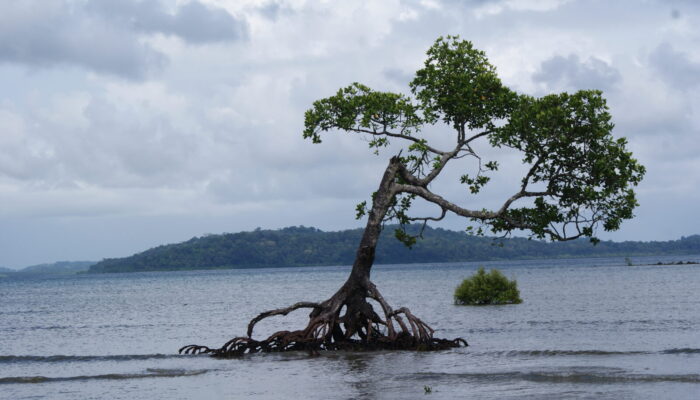
Coastal regions have always been at risk from natural hazards, but now, there’s an added layer of complexity. Earthquakes, which cause the land to move up or down, can significantly affect sea levels, especially in regions already experiencing the effects of climate change. Earthquakes can alter coastlines in ways that we’re still trying to understand, and it’s clear that tectonically active areas ...[Read More]
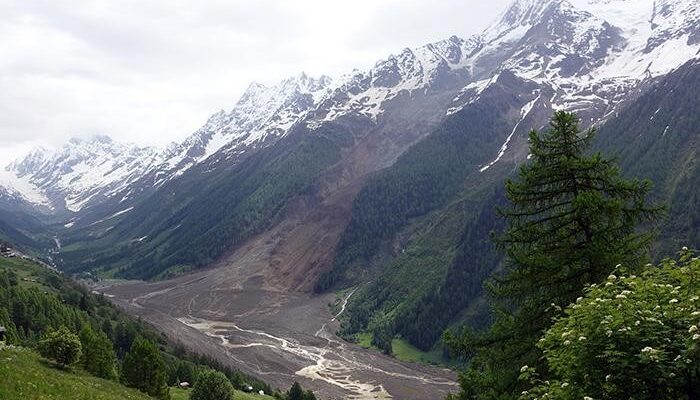
The Blatten landslide in Switzerland
In the morning of May 28, 2025, the picturesque Swiss alpine village of Blatten sat quiet and serene in the Lötschen Valley. Exceptionally quiet, in fact, as the village was evacuated on May 19th after a local Natural Hazards expert spotted a worrisome change in a local mountain looming about the village, the Kleines Nesthorn: it was collapsing faster. The Kleines Nesthorn is a 3,341-meter peak wi ...[Read More]