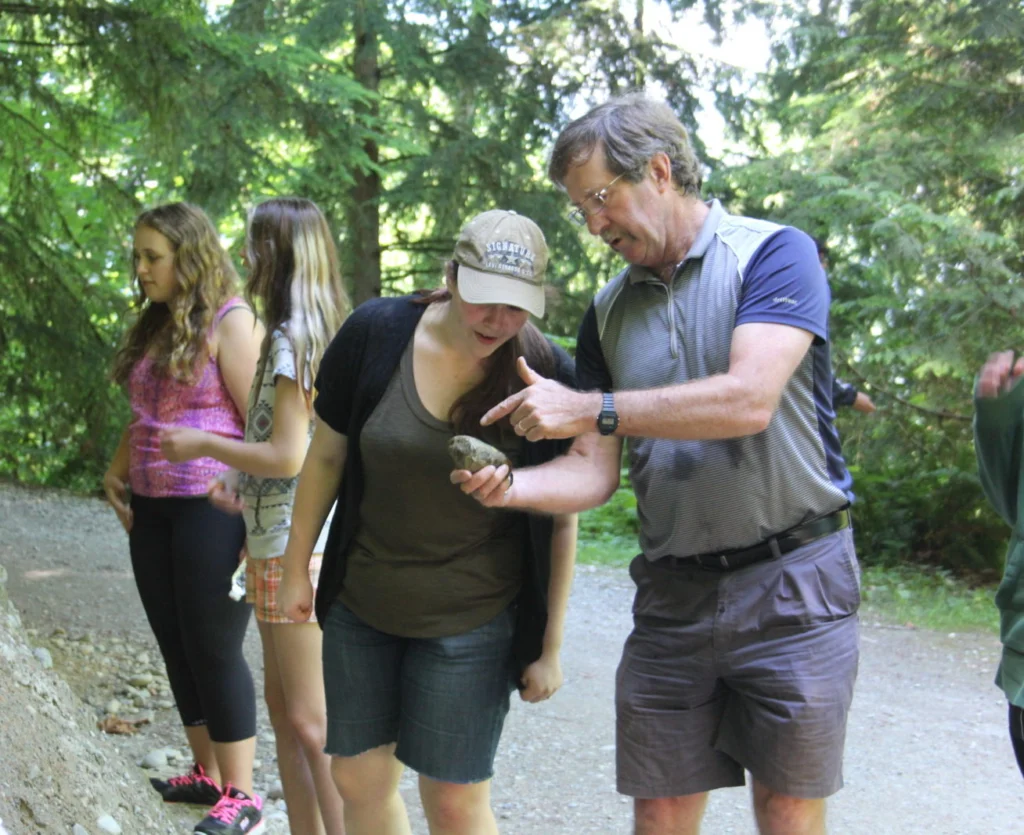
In today’s interview, we talk with Prof John J. Clague, who was awarded the 2020 Sergey Soloviev Medal for his remarkable scientific contributions in fundamental and applied research on earthquakes, tsunamis, outburst floods and landslides, directed towards risk reduction for the benefit of societies. Hi John, can you please briefly introduce yourself, telling your main research focus and wh ...[Read More]
Tips for success
The multitasking skillbox of researchers, direct experiences from Early Career Scientists.
Science is “the study of the nature and behaviour of natural things and the knowledge that we obtain about them” (Collins online dictionary). In other words, science is tightly linked to gaining knowledge. However, this definition and many others never mention that to gain knowledge through science, a vast amount of experience must be acquired beforehand and put into practice every day ...[Read More]
Behind the scene: knowing the President of the EGU Natural Hazard Division – Ira Didenkulova!
In this last post of 2019, I have the pleasure to ask some questions to Ira Didenkulova, the President of the EGU Natural Hazards division who has been recently elected for a second mandate. Ira, can you introduce yourself and tell what led you the position of EGU Natural Hazard (NH) Division president? What are the main challenges you had and what’s next for the NH division? It seems this ...[Read More]
Where science and communication meet: the editorial world of scientific journals.
The ultimate scope of scientists is to publish their research advancement and share it with the scientific community and civil society. Researchers, whether coming from academia or research institutes, publish their results in peer-reviewed journals, that are usually highly technical and often incomprehensible to anyone except the major experts in the field. In some subjects is inevitable given th ...[Read More]
Gaius Plinius Secundus and Sergey Soloviev, two names and awards.
The EGU has an award system in place aiming at recognising eminent scientists for their outstanding contribution in Earth, planetary and space science. There are different medals a researcher can be nominated to, including Division ones. Ah, before I forget: the deadline for this year nominations is 15 June! Don’t miss the chance to appoint an outstanding colleague. You can find more information o ...[Read More]
Job matchmaking in the water sector
Sooner or later in your career, you have turned lunch breaks, entire weekends or nights into a job search. Looking for a job can be like dating: it can either be an easy going match, quickly finding the right job position for you, or it might be a long and unsatisfying search over millions of websites. The climax arises if you want to use your past research expertise into something new, a multidis ...[Read More]
Fantastic grants and where to find them, part 1.
At some point in your career, usually, sooner than later, you will need to write a grant proposal to ensure yourself a paid research position. Funding agencies are out there waiting to receive your great and original ideas and possibly grant you some money to transform these ideas into actual science. One can spend an entire day just researching on the internet the best funding scheme. To h ...[Read More]