NH
Natural Hazards

Social impact of natural hazards

Assessment of multiple predictors to the psychological effects of flooding for residential and business sectors in Peninsular Malaysia
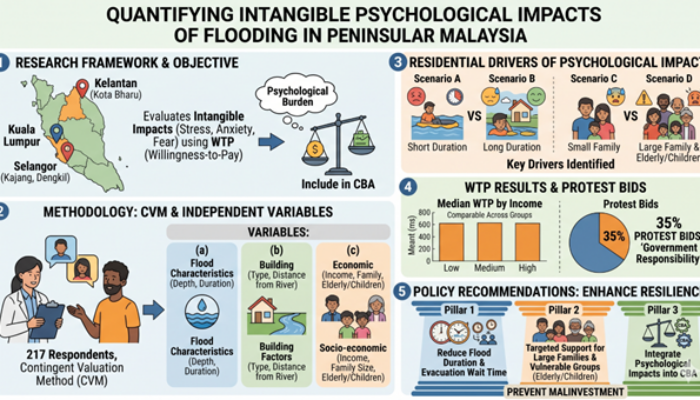

Assessment of multiple predictors to the psychological effects of flooding for residential and business sectors in Peninsular Malaysia
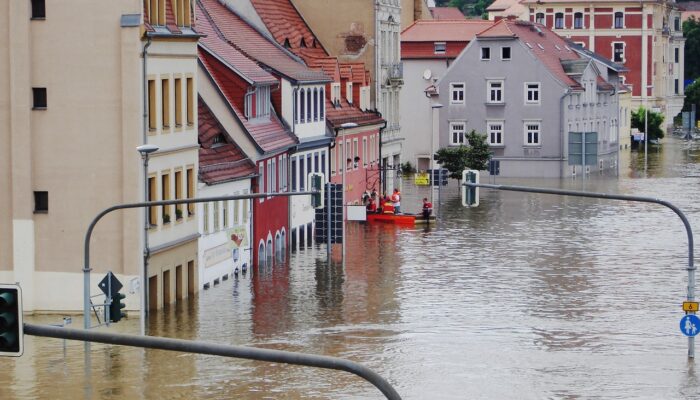
Experiencing a severe flood can lead to profound emotional and mental distress, including anxiety, depression, and long-term stress. These mental health struggles often stem from the trauma of losing cherished possessions, disrupted daily routines, or the terrifying threat to personal safety and the lives of loved ones. Yet, because mental well-being is an “intangible” loss, it is freq ...[Read More]

Education and Awareness as Pillars for a Disaster-Resilient Future – An Interview with Marina Morando, Programme Director at CIMA Research Foundation

Education and Awareness as Pillars for a Disaster-Resilient Future – An Interview with Marina Morando, Programme Director at CIMA Research Foundation

This year, the International Day for Disaster Risk Reduction, observed on October 13th, emphasises the crucial role of education in mitigating disaster risks. In this insightful interview, we have the pleasure of discussing this important topic with Engineer Marina Morando, Programme Director at the CIMA Research Foundation in Italy. She brings extensive research and operational experience in civi ...[Read More]

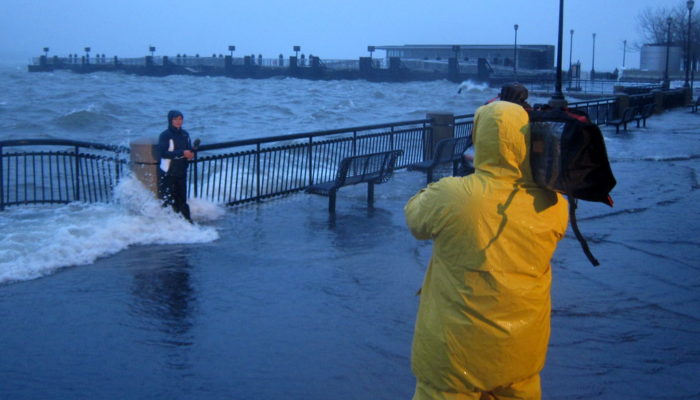
Taking the risk personally: how perceived flood experience relates to risk perception, sensed coping appraisal, and protective behaviour

Taking the risk personally:  how perceived flood experience relates to risk perception, sensed coping appraisal, and  protective behaviour

The frequency and severity of extreme weather events, such as heavy rainfall, droughts, and storms, are increasing globally, putting societies and infrastructures worldwide at risk [1]. These developments demand effective adaptation measures and ways to enhance societal resilience. Consequently, it is necessary to understand how people perceive and respond to natural hazards. Knowing that the occu ...[Read More]

Disentangling the complexity of multi-(hazard-)risks: conversations with Marleen de Ruiter, the EGU NH Division 2024 Early Career Scientist Award Winner

Disentangling the complexity of multi-(hazard-)risks: conversations with Marleen de Ruiter, the EGU NH Division 2024 Early Career Scientist Award Winner

Marleen de Ruiter is Assistant Professor at the Institute for Environmental Studies (IVM), Vrije Universiteit Amsterdam. Her research focuses on multi- and consecutive disasters, improving modeling capabilities and understanding of multi-hazard risk and assessing the potential adverse impacts of Disaster Risk Reduction measures across different hazards. She manages the Myriad-EU project, co-leads ...[Read More]

A symphony of uncertainties: exploring the interplay between climate hazards and human societies

A symphony of uncertainties: exploring the interplay between climate hazards and human societies

Climate hazards are manifestations of the Earth’s complex climatic systems. As natural events, they have always occurred, yet changes in the global climate increase the frequency and intensity of extremes and their impact on the built environment and people. Predicting the nature, scale, and location of climate hazards and their complex interplays with anthropogenic factors is not a straightforwar ...[Read More]

Environmental (non-)migration: Whose security is at stake?

Environmental (non-)migration: Whose security is at stake?

Migration is commonly perceived as a strategic response to address the repercussions of environmental threats and climate change. The International Organization for Migration defines ‘environmental migrants’ as those individuals who alter their place of residence due to a sudden or progressive change in the environment that adversely affects their lives or living conditions. Conversely, those who ...[Read More]

Training of Trainers to improve Geological Disasters Resilience in Malaysia

Training of Trainers to improve Geological Disasters Resilience in Malaysia

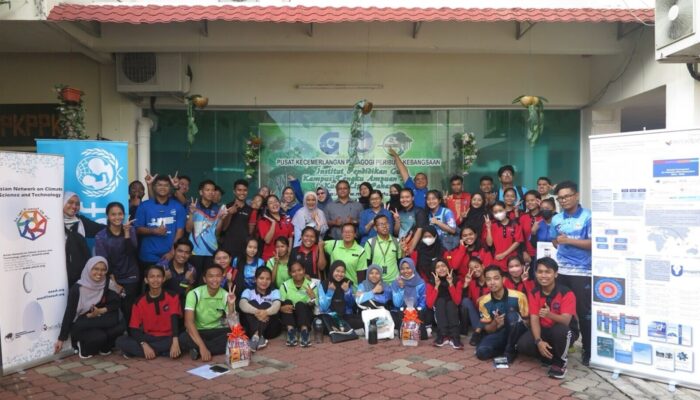
Over the years, we have witnessed a growing number of geological disasters due to climatic shifts. One such disaster is the landslide, and the main culprit of such occurrences can be attributed to intense rainfall coupled with high slope angles, especially in areas previously not expected to be susceptible. In this post we share a successful experience of ‘training of trainers’ in Mala ...[Read More]

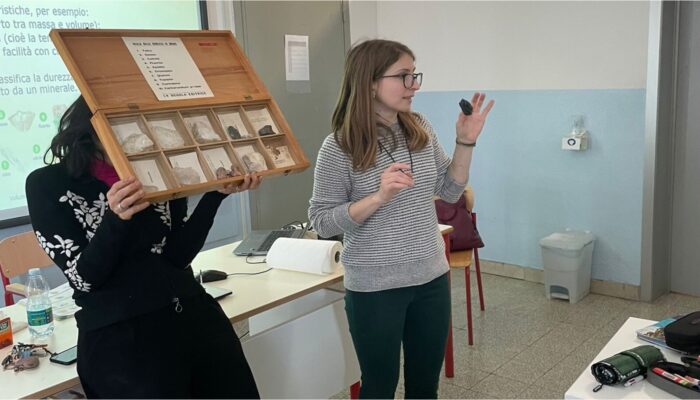
“My teacher is a volcanologist”- Valeria Cigala tells us about her journey from academia to middle school teaching

“My teacher is a volcanologist”- Valeria Cigala tells us about her journey from academia to middle school teaching

Valeria Cigala (Ph.D.) is a geoscientist by education and an expert in explosive volcanism and related hazards. She has been the Early Career Scientists Representative for the Natural Hazards Division of EGU from 2019 to 2022 and Editor-in-chief of our blog. Valeria is currently employed as a maths and science teacher at the middle school level in Italy. In this inspiring interview, she is sharing ...[Read More]

The 2023 Carnival disaster in São Paulo: an all time record for rainfall in Brazil

The 2023 Carnival disaster in São Paulo: an all time record for rainfall in Brazil

In February 2023, Brazil experienced its largest rainfall event on record, which devastated the northern coast of the state of São Paulo. This event caused landslides, floods, and numerous fatalities, making it even more tragic than previous disasters in the region, which already have been elaborated on in another blog post. The situation highlights the urgent need for effective emergency manageme ...[Read More]

Connecting the dots: the importance of recognising multi-hazard events in disaster reporting

Connecting the dots: the importance of recognising multi-hazard events in disaster reporting

In the past year, the world has witnessed many severe disasters caused by multiple hazards whose impacts overlapped in time and space. February this year, two severe earthquakes hit Syria and Turkey shortly after each other, followed by two more powerful earthquakes and over a hundred aftershocks in subsequent weeks [1,2]. The disaster caused over 48 thousand fatalities, and many people are still ...[Read More]