NH
Natural Hazards

Social impact of natural hazards

COVID-19 and natural hazards: a complex multi-risk scenario
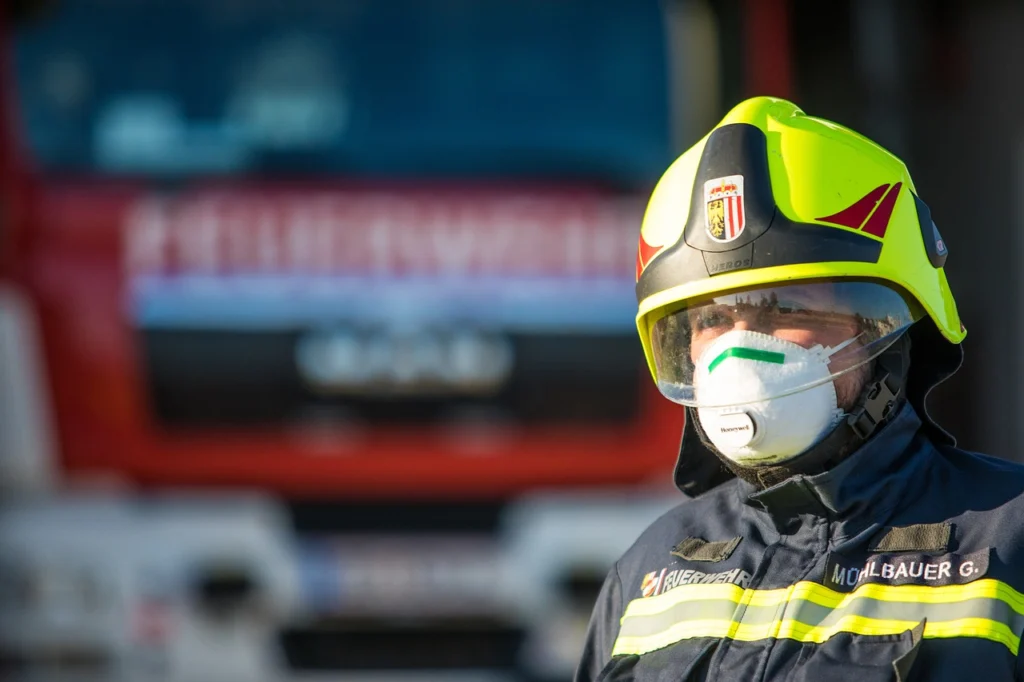
COVID-19 and natural hazards: a complex multi-risk scenario
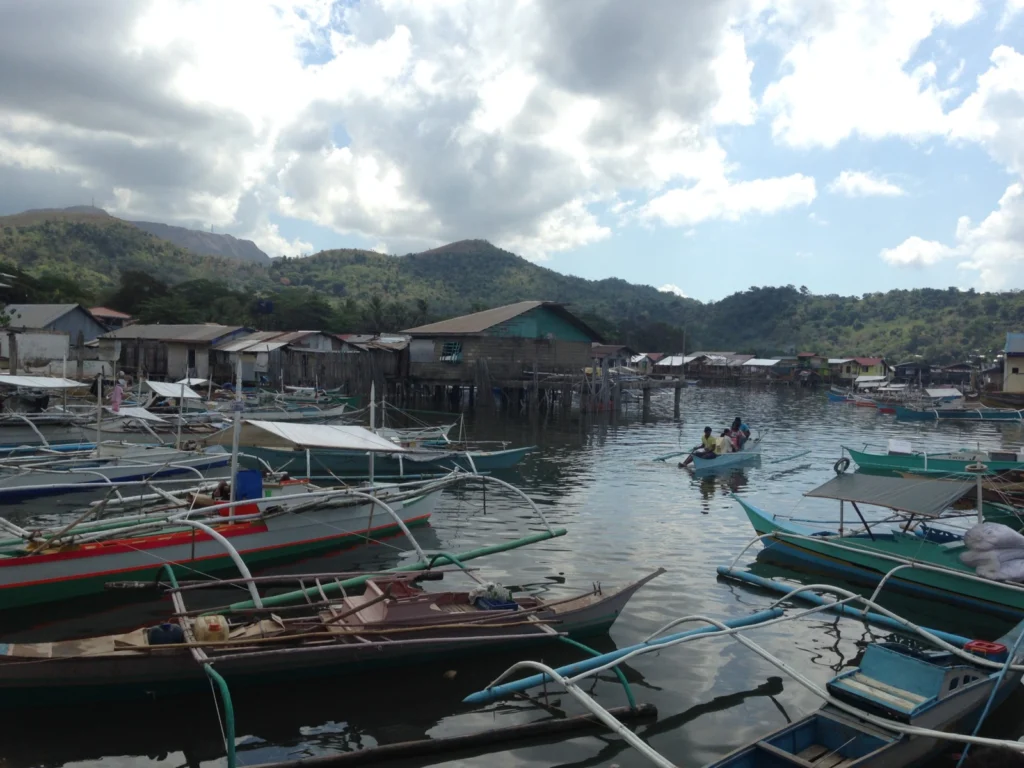
COVID-19 has been a disruptive ‘tsunami’ that most countries were not prepared to handle. The pandemic has been representing a global slow-onset long-lasting disaster that has drastically challenged all emergency management systems worldwide. The pandemic slow-onset disaster has been characterized by a prolonged emergency phase with varying intensity levels, and a cyclic behavior, where the interp ...[Read More]

Reducing housing vulnerability to natural hazards – Interview with Dr Eefje Hendriks

Reducing housing vulnerability to natural hazards – Interview with Dr Eefje Hendriks

The impact of natural hazards on vulnerable communities can be devastating, causing fatalities, damaging houses and livelihoods, and pushing people into poverty. These disasters make them even more vulnerable. A growing line of research identifies actions and tools to reduce vulnerability and make communities more resilient. An interesting and crucial part of this research investigates the role of ...[Read More]

Repression Without Resistance: Answering Natural Hazards Related Disasters

Repression Without Resistance: Answering Natural Hazards Related Disasters

Answering disasters triggered by natural hazards is a profoundly political process; who can tell us about this is Isabelle Desportes with her study cases of Ethiopia (the 2016 drought), Myanmar (cyclone Komen in 2015) and Zimbabwe (the 2016/2019 drought). Today, I have the pleasure of interviewing Dr Isabelle Desportes, a researcher who approaches disaster risk governance from the angle of politic ...[Read More]

Paving the way for climate resilience: what can we learn from the coronavirus pandemic?

Paving the way for climate resilience: what can we learn from the coronavirus pandemic?

Even though significant epidemics and pandemics have been recorded many times throughout human history, the Covid-19 pandemic demonstrated how vulnerable our societies still are. While the consequences of the pandemic are still ongoing, the global response so far can potentially offer some insights to support climate change response. Undoubtedly, the world is already experiencing a wide range of c ...[Read More]

Faults and earthquakes as friends and not foes

Faults and earthquakes as friends and not foes

The earthquakes’ occurrence on the planet Earth is largely considered synonymous with disasters and people generally perceive geological faults as a threat to life and belongings. However, there are exceptions since a small community of earthquake researchers relate the occurrence of earthquakes with the lithospheric plate interactions where movement on faults causes earthquakes. Therefore, ...[Read More]

In between Natural Hazards and Heritage, interview to Maria Bostenaru

In between Natural Hazards and Heritage, interview to Maria Bostenaru

In today’s interview, we talk with Dr Maria Bostenaru. Maria is an architecture engineer interested in the complex relationship between urban areas, natural hazards, and heritage. She tells us how she thinks that involving more humanities, which include, for example, the study of languages, literature, archaeology, together with information technology solutions, may result in new important a ...[Read More]

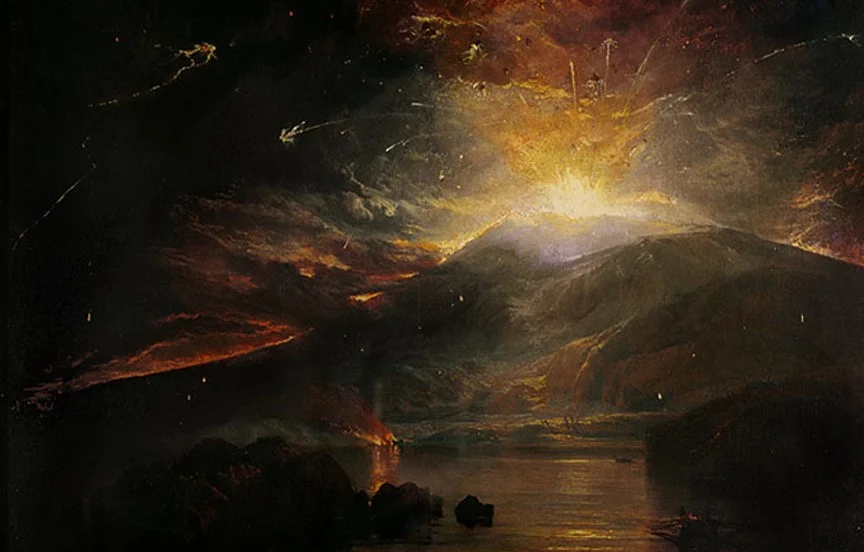
The bad, the good and the unpredictable: living with volcanoes / part 2

The bad, the good and the unpredictable: living with volcanoes          / part 2

Before continuing, if you haven’t read it yet, catch up with the first part of this blog article by clicking on this link. The good Living with volcanoes is not all bad. Volcanoes provide a wealth of natural resources in the form of building materials, hot springs, freshwater and fertile soil. However, there are more hidden aspects, which was the focus of a recent collaboration with an archa ...[Read More]

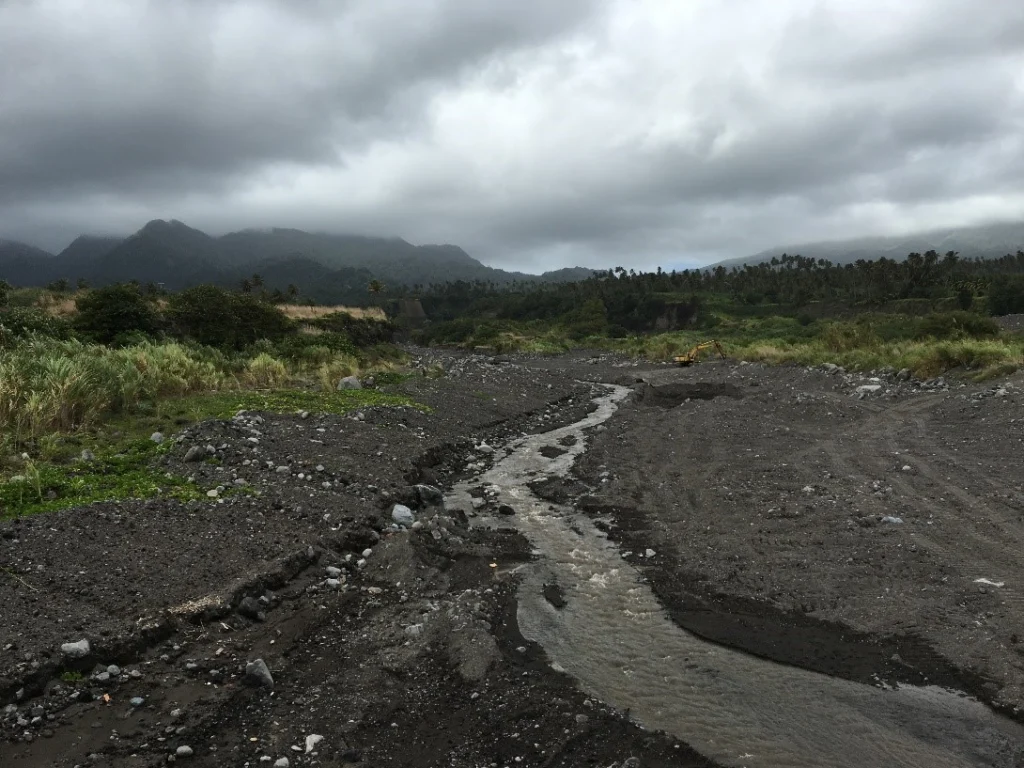
The bad, the good and the unpredictable: living with volcanoes / part 1

The bad, the good and the unpredictable: living with volcanoes     / part 1

Introduction Humans have existed and lived alongside volcanoes for as long as we have been on the planet. For some, this has been beneficial and often, in fact, we can see how indigenous knowledge finds a sustainable approach living with them. However, in some cases, societies cannot cope and are overwhelmed with volcanic eruptions.  There are many examples from archaeological studies dealing with ...[Read More]