Working on natural hazards brings you to places (physically and virtually) you might never have discovered otherwise. You look at the world while asking questions about places, situations, relationships, and interactions of the natural processes surrounding you, inspiring your scientific potential. The Natural hazard Early Career Scientists Team is interested in your natural hazard research and wo ...[Read More]
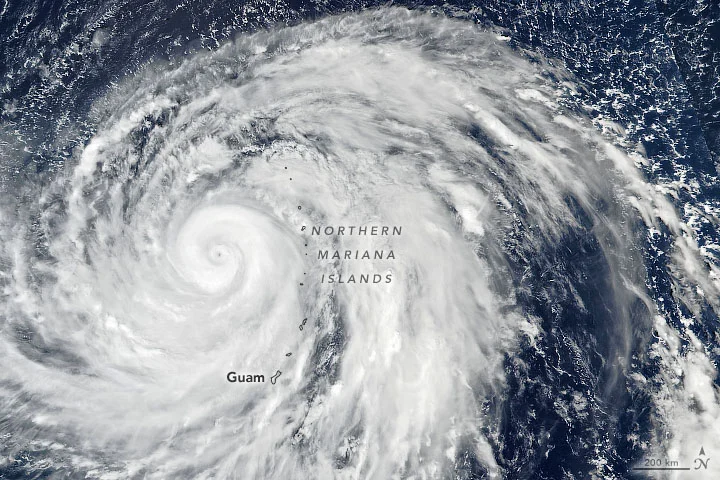
A coffee with Mr Fujitsuka: Typhoon Hagibis and the recovery process
Today I got the chance to grab a coffee with Mr Fujitsuka, an ex-officer of the Ministry of Environment of Japan in charge of disaster preparedness, management and recovery. The reason why I decided to interview Mr Fujitsuka is that he helped in first person to manage the recovery process during Typhoon Hagibis that paralyzed the eastern coast of Japan on the first week of October. But, before exp ...[Read More]
Where science and communication meet: the editorial world of scientific journals.
The ultimate scope of scientists is to publish their research advancement and share it with the scientific community and civil society. Researchers, whether coming from academia or research institutes, publish their results in peer-reviewed journals, that are usually highly technical and often incomprehensible to anyone except the major experts in the field. In some subjects is inevitable given th ...[Read More]
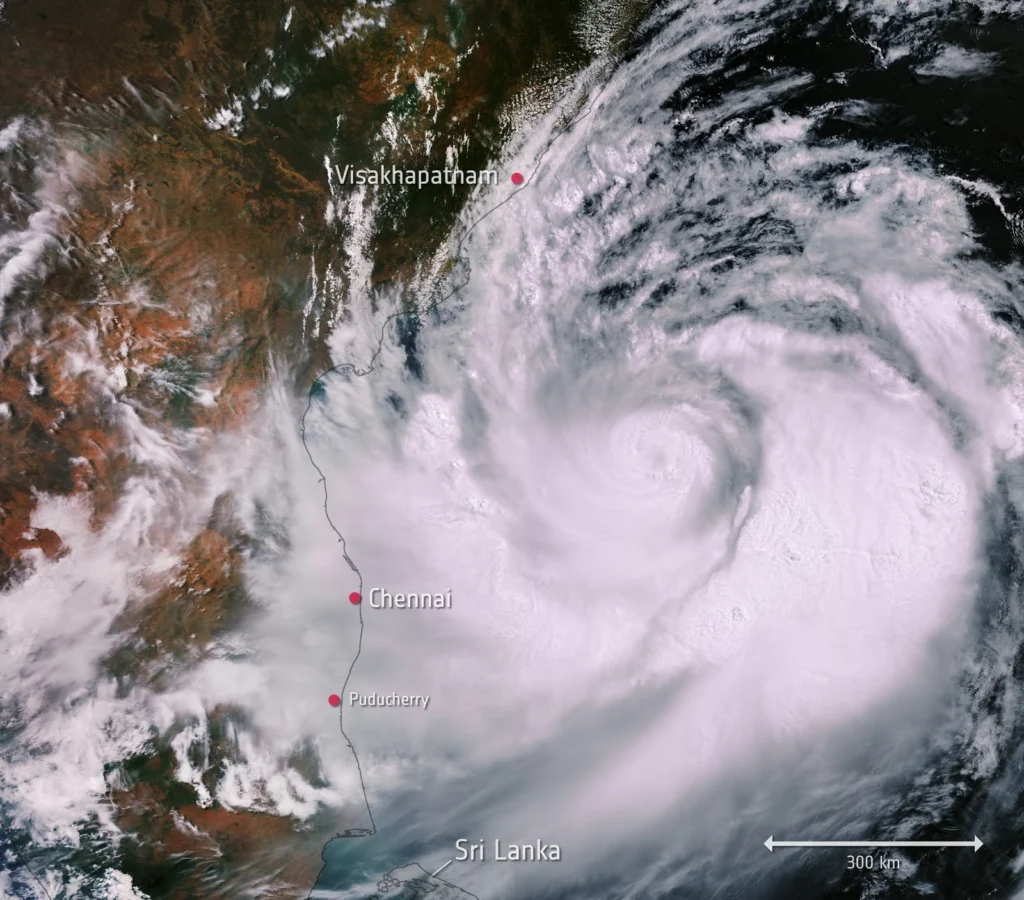
Cyclone Fani: A success in weather forecast and disaster preparedness
Hurricane, cyclone and typhoon are different terms for the same weather phenomenon: torrential rain and maximum sustained wind speeds (near centre) exceeding 119 km/hour (World Meteorological Organization https://public.wmo.int/en). The terminology depends on the region (e.g. in the western North Pacific, they are called typhoons; in the Bay of Bengal and the Arabian Sea they are named as cyclones ...[Read More]
Our audience on stage: new NhET blog column
The diffusion of social media such as Facebook, Twitter, etc. in addition to traditional blogging led to a diversification in the impact of science communication. However, as Eryn Brown and Chris Woolston wrote in Nature last January, blogs continue to be effective platforms for disseminating research into the world and increase the discovery of science. This is the reason why we believe our natur ...[Read More]
Job matchmaking in the water sector
Sooner or later in your career, you have turned lunch breaks, entire weekends or nights into a job search. Looking for a job can be like dating: it can either be an easy going match, quickly finding the right job position for you, or it might be a long and unsatisfying search over millions of websites. The climax arises if you want to use your past research expertise into something new, a multidis ...[Read More]
Combining geomorphology, geomorphometry and natural hazards research: the way forward
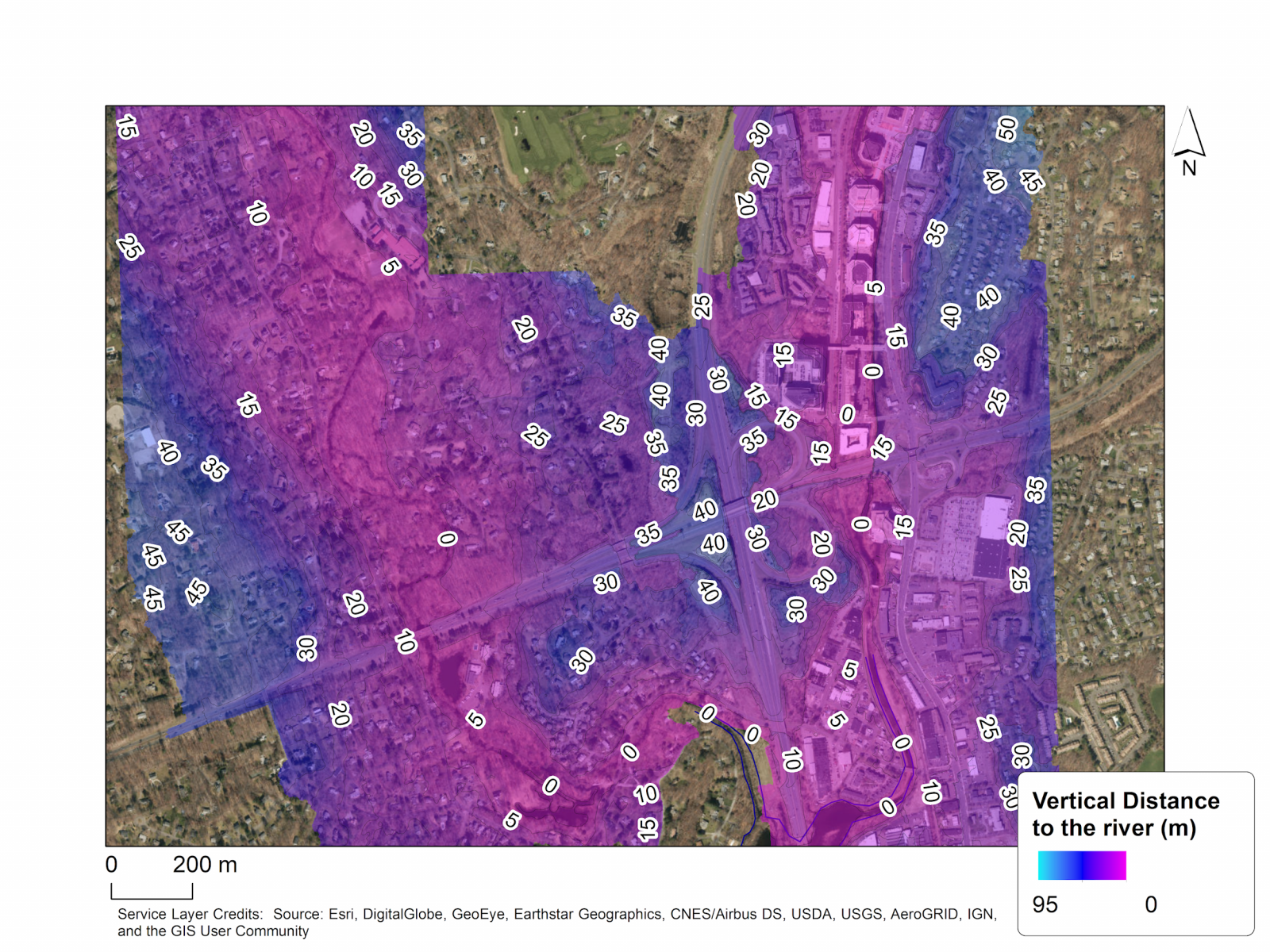
Today I have the honour to introduce a friend and a brilliant scientist that recently won the 2019 Arne Richter Award for Outstanding Early Career Scientists of the EGU, Dr Giulia Sofia. Dr Sofia is currently Assistant Research Professor at the University of Connecticut (USA) in the Hydrometeorology and Hydrologic Remote Sensing group. She received a B.S. and M.S. in Forestry Science, and PhD (201 ...[Read More]
Mapping population dynamics to advance Disaster Risk Management
Today we have the honour to introduce Sérgio Freire as our guest. Sérgio Freire is a Geographer, currently working as Scientific/Technical Project Manager at the European Commission’s Joint Research Centre (JRC), Directorate E. Space, Security and Migration, Disaster Risk Management Unit, based in Ispra, Italy. His main activities focus on developing applications of the JRC’s Global Human S ...[Read More]
The emergency of disaster emergency planning
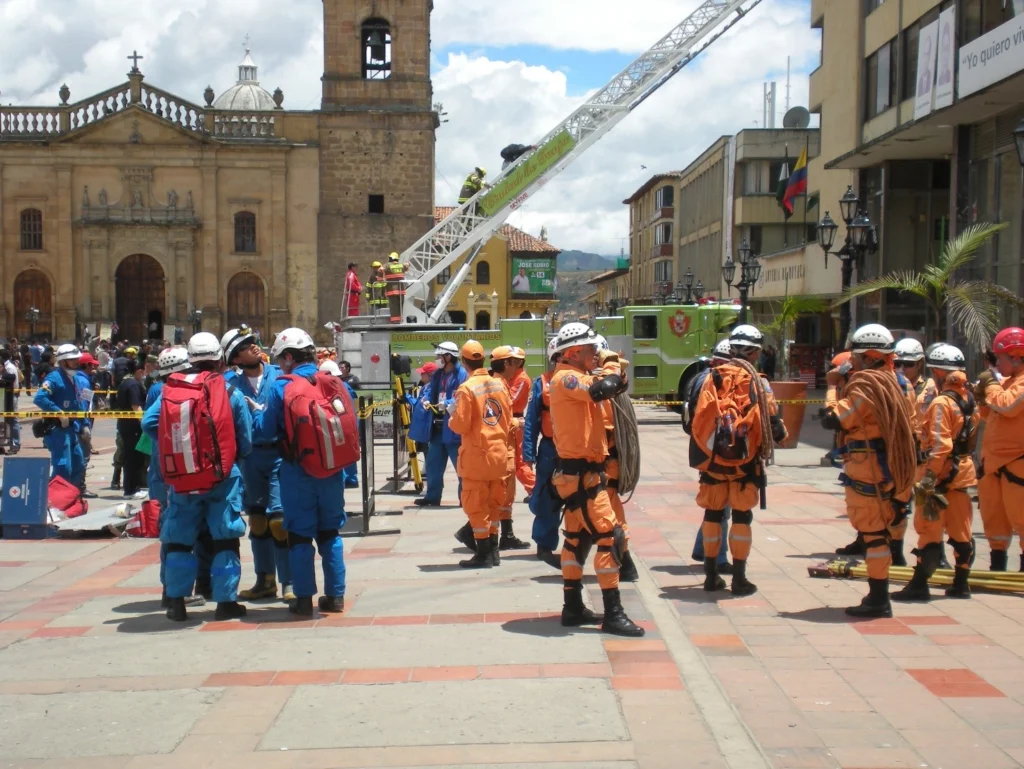
Today I have the honour to introduce Prof. David Alexander as our guest. David is Professor of Risk and Disaster Reduction at University College London (UK). His expertise comprises holistic aspects of disaster risk reduction and practical matters in emergency planning and management. He has also worked as Scientific Director of the Advanced School of Civil Protection of the regional governmen ...[Read More]