
NH
Natural Hazards

Hedieh Soltanpour

Hedieh is a multidisciplinary geoscientist with a background in physical geography, geology, hydrology, natural hazards and spatial analysis (GIS). She has studied and conducted research in Iran, Austria and France. Her PhD focused on modelling multi-hazard interactions in karst environments, including the spatial relationships between linked hazards such as flooding and sinkhole formation. She is actively involved in science communication at EGU, where she serves as Editor-in-Chief of the Natural Hazards Division Blog. Her post “If a resilient city had a face: it might look like Kagoshima” won the panel vote for Best Division Blog 2025. Outside geoscience, she enjoys Persian calligraphy, learning languages and sport.

El Niño shouldn’t stay in the classroom: Why everyone should understand one of Earth’s most influential climate patterns
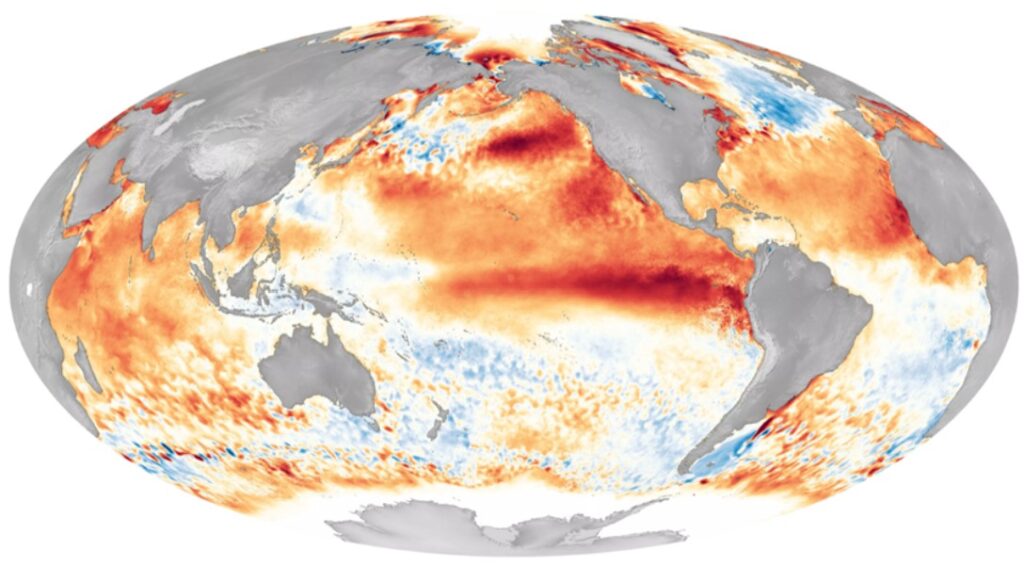
El Niño shouldn’t stay in the classroom: Why everyone should understand one of Earth’s most influential climate patterns
Floods in one region. Droughts in another. Wildfires intensifying across already dry landscapes, while elsewhere intense rainfall triggers landslides and infrastructure disruption. At first glance, these hazard events may seem entirely unrelated. After all, what could a flood on one side of the world possibly have to do with a drought on the other? Yet many of these seemingly disconnected events c ...[Read More]

Multi-Risk Forecasting: Operational Reality or Scientific Ambition?

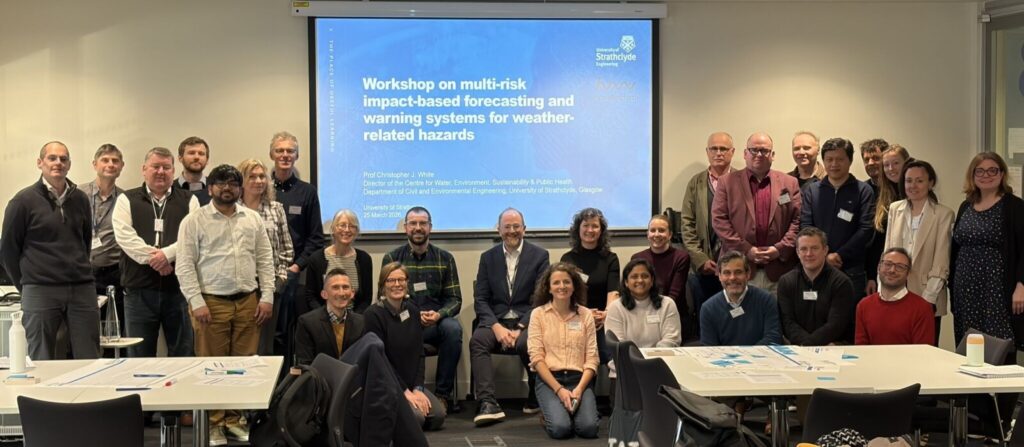
Reflections from a workshop on multi-risk impact-based forecasting and warning systems for weather-related hazards.

  Reflections from a workshop on multi-risk impact-based forecasting and warning systems for weather-related hazards.   With mounting evidence that hazards rarely occur in isolation, the question is no longer whether multi-risk impact-based forecasting and warning systems are needed, but how to build them [1]. Yet, moving beyond single-hazard thinking towards genuinely multi-hazard and t ...[Read More]

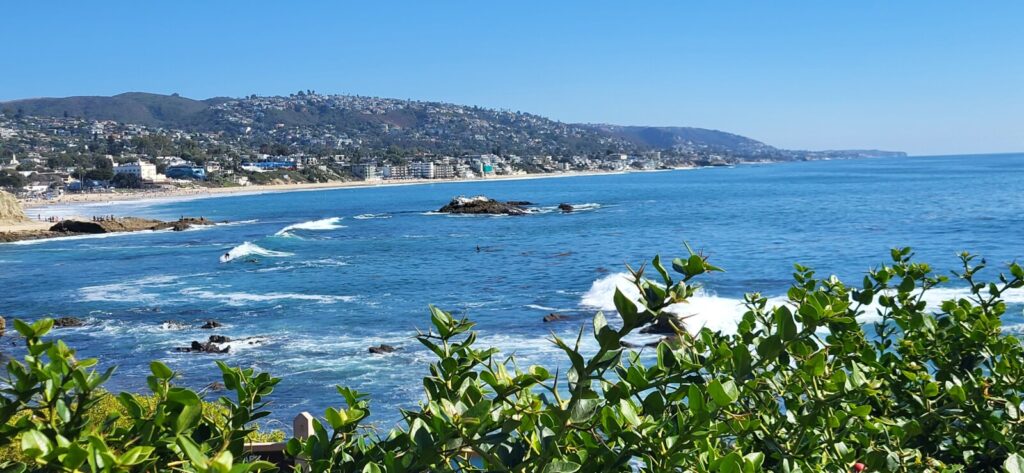
If a Resilient City Had a Face: It Might Look Like Kagoshima

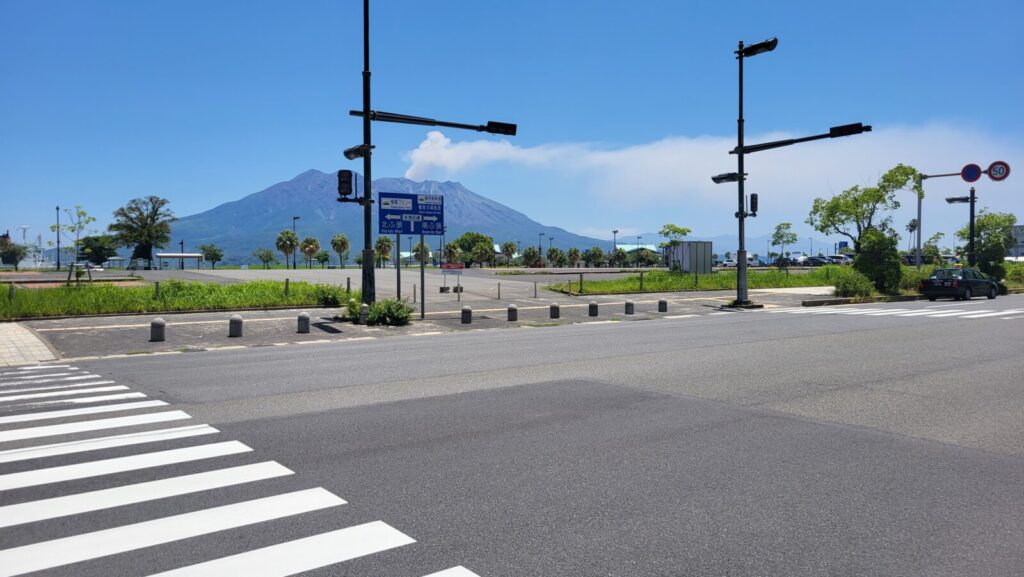
If a Resilient City Had a Face:  It Might Look Like Kagoshima

As natural hazard scientists, we often emphasise the concept of exposure – how much people, infrastructure, and ecosystems are in harm’s way when close to natural hazard sources (e.g., floodplains, volcanoes, or fault lines). The closer you are, the higher the risk. Therefore, one of the main goals in natural risk assessment is to reduce exposure whenever possible. We advocate for informed plannin ...[Read More]

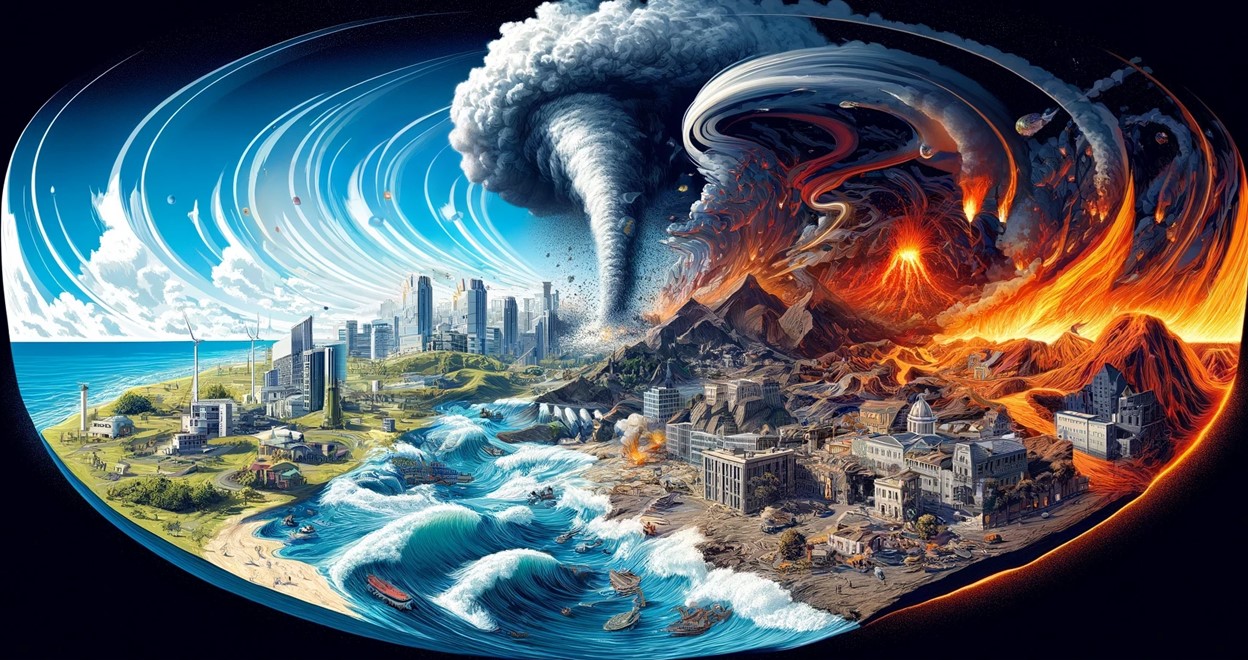
The Geography of Multi-Hazards: Exploring Landscapes Prone to Hazard Cascades

The Geography of Multi-Hazards: Exploring Landscapes Prone to Hazard Cascades

Multi-hazards are “a selection of major hazards that a country faces, and specific contexts where hazards occur simultaneously, cascadingly, and accumulatively considering the interrelationships among them”, based on the UNSDRR definition [7]. Yet, this definition raises two key questions: Where are these specific contexts located, and what characteristics make them susceptible to intersecting haz ...[Read More]

Evolving multi-hazard paradigms in a nutshell

Evolving multi-hazard paradigms in a nutshell

Understanding multi-hazard approaches is crucial in an era of escalating natural hazards leading to disastrous impacts on Earth’s citizens. Triggered by the increasing frequency and severity of these events, this brief post provides a concise yet comprehensive overview of evolving paradigms in multi-hazard research and management. By exploring definitions, historical developments, and curren ...[Read More]

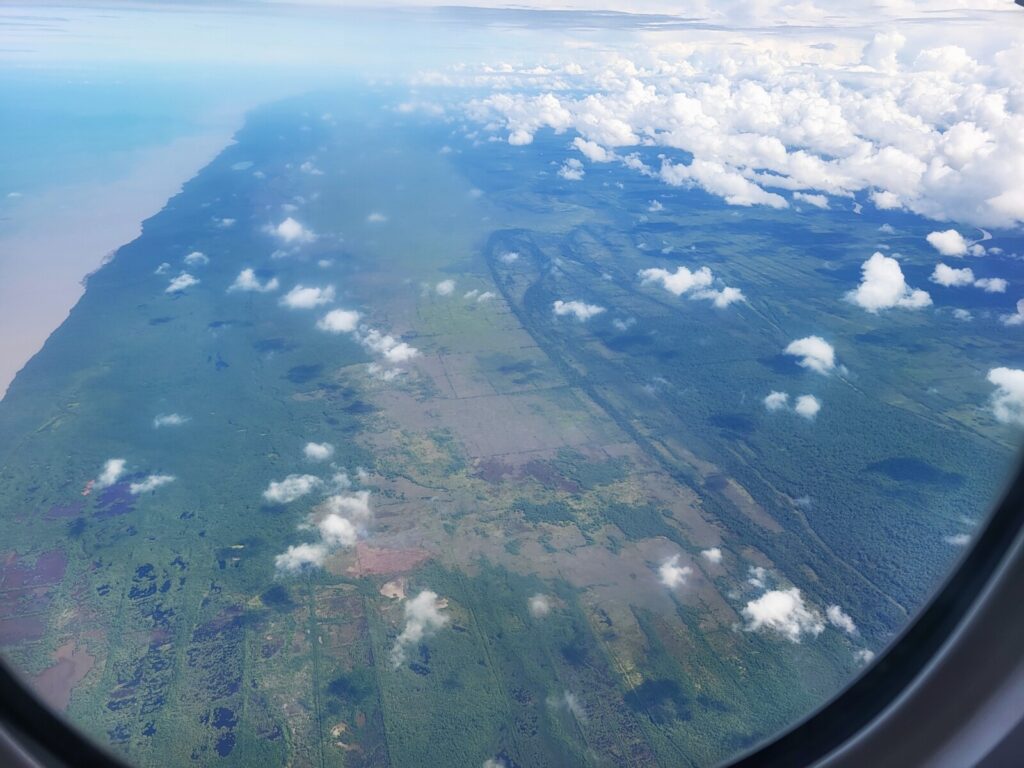
Earth Citizens and Natural Hazards: a few words from the perspective of our environment, the inhabited planet, Earth

Earth Citizens and Natural Hazards: a few words from the perspective of our environment, the inhabited planet, Earth

In January 2023, I visited the Amazon Forest in Suriname. During my visit, I met indigenous people known as the Saramaccers, a Maroon tribe residing in the heart of the Amazon Forest. I found it fascinating that the Saramaccers consider themselves an integral part of nature. Their motto is ‘If you respect nature, nature will be your friend and stand by you’. Nature extends a helping ha ...[Read More]