Geodynamic data-driven modelling: bridging the gap between observations and numerical models
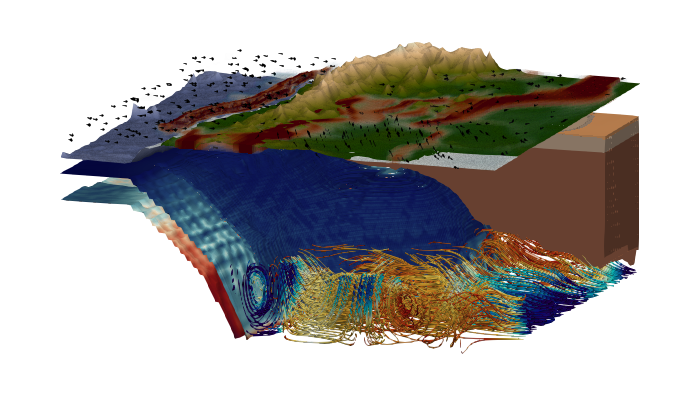

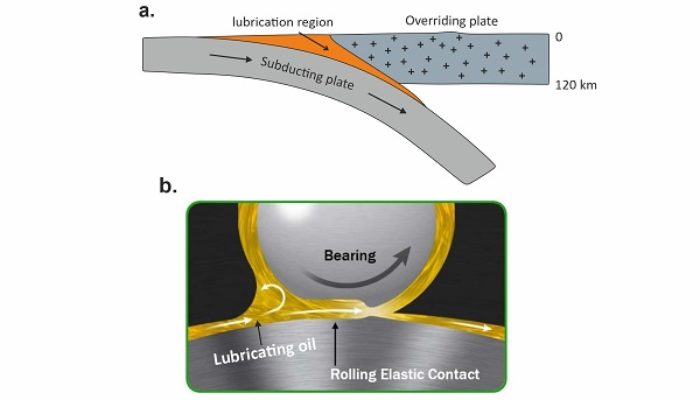
Plate interface lubrication is essential for stabilization and continuation of subduction process for million of years. The magnitude of plate interface lubrication determines transfer of stress between two converging plates, topography of mountain belts, transportation of volatiles to the mantle, and return flow of high to ultra-high pressure rocks to the earth’s surface. In this week’s blog, I ...[Read More]
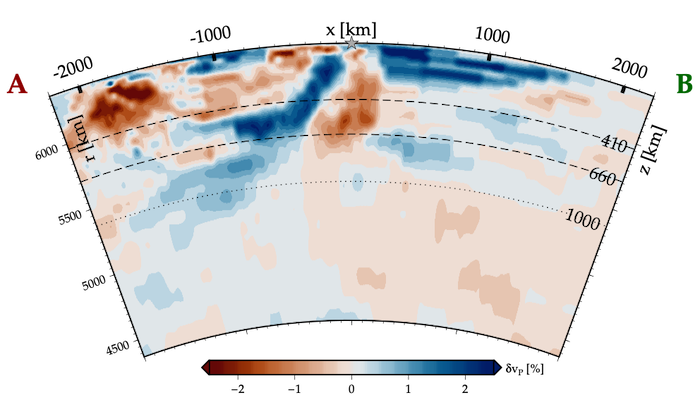
Science is all about discovering new things. But how do we make these discoveries, adding to the ever growing pantheon of knowledge? This week, we sit with one of our editors Antoniette Greta Grima, a Postdoctoral Fellow from the University of Texas at Austin, to understand what it takes to discover a new slab process. Thanks for sitting down with us this week! First things first, which subductio ...[Read More]

Fausto is very much preoccupied with subduction zones. The omphalos of his working life, or better yet, his paltry existence, he lacklusterly focuses on a single subduction zone. A proclivity for narrow-mindedness, surely. Yet there are ever so many to rejoice in. He thus warbles: What is your favourite subduction zone? Dear Fausto, I can only think of that one little special place deserving the p ...[Read More]

As a new coping mechanism with reality, Sascha has been digging into some science history and asked: How did scientists discover plate tectonics? Dear Sascha, I do enjoy a good walk on the memory lane of scientific discoveries. You might know by now that great insight is gained when we look at data with fresh eyes. Hence, lots of advances in certain narrow scientific fields come from outsiders. In ...[Read More]
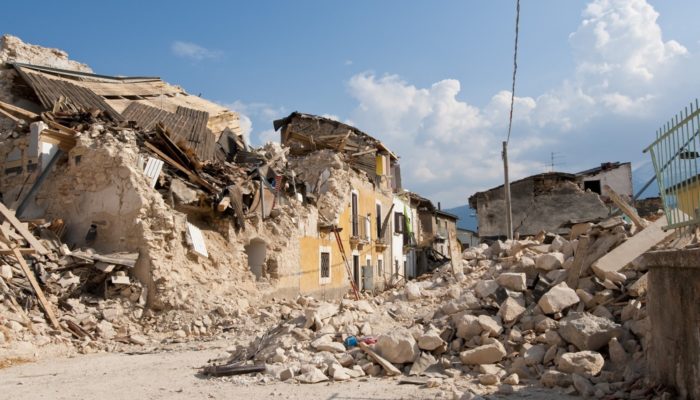
Though giant earthquakes are disastrous, they provide essential information to investigate earthquake physics. In this week’s news and views, Thyagarajulu Gollapalli, a PhD student jointly from the Monash University and the Indian Institute of Technology, Bombay, discusses our present understanding of such big earthquakes and how advanced numerical models will help to get a more precise picture of ...[Read More]
Despite workshops and seminars and conference sessions and Zoom colloquia, of which Geraldine has attended many, one big question remains in geophysics: What drives plate tectonics? Dear Geraldine, Slab pull? Ridge push? Mantle drag? Continental keels? Super plumes? Mantle wind? Expanding Earth? God? Nope, there is only one explanation that truly fits the data and passes the common sense test: The ...[Read More]
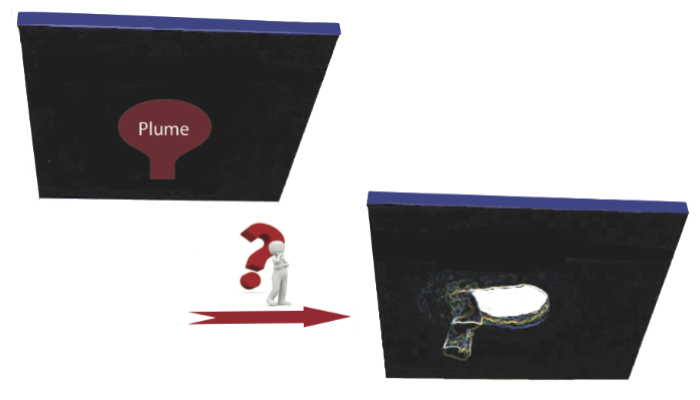
This week in News & Views, dr. Marzieh Baes from GFZ Potsdam introduces us to the mechanisms behind subduction initiation. Moreover, she discusses the different types of subduction initiation in reaction to plume-lithosphere interaction that she observed in her recent 3-d numerical modelling study. Possible scenarios of subduction initiation According to plate tectonics, oceanic plates are for ...[Read More]
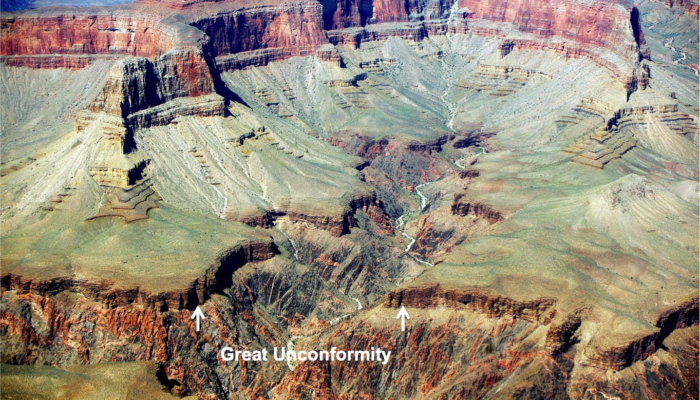
Plate tectonics is a key geological process on Earth, shaping its surface, and making it unique among the planets in the Solar System. Yet, how plate tectonics emerged and which factors controlled its evolution remain controversial. The recently published paper in Nature by Sobolev and Brown suggests new ideas to solve this problem…. What makes plate tectonics possible on contemporary Earth? It is ...[Read More]

Subduction zones are ubiquitous features on Earth, and an integral part of plate tectonics. They are known to have a very important role in modulating climate on Earth, and are believed to have played an essential part in making the Earth’s surface habitable, a role that extends to present-day. This week, Antoniette Greta Grima writes about the ongoing debate on how subduction zones form and persi ...[Read More]