GD
Geodynamics

News & Views

Ada Lovelace Poster Awardees

Ada Lovelace Poster Awardees

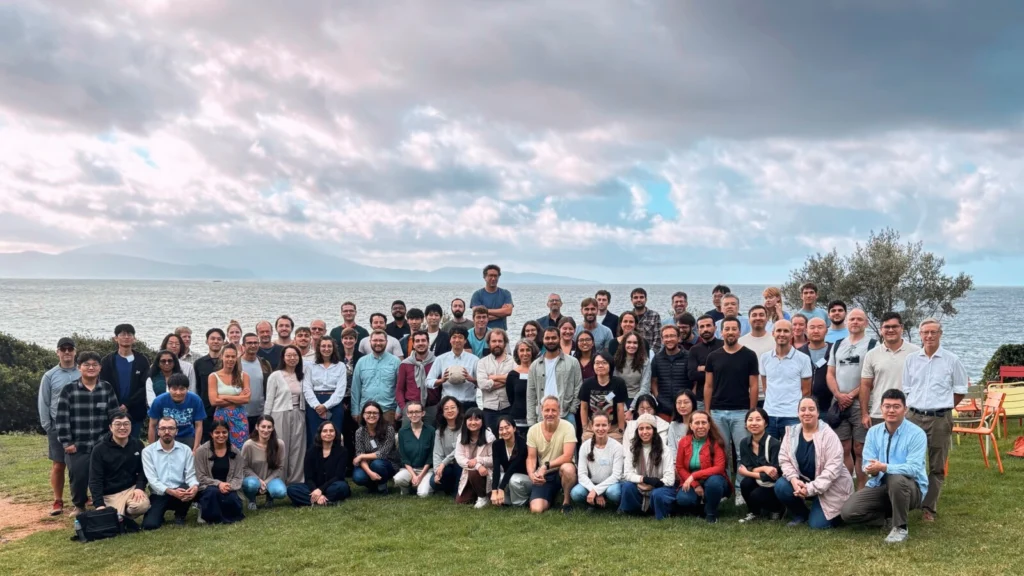
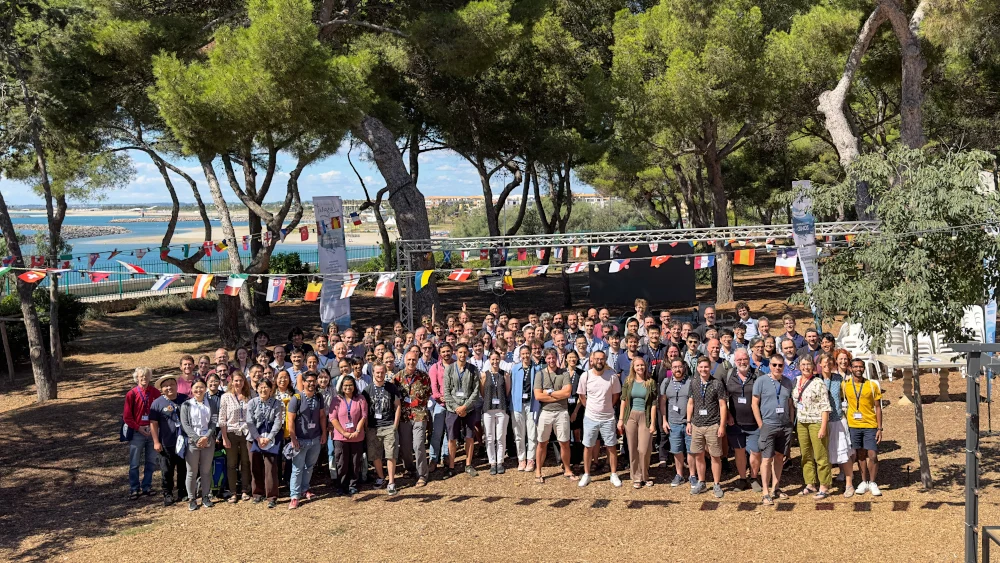
Ada Lovelace Poster Awardees A new edition of the Ada Lovelace workshop took place this year in Sète (1-6 septembre 2024), in the exceptional setting of the Domaine du Lazaret by the Mediterranean Sea. Sincere thanks go to Fanny Garel, Catherine Thoraval, and all the Montpellier team for the excellent organization of this event. This worshop provided an opportunity for the community of mantle and ...[Read More]

What’s the role of hotspot and oceanic transform faults at ultraslow spreading ridge?

What’s the role of hotspot and oceanic transform faults at ultraslow spreading ridge?

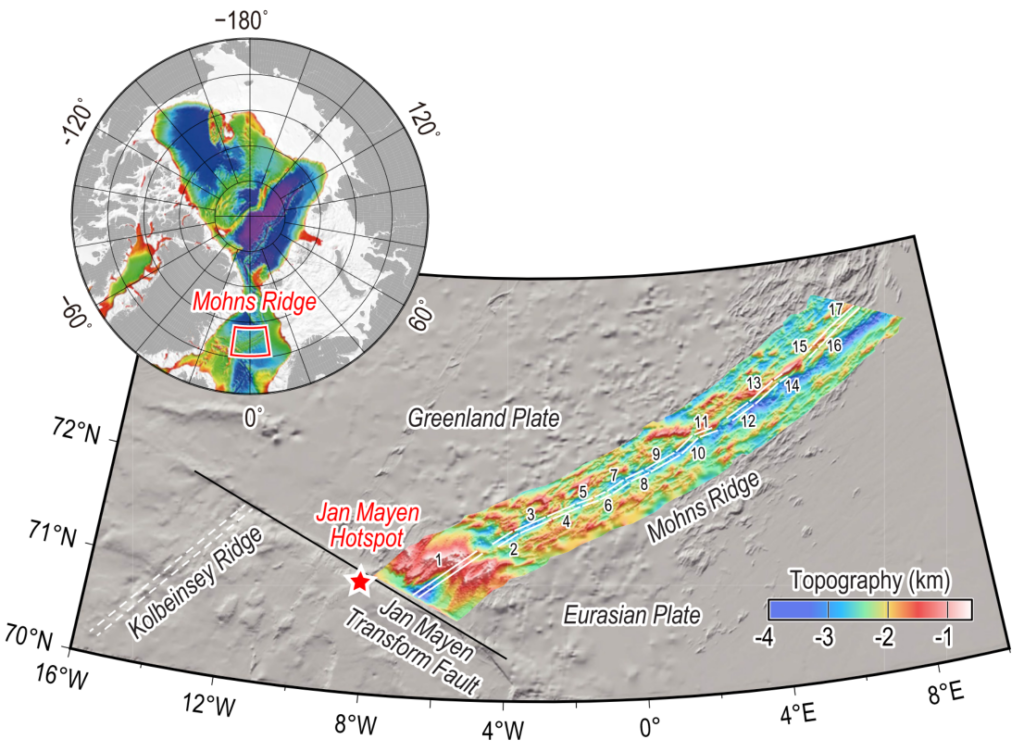
  Mid-ocean ridges (MOR) and hotspots are two types of magmatic activity occurring in the ocean. The MORs are typically associated with another tectonic feature—oceanic transform faults. While numerous studies have focused on the interactions within MORs, hotspots, and transform faults, there has been limited research on cases where a hotspot and a transform fault are located at the same end ...[Read More]

Creativity and geology

Creativity and geology

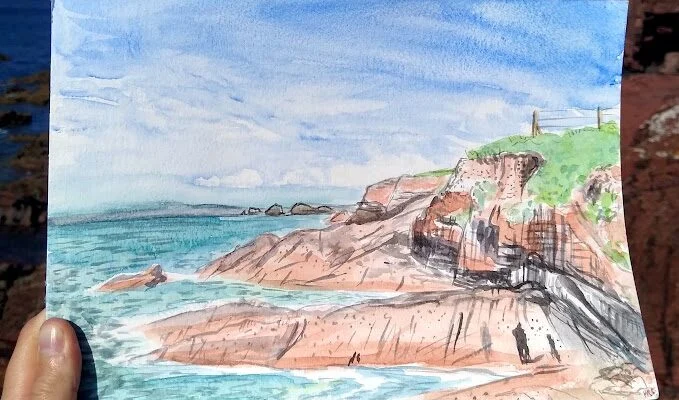
Phoebe Sleath, a PhD student at the University of Aberdeen, guides us through the intersection of art and geology. She shares how she got into watercolour field sketching, how it became a valuable companion during her PhD journey, and how it serves as a powerful tool for communicating science Why do you like doing geoscience? Throughout my undergrad degree, I would have said: because I like mounta ...[Read More]

A journey to the centre of plate tectonics and mantle convection

A journey to the centre of plate tectonics and mantle convection

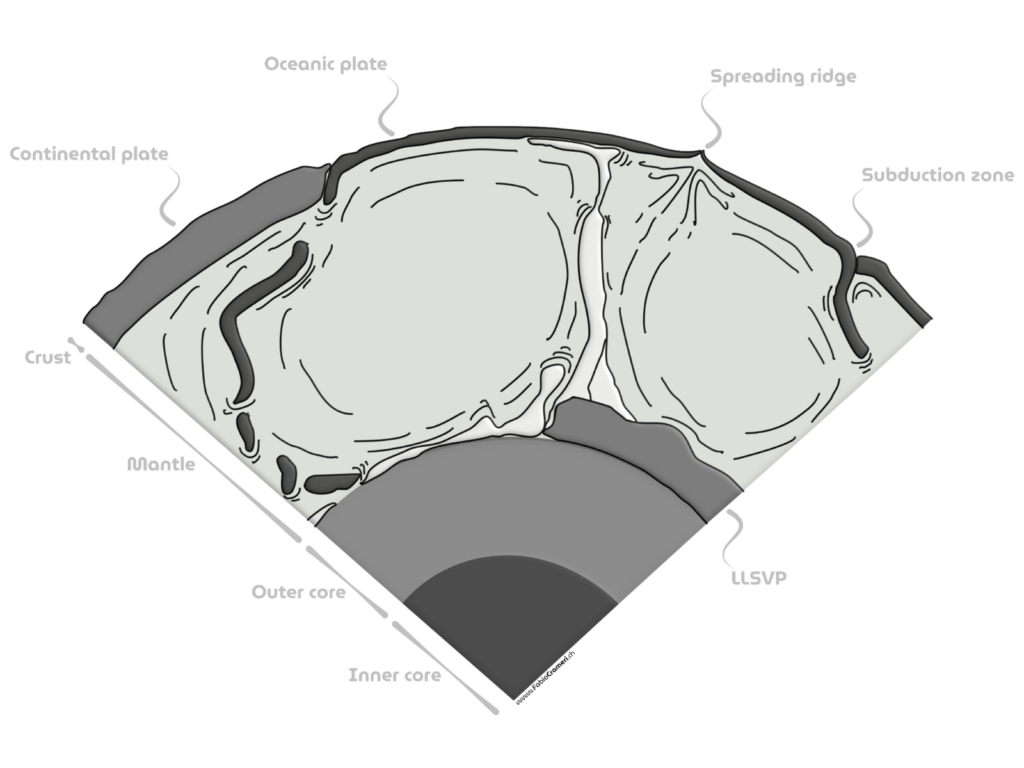
“Dynamics of Plate Tectonics and Mantle Convection,” is edited by Dr. João C. Duarte and published by Elsevier. The book brings together contributions from more than 40 renowned authors in the fields of geology, geodynamics, tectonics, petrology and geophysics. It offers the unique authors’ perspective on the interconnected processes of plate tectonics and mantle convection and their v ...[Read More]

Modeling the Early Earth: Idealization and its Aims II

Modeling the Early Earth: Idealization and its Aims II

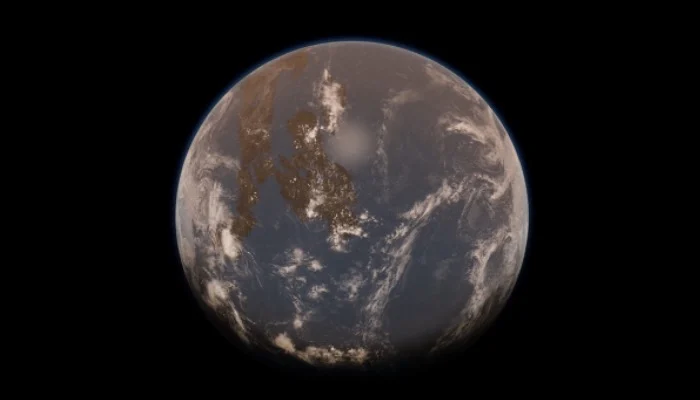
This week we have the second part of Junjie Dong’s insightful blog on modeling the early Earth. Following the discussion (“Modeling the Early Earth: Idealization and its Aims I”) about the major early Earth questions and challenges in modeling early Earth, Junjie now explores  the imprtance of modeling as a scientific endeavor. He presents how one could more effectively model the ...[Read More]

An Arctic enigma: Can a single plume explain a massive and long-lived ancient volcanic eruption?

An Arctic enigma: Can a single plume explain a massive and long-lived ancient volcanic eruption?

  Across the Arctic lies evidence for a massive past volcanic event, called the High Arctic Large Igneous Province (HALIP). This ancient volcanic event is particularly unusual in that it appears to have lasted for over 50 million years. Could a single deep-seated mantle plume cause such wide-spread and long-lived volcanism? In a recent study published in the journal G-cubed (Heyn et al., 2024 ...[Read More]

Modeling the Early Earth: Idealization and its Aims I

Modeling the Early Earth: Idealization and its Aims I

The question of how we came to be is closely tied with how the Earth became what it now is. What was the early Earth like? How did it evolve to become a habitable world? Given a fragmentary rock record, how can we investigate the early Earth and its evolution? Dr. Junjie Dong from Caltech writes about modeling the early Earth in a two-part blog.  For the first part, he introduces the approach to e ...[Read More]

The uncertain tomographic lenses

The uncertain tomographic lenses

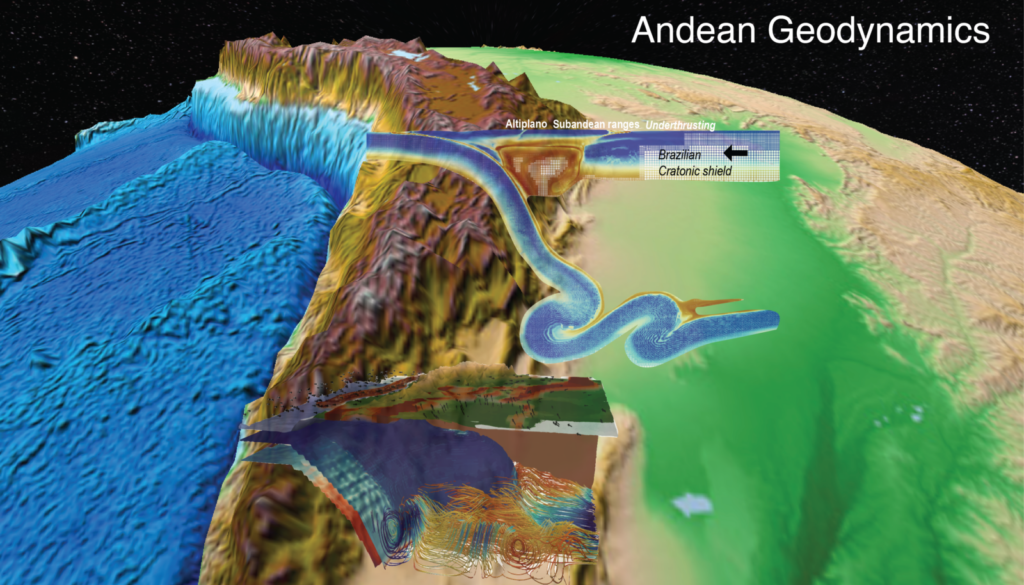
Geodynamicists often try to answer scientific questions related to the Earth interior, but direct observations of such depths are rather limited–unless you are character in a Jules Verne’s novel or a prominent scientist in the movie The Core–. A way to deal with this issue is to rely on indirect methods, with seismic tomography being one of the most widely used by geoscientists. Howeve ...[Read More]