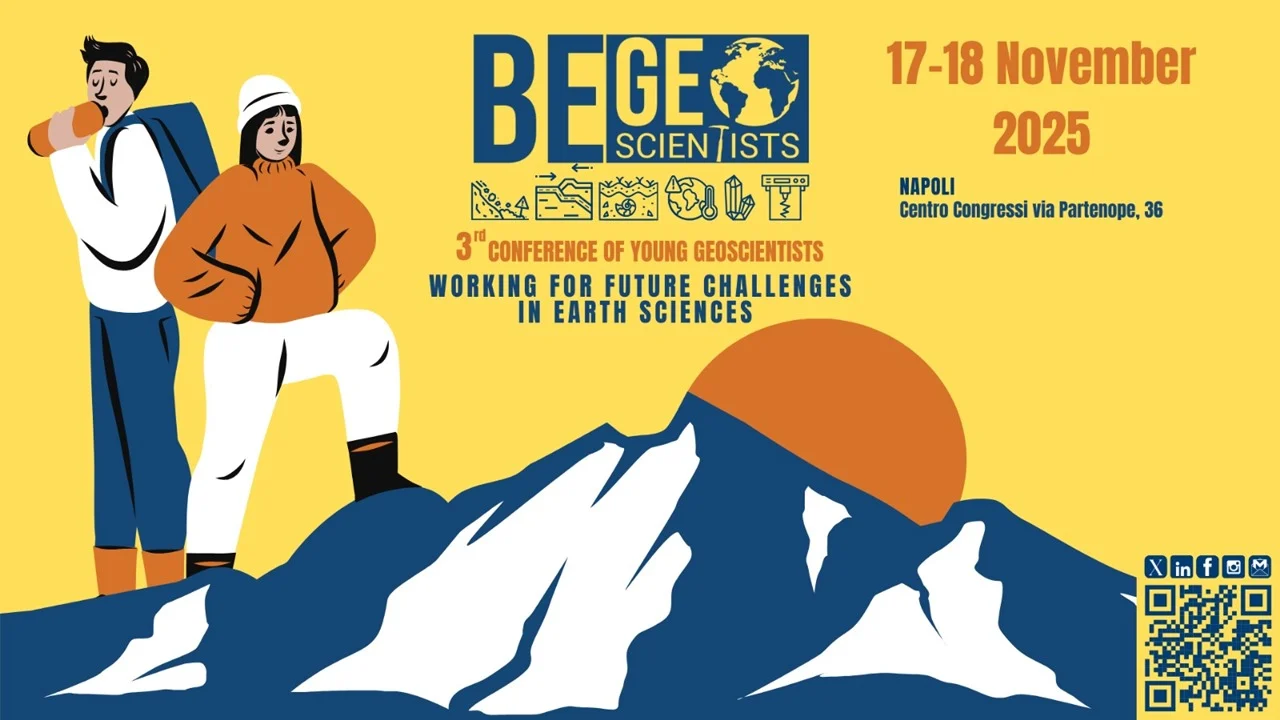
Born at the feet of active volcanoes, a group of young Earth scientists works for connecting colleagues in Italy and around the globe. One of the main challenges faced by those approaching the academic career for the first time is creating a network of known people with whom sharing scientific knowledge and maybe lay the foundations for new collaborations. Conferences are definitely the perfect pl ...[Read More]
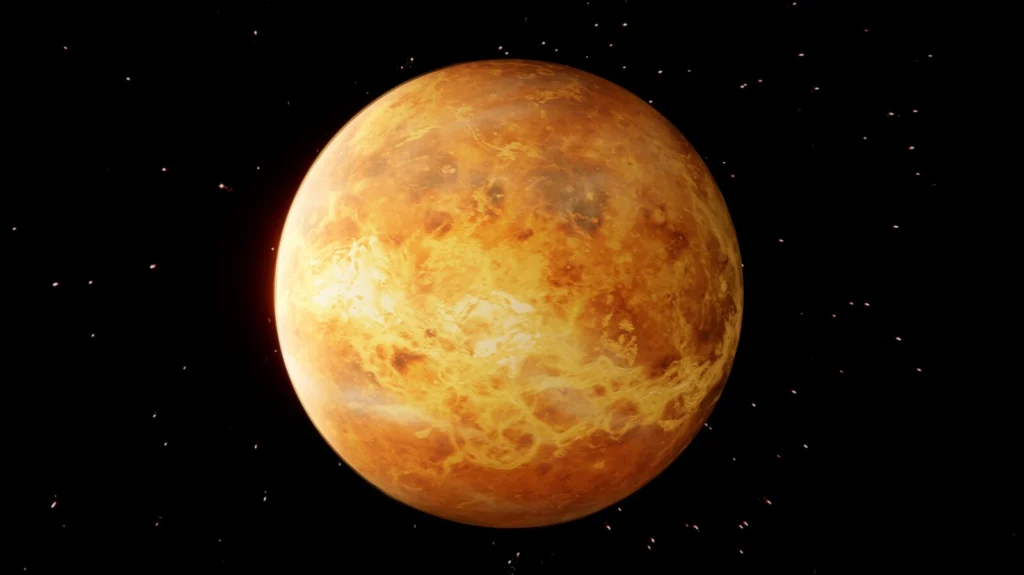
A whole mantle dynamical framework for Venus
Geodynamicists have long grappled with the complexities of Earth’s mantle dynamics—modeling Venus’ interior adds an extra layer of challenge without the benefit of plate tectonics! This week in News & Views, Madeleine Kerr, a PhD candidate from the University of California, San Diego, explores how numerical modeling can shed light on mantle dynamics and the evolution of Earth’s eni ...[Read More]
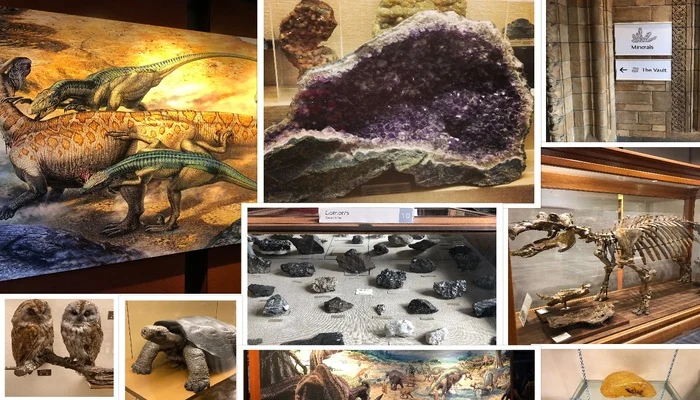
Geoscience Wonders: My Favourite Natural History Museums in Europe
Have you ever wondered how to combine adventure with a deep dive into the secrets of our planet’s ancient past? Well, in this week’s blog, we are on a mission to take you on a journey to some of my favourite Natural History Museums around Europe. And who knows, maybe these museums might find a special place on your next travel bucket list! Travelling makes us wiser and richer! Getting the opportun ...[Read More]
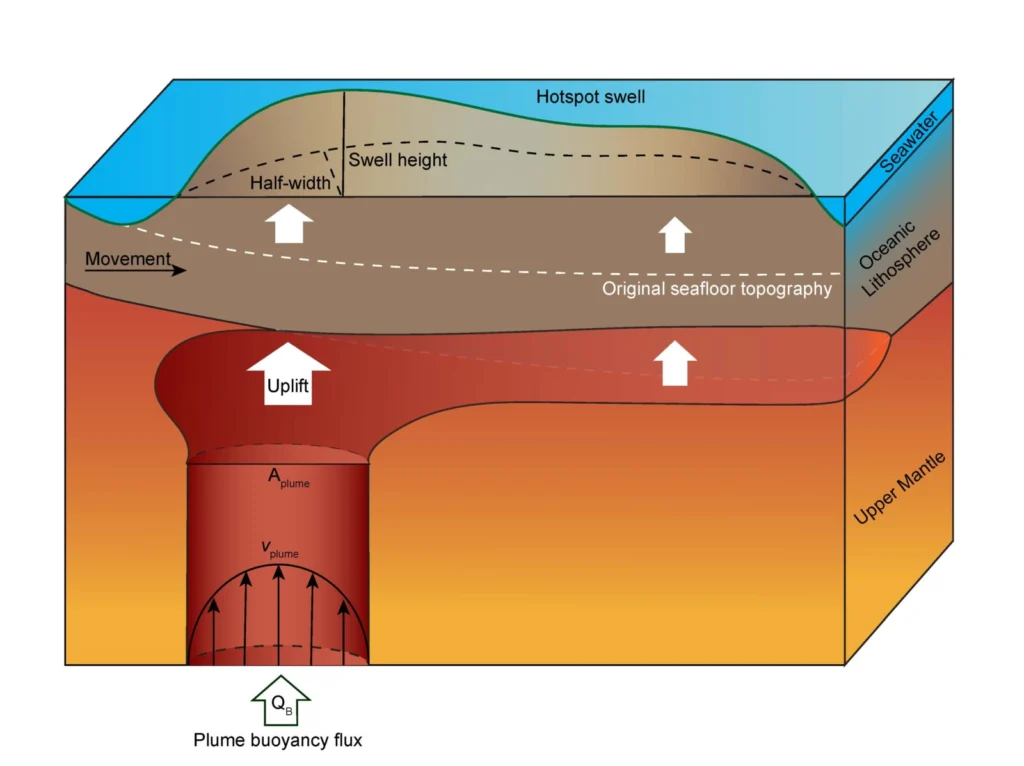
New Insights into Plume Buoyancy Fluxes and Dynamic Topography from Numerical Modelling
Figure 1. Illustration of the hotspot swell and plume buoyancy flux. White dashed line shows the original seafloor topography due to half-space cooling. Dark green line represents the surface dynamic topography caused by the dynamic uplift of the plume. One of the main surface expressions of dynamic topography are hotpot swells formed by mantle plumes. In this week’s post, Ziqi Ma, PhD candi ...[Read More]
Queer Quarterly: Allyship in the LGBTQIA+ community – what it is, how you can help
Queer Quarterly is the blog series of the EGU pride group, a LGBTQIA+ team of geoscientists engaged to uphold and improve the rights of the community in the EGU organization. This week’s post is dedicated to allyship: how people outside of the community can support our efforts. The term LGBTQIA+ is the abbreviation for Lesbian, Gay, Bisexual, Transgender, Queer, Intersex, and Asexual. The addition ...[Read More]
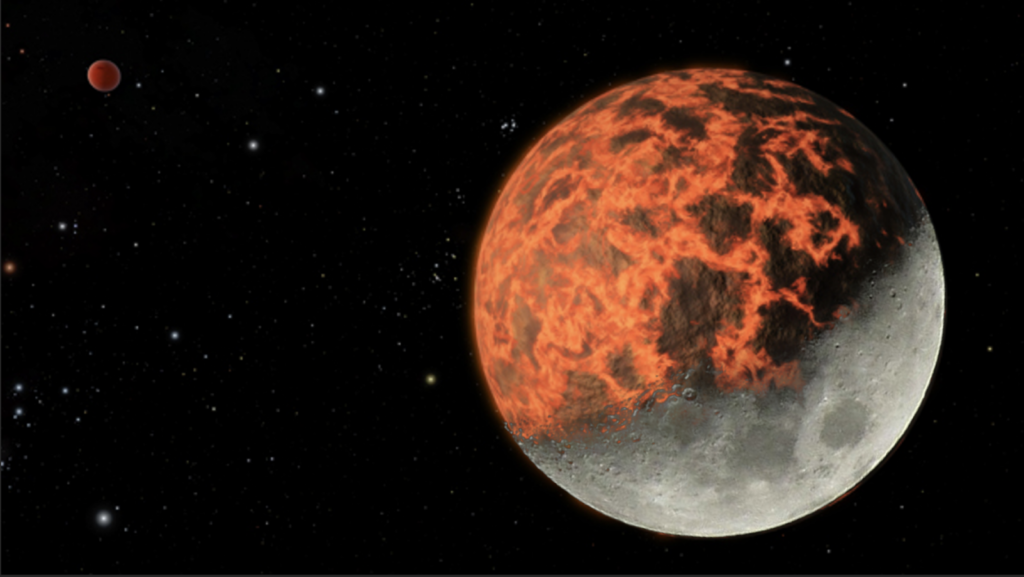
How Hot our Moon Can Get: Mapping Radioactive Elements and Thermal State of the Lunar Interior
Geochemists and geophysicists, even with their favorite tools, have often scratched their heads while probing Earth’s deep interior—one can only imagine the challenges while applying those techniques to the Moon! This week in News & Views, Arkadeep Roy, a PhD candidate from the University of Arizona demonstrates how the intersection of experimental petrology, geochemistry, and geophysic ...[Read More]
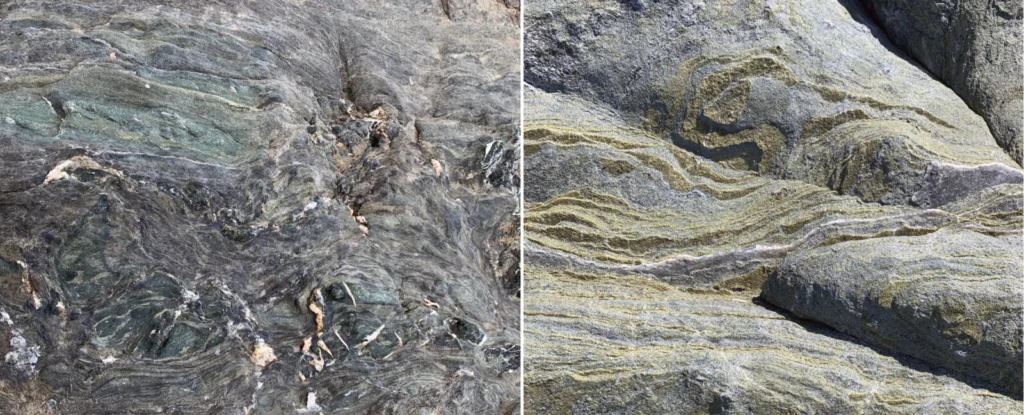
A New Look at the Rheology of Deep Subduction Zones
Subduction zones are dynamic regions where intense geological processes like earthquakes, volcanic eruptions, and the recycling of oceanic crust are constantly at play. A key factor that influences the behavior of these zones is *interface rheology*—the strength and viscosity of the boundary (the interface) between the subducting and overriding plates. Understanding this interface is crucial for i ...[Read More]
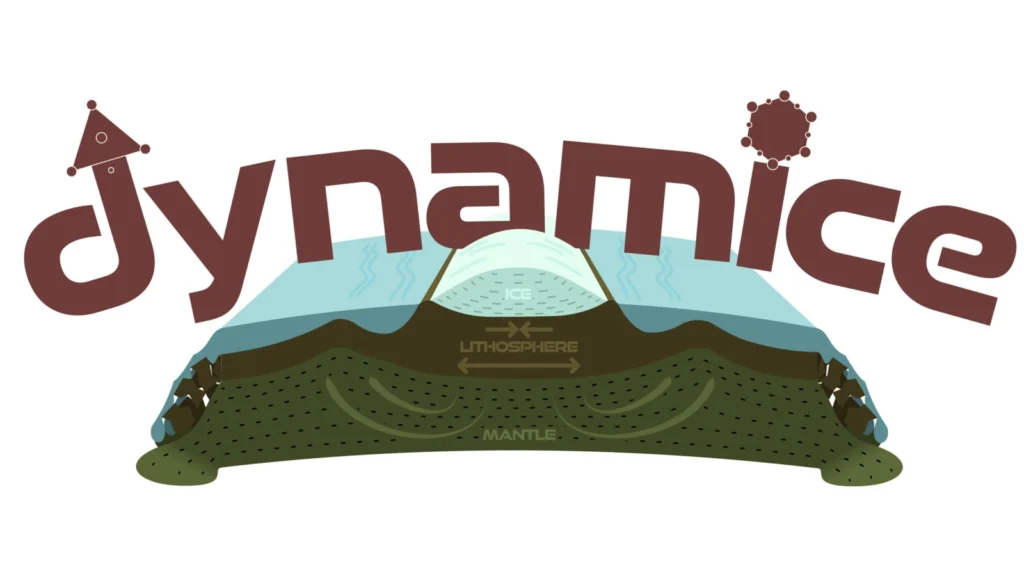
DYNAMICE: An ERC Starting grant project to bridge the gap between geodynamics and ice modelling
In the 2024 ERC Starting Grant call, the European Research Council received nearly 3,500 proposals, of which approximately 14% were awarded funding. Among the 20 projects funded in the field of Earth System Sciences is DYNAMICE, led by Ágnes Király, the 2023 recipient of the EGU GD Division Outstanding Early Career Award. Through this blog, Ágnes will introduce us to her project. The vast ice shee ...[Read More]
The Great Green Paradox
The sustainable and responsible use of mineral resources is a challenging task, yet essential for the benefit of our society. In this week’s blog, Dr. Νicholas Vafeas, an economic Geologist with a rich background in energy and mineral resources policy, shares his views on the urgent need to develop a holistic approach that can help integrate sustainable practises without posing any further risks t ...[Read More]
4th Cargèse School on Earthquakes: Nucleation, Triggering, Rupture, and Relationships to Aseismic Processes
How do earthquakes nucleate? How do they arrest? Can we predict or control them? How do fault zone structure and rheology influence rupture? What do earthquakes in the lab tell us? How does fluid injection modulate seismicity? The Institut des Etudes Scientifiques de Cargèse (IESC) premise in Corsica, France was abuzz with discussions about these and many other related questions this October. The ...[Read More]