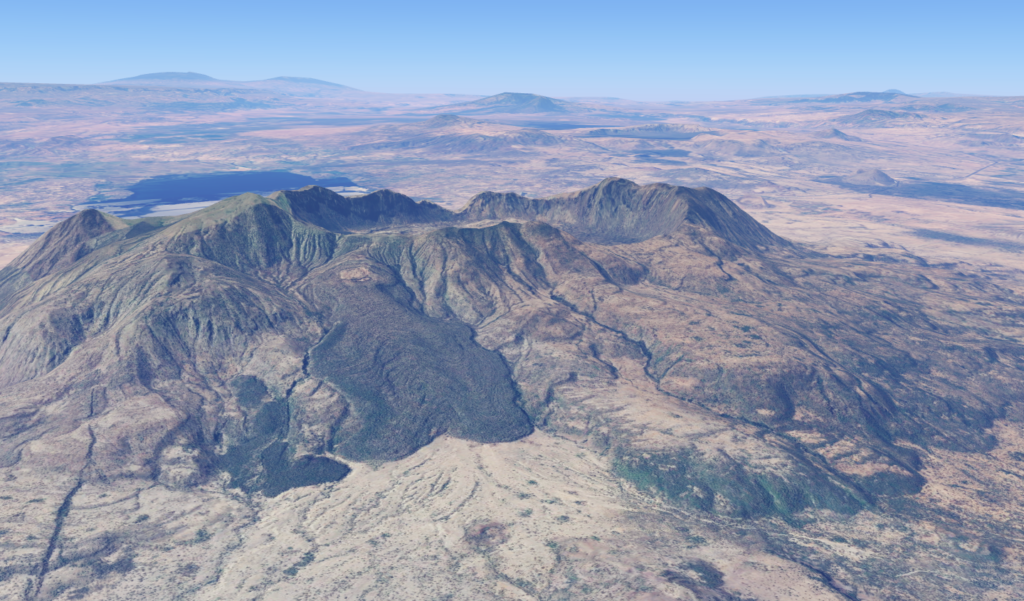

Building the Earth in a sandbox The Main Ethiopian Rift stretches for hundreds of kilometers through Ethiopia, a massive fracture where Africa is slowly tearing apart to birth a new ocean. However, the processes driving this continental breakup remain hidden deep beneath layers of volcanic rock and millions of years of geological history. Today, in a laboratory in the heart of the be ...[Read More]
Cratons: building blocks of continents and their economic importance
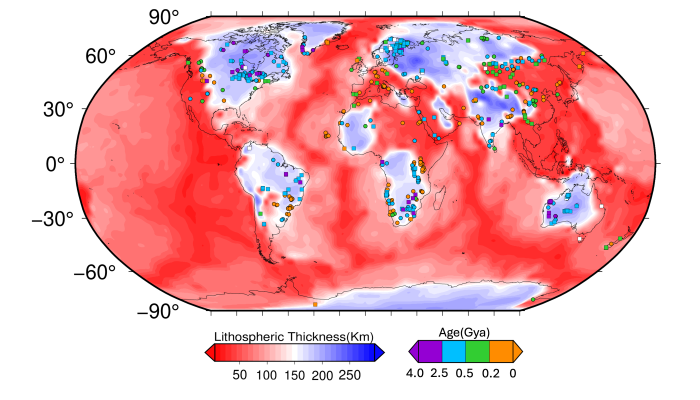
The 4.5 billion years of geologic evolution has shaped the tectonic processes in Earth we see today. Over the span of time, Earth has changed from being a magma ocean to a tectonically active planet, by transitioning through different tectonic regimes. A silent witness of this journey have been cratons which have survived for billions of years. Therefore cratons preserve clues of past tectonic pr ...[Read More]
Human civilization must survive on geological times: Why and How?
Applying for a PhD in Geoscience: To do or not to do
Fresh out of your bachelor’s degree, or more commonly these days, your master’s degree, it can be tempting to pursue your PhD as quickly as possible. While there are compelling reasons to dive straight in, rushing into a PhD might not be your best choice. To be or not to be a researcher? Before you start firing off applications, take a step back. Forget any expectations you had ...[Read More]