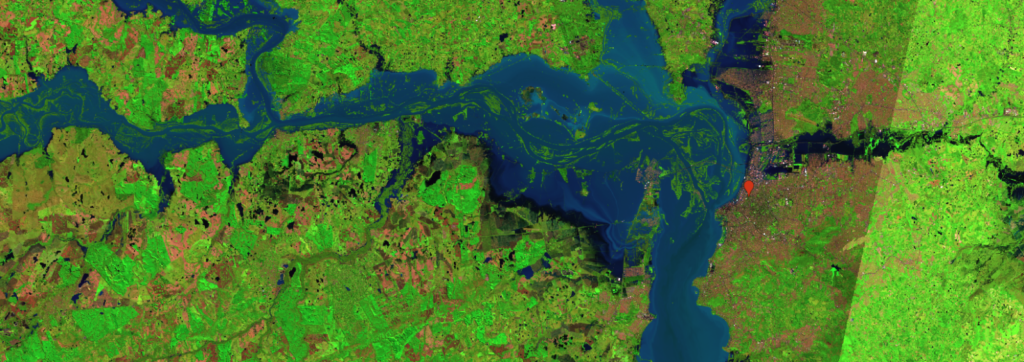
We are honoured to hear from Dr. Enner Alcântara, Professor at the São Paulo State University (UNESP) and leader of the Remote Sensing, Spatial Analysis, Environmental Modelling and Natural Disasters Research Group. His research in remote sensing has played a crucial role in recognising, managing and mitigating the impacts of disasters, bringing out significant contributions. …[Read More]
floods
When ten years of research come to an end – The final Panta Rhei Symposium
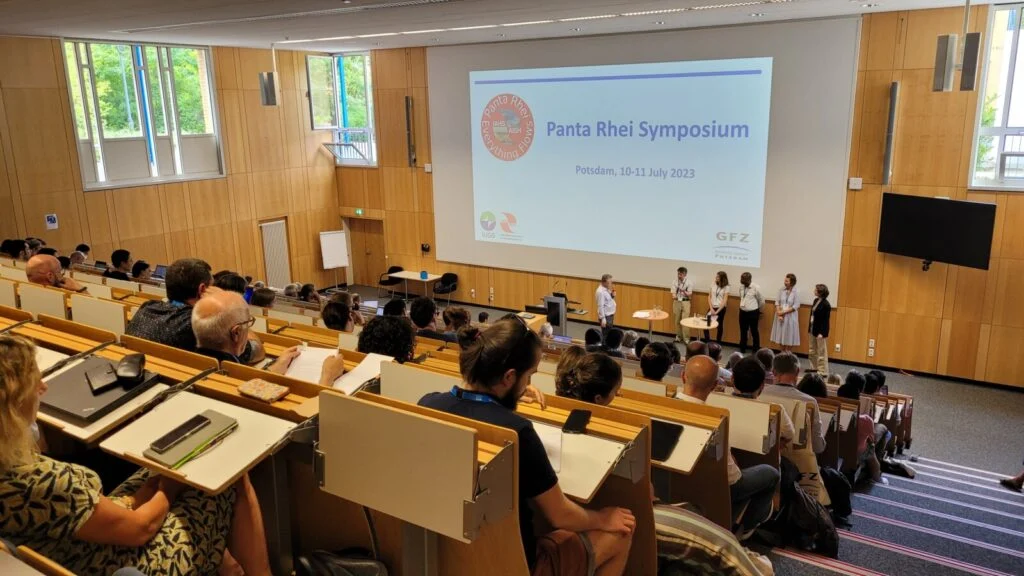
On the 10th and 11th of July 2023, the final symposium for the scientific decade, “Panta Rhei – Everything Flows: Change in Hydrology and Society” of the International Association of Hydrological Sciences (IAHS), took place at the German Research Centre for Geosciences (GFZ) in Potsdam. During these two days, 150 hydrologists, engineers, social scientists and …[Read More]
The 2023 Carnival disaster in São Paulo: an all time record for rainfall in Brazil
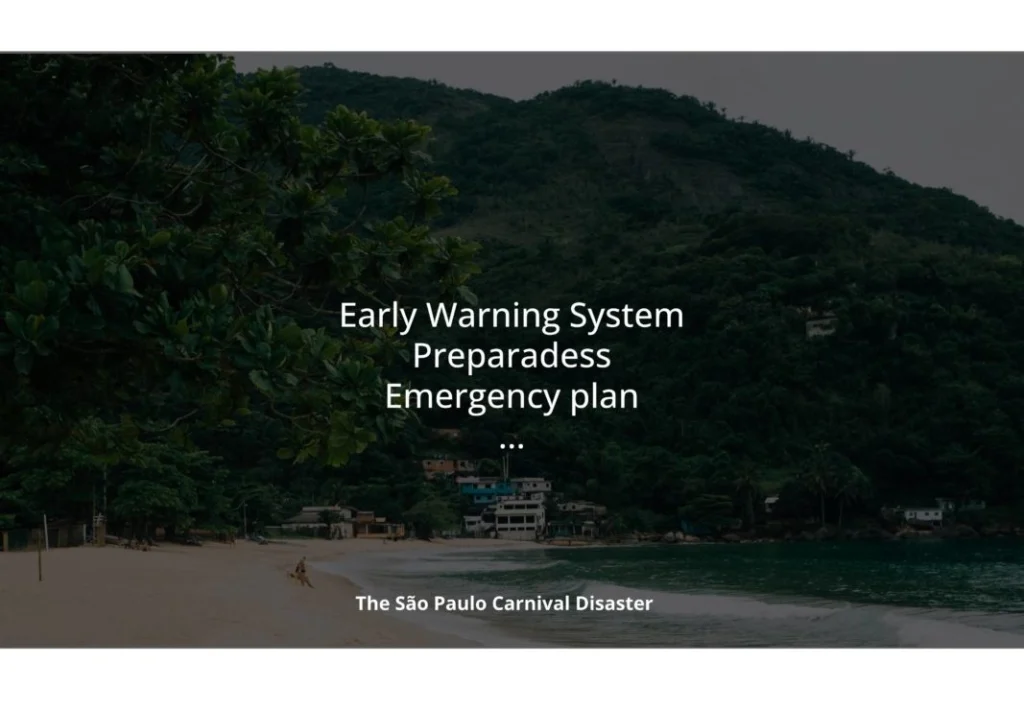
In February 2023, Brazil experienced its largest rainfall event on record, which devastated the northern coast of the state of São Paulo. This event caused landslides, floods, and numerous fatalities, making it even more tragic than previous disasters in the region, which already have been elaborated on in another blog post. The situation highlights the …[Read More]
Understanding and assessing hydrological extremes, a discussion with Alberto Viglione
Extreme hydrological events affect billions of people worldwide, and their negative impacts will likely increase due to climate change, urbanisation and ageing infrastructure. Further understanding of hydrological extremes and societal responses to floods is critical in mitigating flood risk and creating better urban environments. In today’s interview, we talk with Prof. Alberto Viglione. Alberto has …[Read More]
Floods in the Anthropocene: the good, the bad and the ugly
The interplay between human societies and floods dates back to Old World civilizations. Floodplains have provided the potential for prosperous agriculture and for the development of organised communities and urban cultures. Contextually, flood events have caused millions of fatalities and invaluable economic losses throughout history. Over the past decades, human activities have increasingly altered the …[Read More]
The CRED presents the bill: the socio-economic cost of natural hazards.
Which type of natural hazard is the most frequent? And which one causes the largest economic losses? Which populations are mainly affected? What are the necessary steps to reduce natural hazards’ impact? If you have ever wondered about any of these questions, you’d be interested to know that there is an institute answering all of …[Read More]