
Mountain hazard regimes are fundamentally shifting. There is consensus not just among concerned scientists, but practitioners of risk management, that mountain hazard regimes are affected by warmer temperatures and intensifying precipitation events. The effects of these changes are further amplified by increasing population density in known hazard zones; with more infrastructure and human settlements in …[Read More]
disaster risk reduction
Knowing better, but still losing more: why disaster risk reduction breaks down

The surviving house in Pacific Palisades became one of the most discussed images from the 2025 California wildfires (Fig. 1). What makes it scientifically interesting, though, is not that it survived. It is that many of the features associated with the house’s survival – a more fire-resistant exterior, stronger windows, and details that reduce ember …[Read More]
From Classroom to Community: Bridging Disaster Risk Reduction Education with the Real World Through Service-Learning
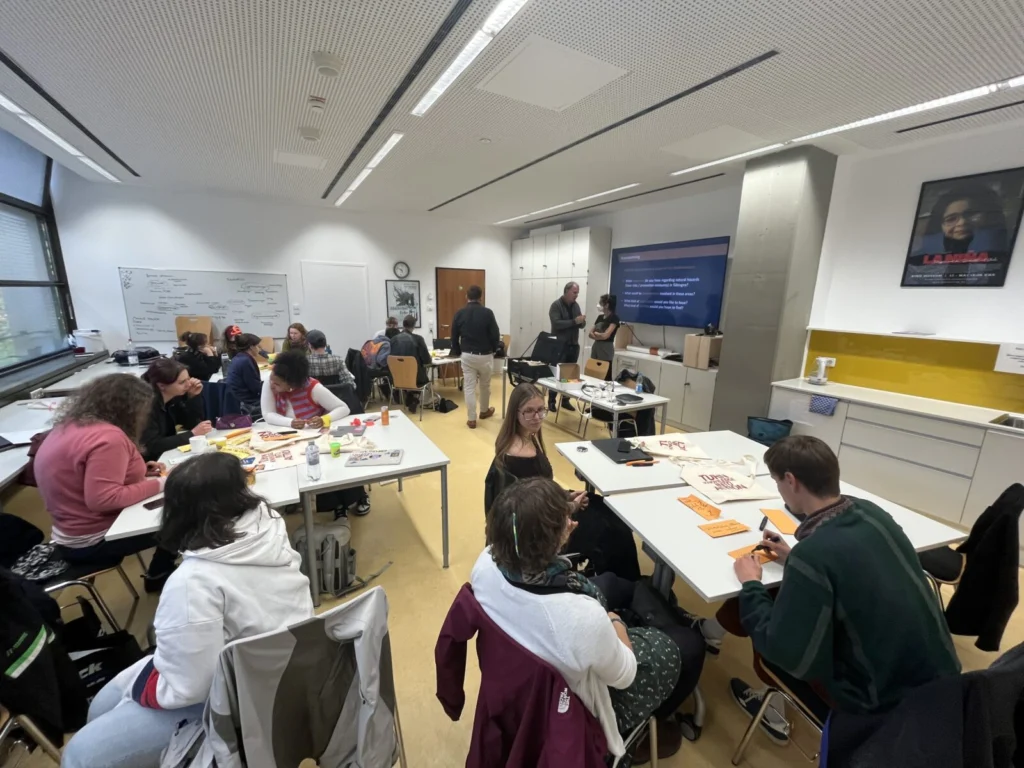
This week, we turn our attention to education and collaboration in Disaster Risk Reduction (DRR). Dr. Solmaz Mohadjer has been leading an innovative Service-Learning course that brings students together with non-profit organisations working at the forefront of risk reduction. The course not only introduces students to the complexities of disasters and resilience but also creates …[Read More]
If a Resilient City Had a Face: It Might Look Like Kagoshima
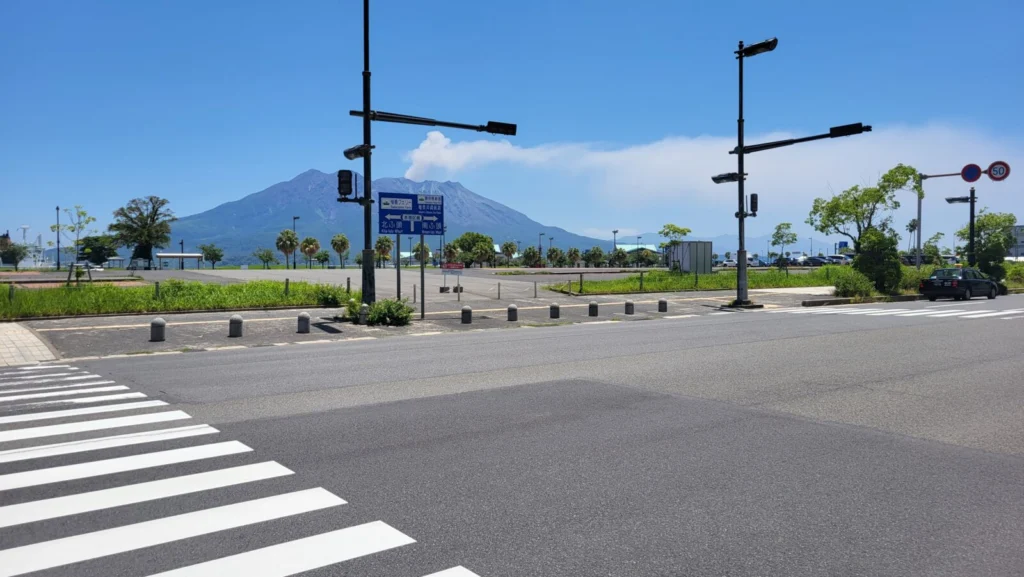
As natural hazard scientists, we often emphasise the concept of exposure – how much people, infrastructure, and ecosystems are in harm’s way when close to natural hazard sources (e.g., floodplains, volcanoes, or fault lines). The closer you are, the higher the risk. Therefore, one of the main goals in natural risk assessment is to reduce …[Read More]
How scientists support Disaster Risk Reduction (DRR) policies: the example of a European Ultraperipheral Department (Mayotte, the 14th of December, 2024)
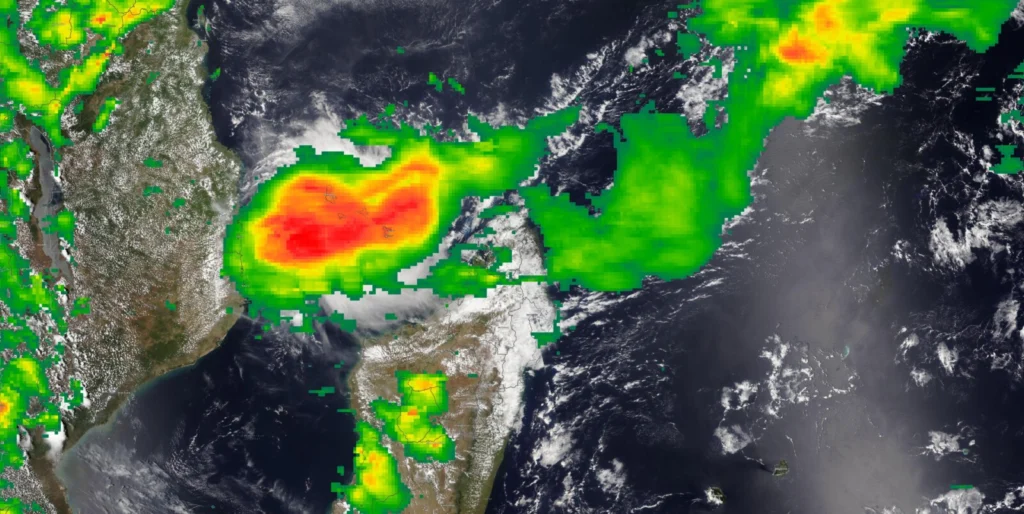
Ultraperipheral European departments like Mayotte are developing regions, often disproportionately exposed to natural hazards and struggling to mitigate the impacts of climate change. The eye of cyclone Chido, the most violent storm to hit Mayotte island in 90 years, engulfed the French Department on the 14th of December 2024. The extensive destruction and massive loss …[Read More]
Education and Awareness as Pillars for a Disaster-Resilient Future – An Interview with Marina Morando, Programme Director at CIMA Research Foundation
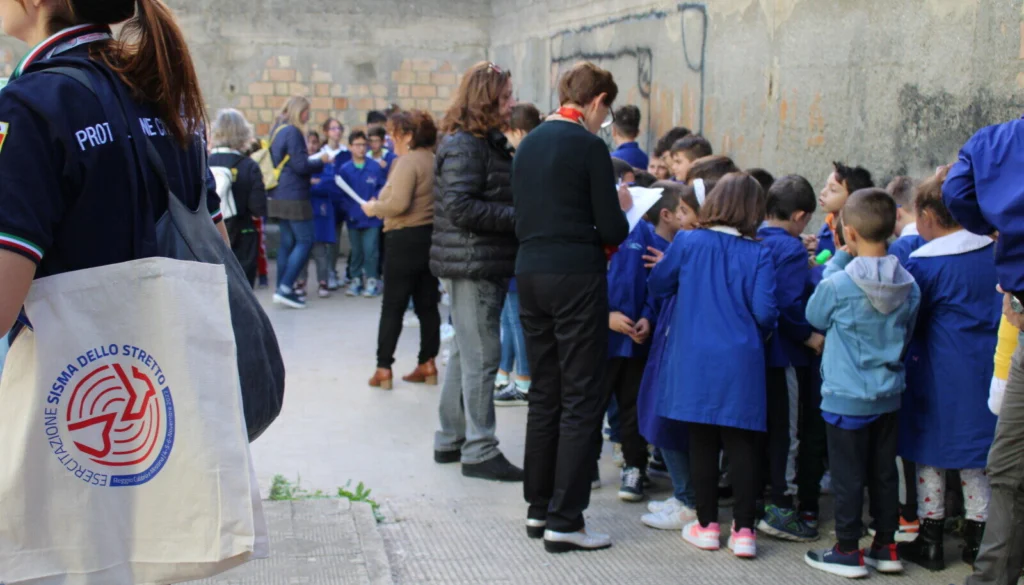
This year, the International Day for Disaster Risk Reduction, observed on October 13th, emphasises the crucial role of education in mitigating disaster risks. In this insightful interview, we have the pleasure of discussing this important topic with Engineer Marina Morando, Programme Director at the CIMA Research Foundation in Italy. She brings extensive research and operational …[Read More]
Building Resilience: Insights and Preventive Measures from Kuala Lumpur’s Sinkhole event
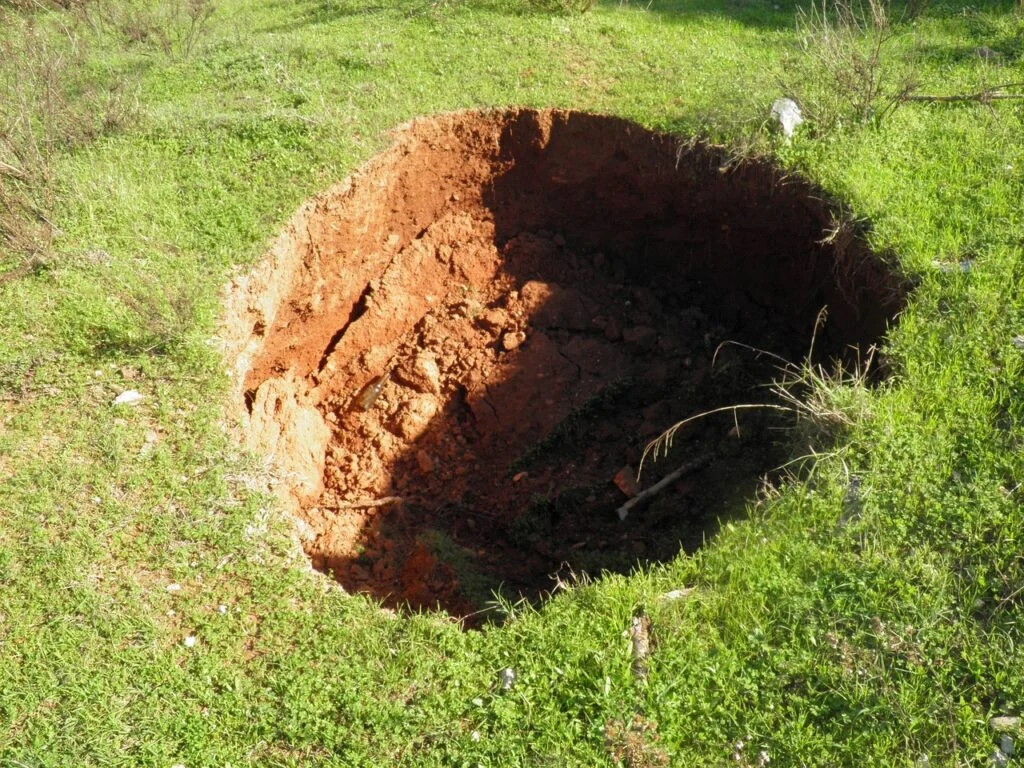
On August 23, 2024, a tragic event unfolded in Kuala Lumpur, Malaysia, when an 8-metre-deep sinkhole opened up on Jalan Masjid India, swallowing Vijayalakshmi Gali, a 48-year-old woman visiting from India [1]. The incident has raised serious concerns about public safety and the integrity of urban infrastructure. A sinkhole is a natural depression or hole …[Read More]
Navigating the Ongoing and Predicted Disaster of Rio Grande do Sul (Brazil): Career and Insights with Expert Prof. Enner
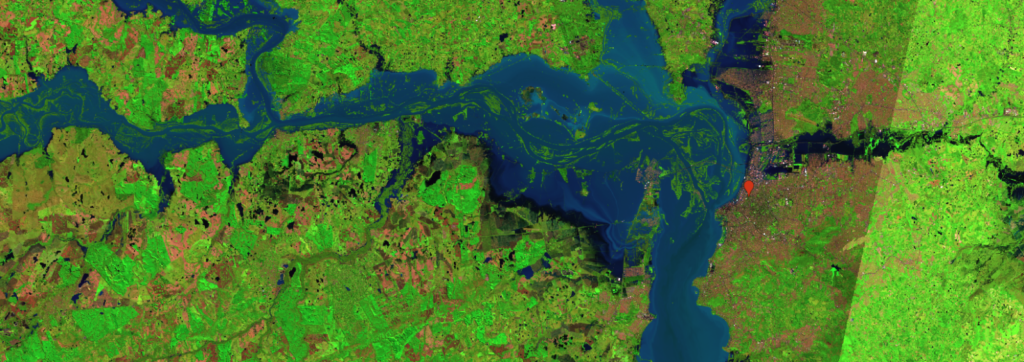
We are honoured to hear from Dr. Enner Alcântara, Professor at the São Paulo State University (UNESP) and leader of the Remote Sensing, Spatial Analysis, Environmental Modelling and Natural Disasters Research Group. His research in remote sensing has played a crucial role in recognising, managing and mitigating the impacts of disasters, bringing out significant contributions. …[Read More]
New Era of AI: How can foundation models help disaster risk reduction?
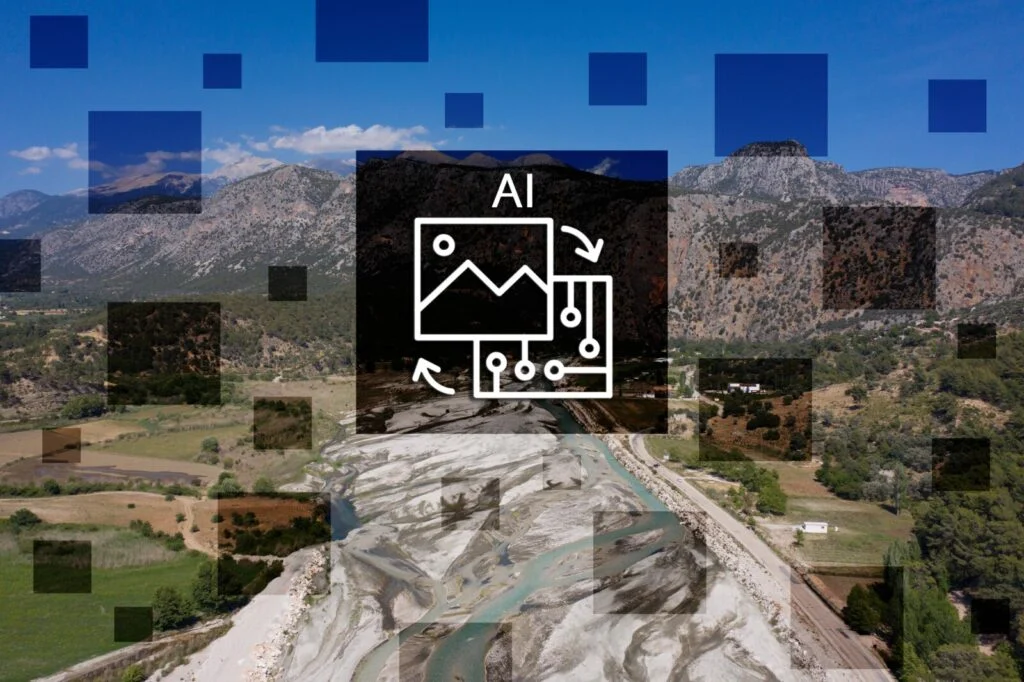
In recent decades, AI-based methods have increasingly been adopted to tackle various problems in the field of natural hazards. The escalation of climate change has fuelled the complexity of tasks within the field of disaster risk reduction, such as capturing the formation of an extreme event timely to evacuate an area at risk. In this …[Read More]
Is culture the missing link to disaster risk reduction?
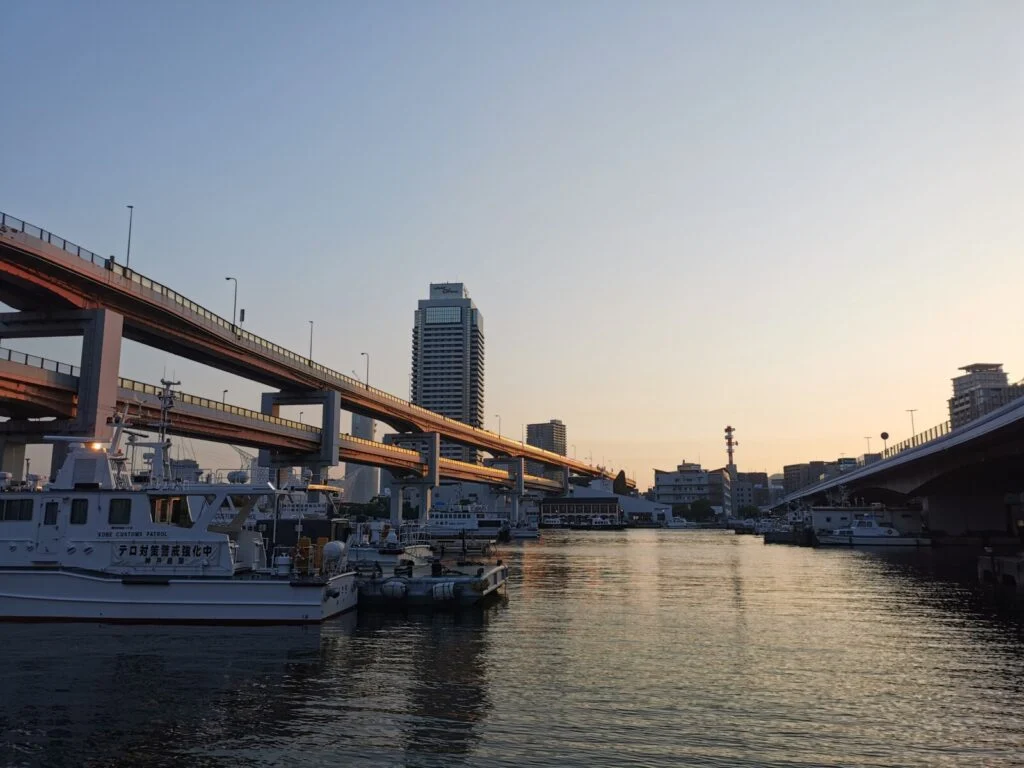
Sophocles, a great tragic writer of Classical Athens, said that “success is dependent on effort”. When it comes to disaster risk reduction, are we doing enough to develop a culture of resilience and how do cultural factors affect people’s willingness to protect themselves and build an effective disaster reduction and reconstruction mechanism? In 1995 (17/01/1995), …[Read More]