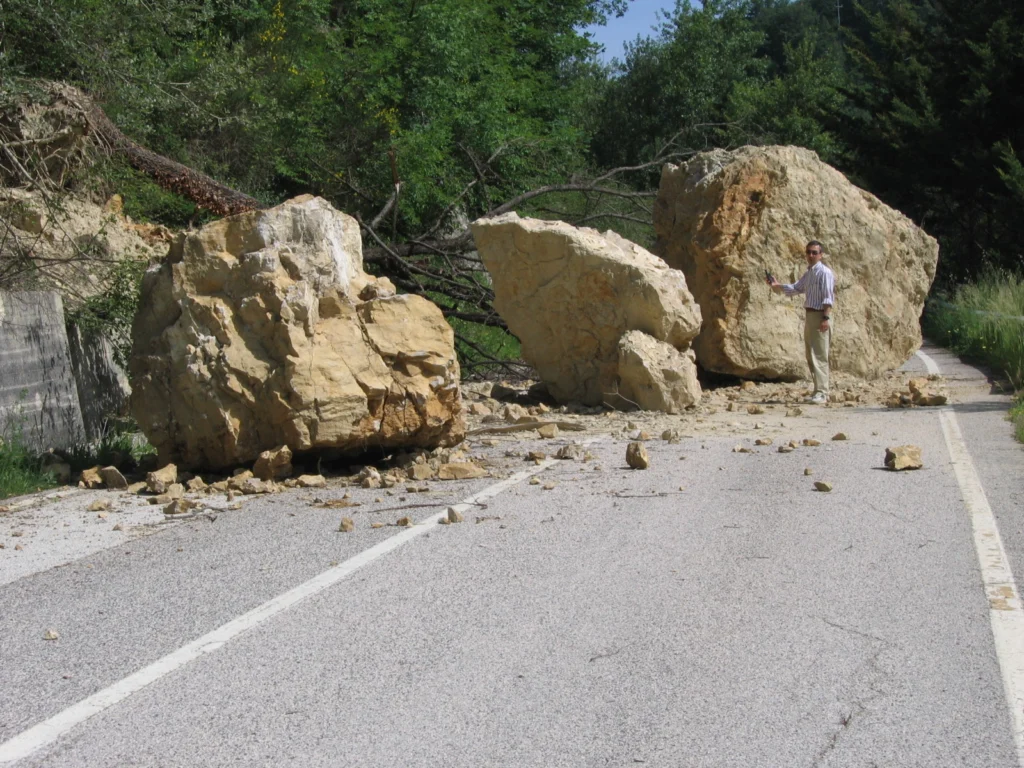

Dr Fausto Guzzetti, current Research Director of the National Research Council (CNR) in Italy, has been awarded the 2021 Sergey Soloviev Medal for “his fundamental contributions to the field of natural hazards and his remarkable efforts to link the scientific community and civil protection authorities to mitigate risk for exposed populations”. From his passion for …[Read More]
Pros & cons of an academic life
The life of an academic is supposed to be fulfilling. To study a specific topic, understand it and share the acquired knowledge with everyone is something of great societal value and should make anyone proud. But, everything in life comes with pros and cons. So, today we will try to talk about the beauty and …[Read More]
The multitasking skillbox of researchers, direct experiences from Early Career Scientists.
Science is “the study of the nature and behaviour of natural things and the knowledge that we obtain about them” (Collins online dictionary). In other words, science is tightly linked to gaining knowledge. However, this definition and many others never mention that to gain knowledge through science, a vast amount of experience must be acquired …[Read More]
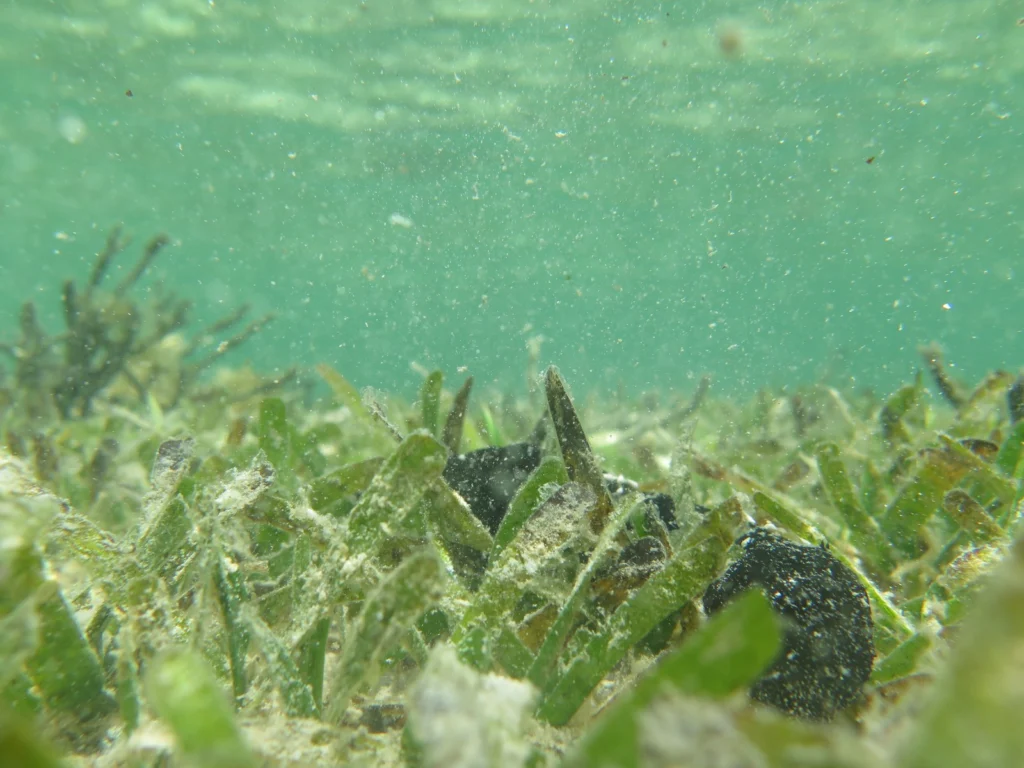
Another (surprising) brick in the wall: how seagrass protects coastlines against erosion.
Dear readers, today our blog will host Marco Fusi, a postdoctoral fellow working on coastal ecosystems. Together with Marco we will give a twist to our usual geoscientific perspective and mix some ecology in it. Specifically, we will explore the surprising role of seagrass in limiting coastal erosion effects. 1- Hello Marco, please give us …[Read More]
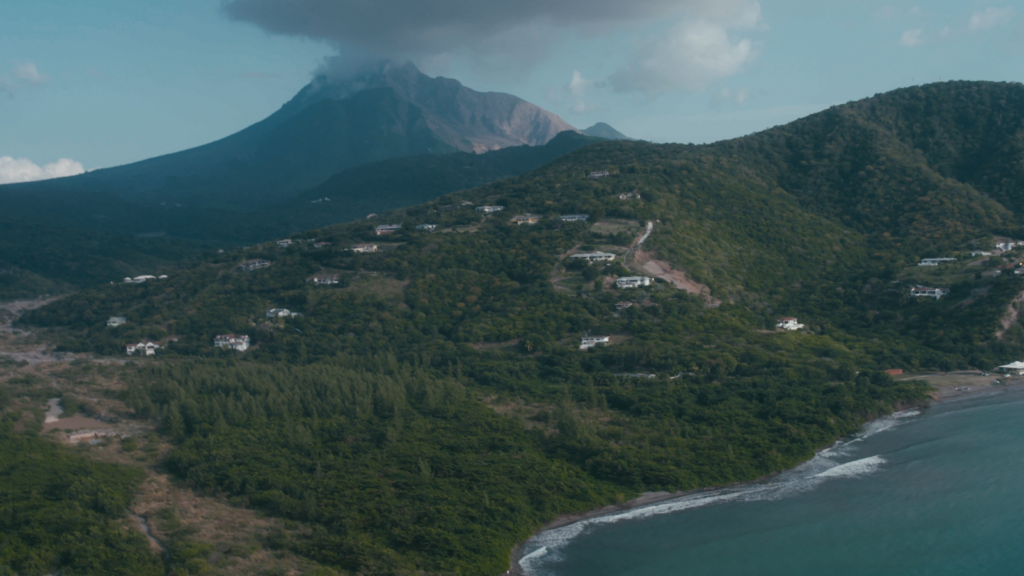
The devil in disguise: filmmaking lives under the threat of volcanoes.
Dear readers, today our blog will host Ryan Stone from Lambda Films. He will tell us his story and perspective behind the camera while documenting people’s lives constantly exposed to volcanic risk. If you want to get a quick taste of today’s content, just take a long breath and watch this video: https://www.lambdafilms.co.uk/video-production/an-eclipse/. Hello Ryan, Please …[Read More]
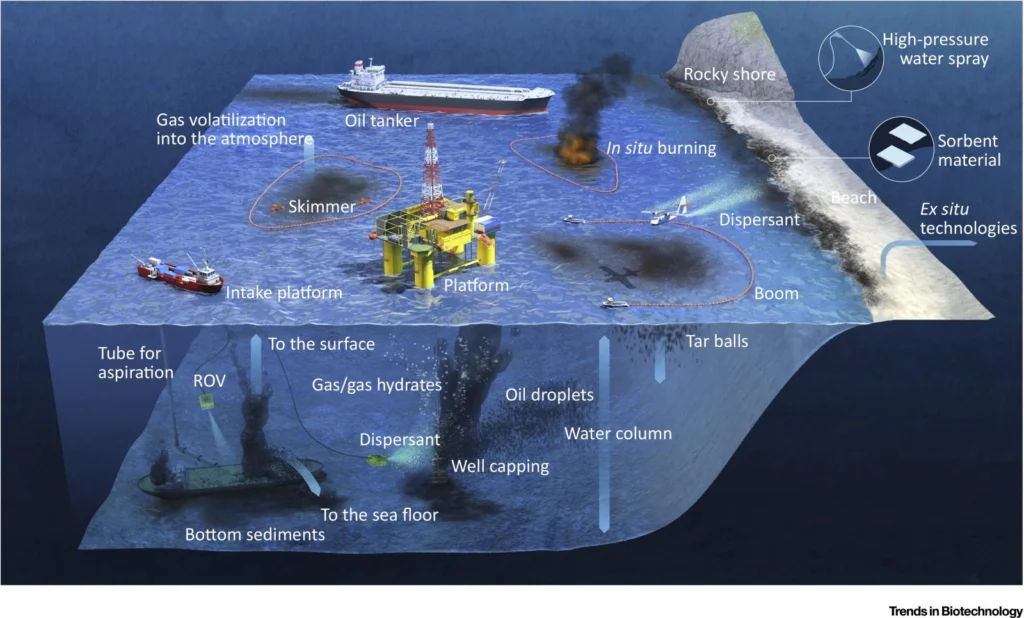
Hazard chains: from anthropic oil spills to ecosystem pollution. Can tiny organisms be the solution?
Hello to everyone. Today I have the personal pleasure to interview Dr. Grégoire Michoud. He is a friend and a brilliant scientist working on ecosystem microbial ecology. In the interview, Grégoire will talk to us about oil spills in the marine system, a specific anthropic hazard that can evolve into a natural hazard with terrible environmental consequences. …[Read More]
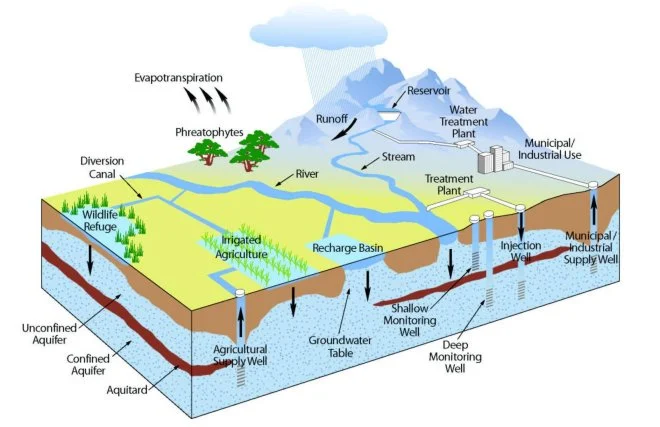
Natural Groundwater Quality: an underestimated and yet dangerous hazard.
Today I have the pleasure to interview Dr. Evangelos Tziritis, a brilliant scientist and a friend. He will talk to us about Natural groundwater quality hazard and its implications. This blog aim is to discuss Natural Hazards. Therefore, today we will focus on the natural component of water quality, disregarding anthropogenic sources. Evangelos is a …[Read More]
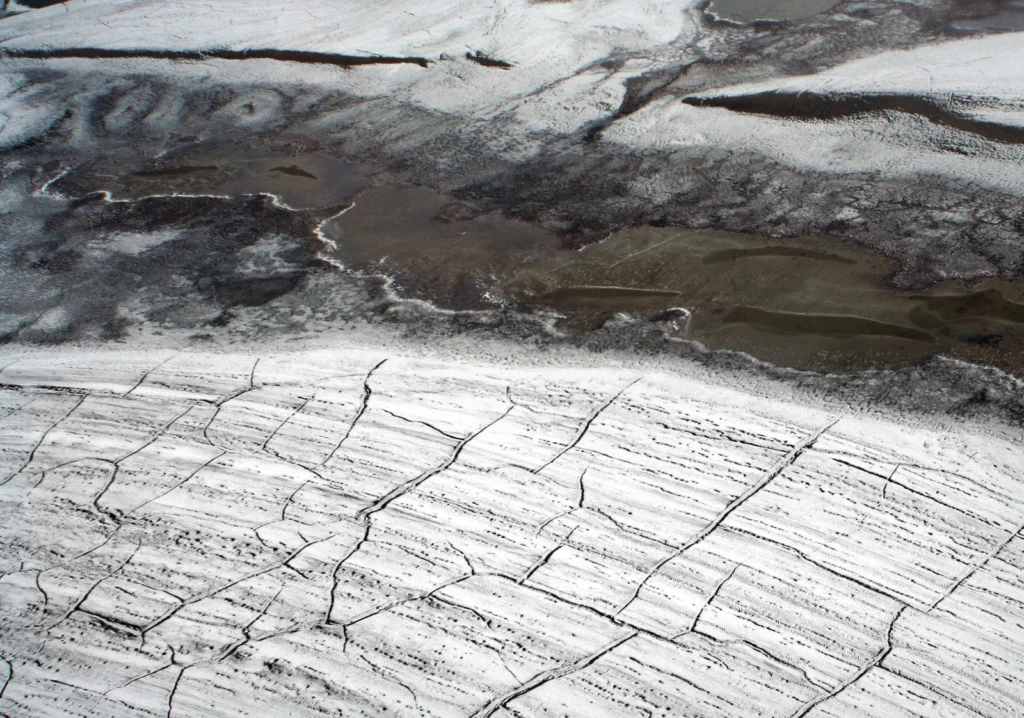
Permafrost fever, do we need a doctor?
Today we will shed some light on permafrost thanks to Dr. Dmitry (Dima) Streletskiy. Dima is an Assistant Professor of Geography and International Affairs at the George Washington University. He leads several research grants focusing on various aspects of climate change and its impacts on natural and human systems in the Arctic. Streletskiy is the President Elect of …[Read More]
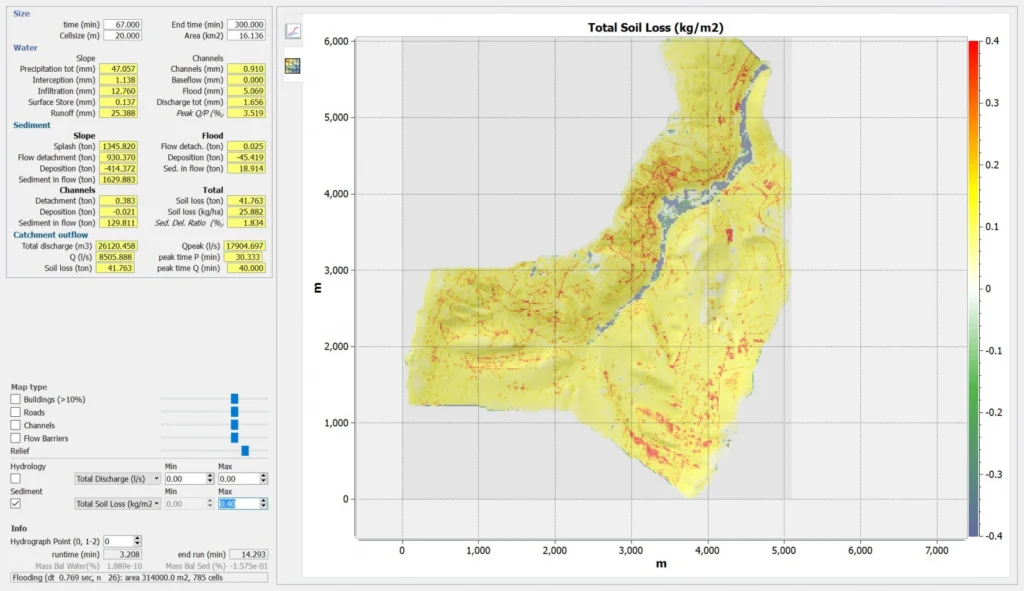
Multi-Natural-Hazards: how can we deal with such complex chain of events?
Today we have the honor to have Prof. Victor Jetten as our guest. Throughout his career Victor, has been working in modelling of natural hazard and land degradation processes. Starting with biomass and grazing capacity, the effects of logging on the natural rain forest water balance, he then moved to soil erosion and land degradation processes …[Read More]
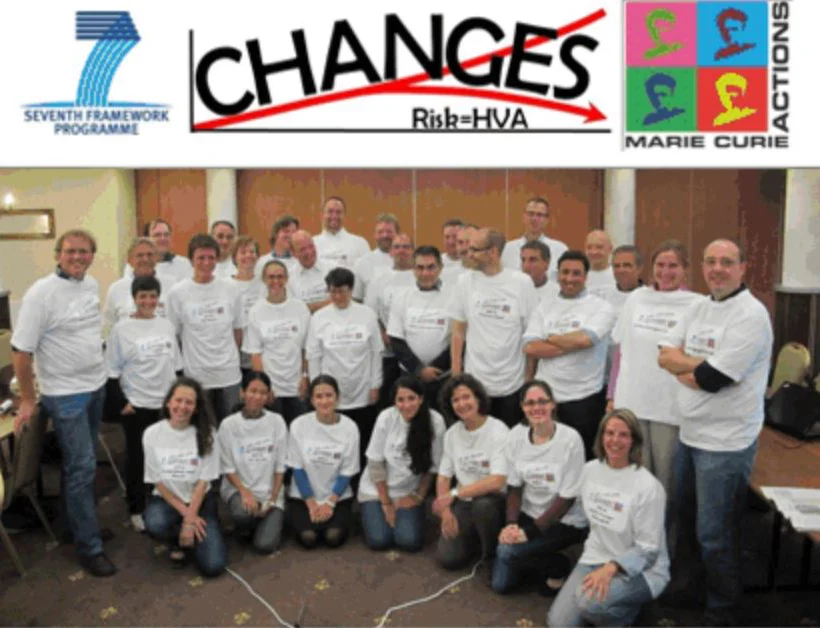
International Research Projects: what can we learn from CHANGES?
Today I have the pleasure to post an interview on International Research Projects. The interviewee, Dr. Cees van Westen, does not need any introduction for those who work in the field on Natural Hazards. Today, he will “speak” as the coordinator of the CHANGES project and further information can be asked directly to him if this …[Read More]