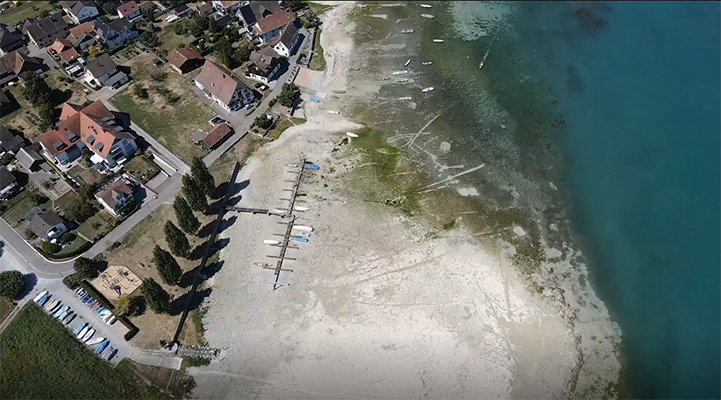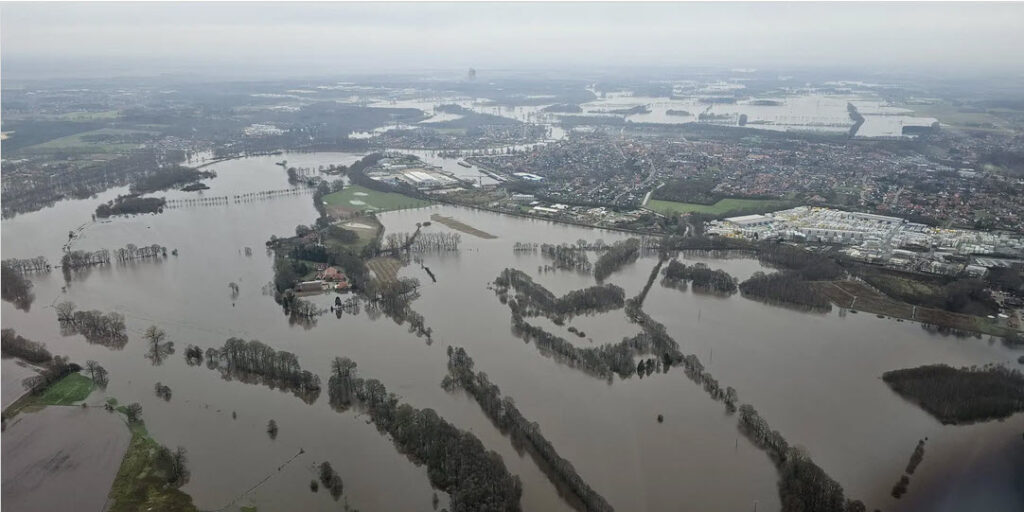
Many of us are experiencing it right now: Europe is suffering from a long lasting large scale drought (Fig. 1), with record heat and low-flow levels that probably nobody of us has seen before; and current forecasts do not announce any relieve for the coming weeks. The pictures of record low levels in the river Rhine are scaring – knowing how strongly Europe depends on this fluvial transport ...[Read More]
Ready for EGU GA 2026?
Most of us are almost ready to go to EGU General Assembly 2026. It will take place on 3–8 May 2026, with more than 21,000 submitted abstracts (presented as orals, posters, and PICOs, onsite and virtual). The EGU-Programme App is ready to be downloaded. Speakers can already upload their material and of course, all of us can start preparing our personal programme (which can be synchronized with the ...[Read More]
Improve your chances in hiring processes and proposal evaluations: curate your ORCID
Today – while preparing my latest Sience – CV (SciCV) version for a proposal submission – I noticed that I will soon celebrate my 20th net-academic-age birthday* (see below). No worries, my editorial is not about looking back on my career, but about offering some hints on how to keep up with evolving research evaluation practices. One of the things that is evolving quickly (for academi ...[Read More]
Last minute information for EGU26 abstract submission
If you have not yet submitted your abstract for this year’s General Assembly (GA2026), do not forget to submit as early as possible this week (instructions here), this avoids any last minute technical challenges. . You can submit only one abstract (except for invited speakers or if you submit to an EOS-session). For your hydrology-related research, the call-for-abstracts programme proposes t ...[Read More]