The story so far, and how it developed We left you in part 1 of our blog (Hydrological Sciences | Co-creating water knowledge (Part 1): The history and future of an interdisciplinary working group) two days ago, anticipating what we are doing and how you can get involved with us. The IAHS Working Group on “Co-creating Water Knowledge” developed a “baseline paper”, defining core co-creation concep ...[Read More]
Water policy, management & control
Co-creating water knowledge (Part 1): The history and future of an interdisciplinary working group
HELPING and the co-creation of a working group In 2023, the International Association of Hydrological Sciences (IAHS), inaugurated a new Scientific Decade, called HELPING – IAHS Science for Solutions decade, with Hydrology Engaging Local People IN one Global world. This third decade was established through a bottom-up process, by investigating the interests and the urgency of local hydrolo ...[Read More]
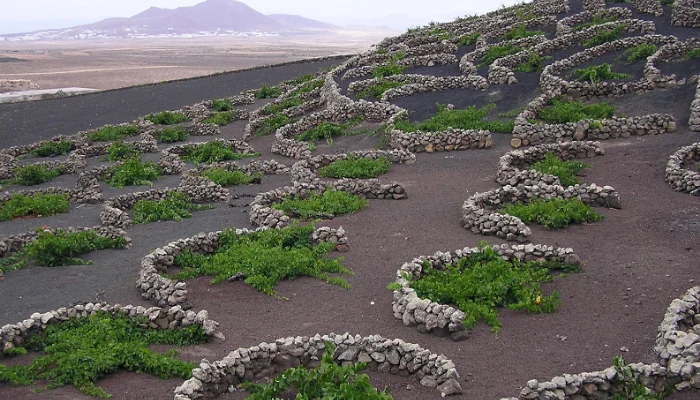
Catch the rain when it falls: a journey through water harvesting in the Anthropocene
As an environmental engineer trained in water resources management, I have always been fascinated by the multiple uses of water, and specifically the use of water for food production. I always assumed that “the largest share of freshwater resources was used for food production”, thus I logically pursued my MSc. thesis and then my Ph.D. in agricultural sciences. How Fieldwork Shifted My Perspective ...[Read More]
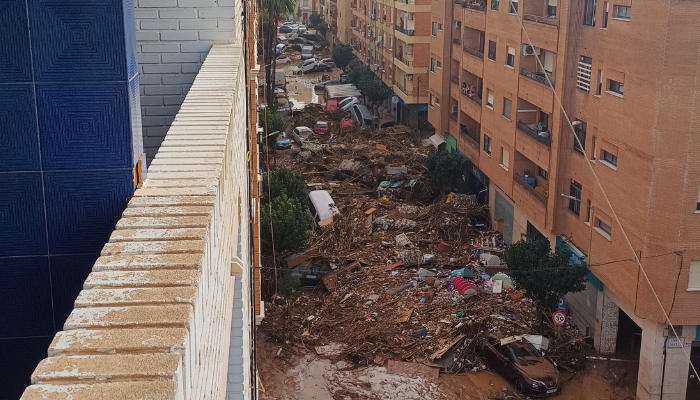
October 2024 floods in the Valencia region, Eastern Spain: One example too many of hazardous debris
The recent devastating flash floods in Valencia region, Eastern Spain, have once more highlighted the role of large debris in enhancing urban flood hazard. Urban debris – so-called Urban Flood Drifters (UFDs) – are very varied as shown by a recent survey. They include vehicles, deadwood, waste bins, containers of many types, construction materials, and many other objects. Once these ar ...[Read More]
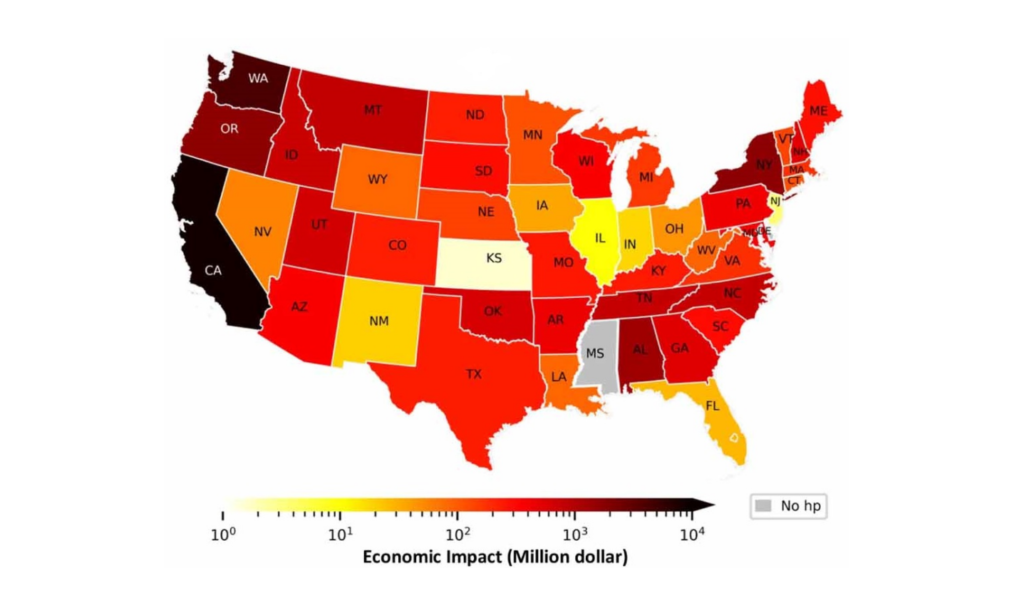
When Droughts Dry Up Power: The Climate-Hydropower dilemma
When we think of hydropower, its environmental impacts usually comes to mind: the dams that disrupt ecosystems, the water bodies that shift, the surface evaporation that increases, and the greenhouse gases that escape from reservoirs1. Hydropower, for all its clean energy potential, is not without its environmental baggage, whether on local water resources or the global surface water storage. But ...[Read More]
The water crisis in Bengaluru, India, and its direct link to the degradation of the city’s lake system
In the heart of India’s rapid urban expansion, Bengaluru city’s escalating water crisis reveals a direct connection to the deteriorating health of its lake systems, once the lifeline of this burgeoning city. Bengaluru has an area of about 741 sq km and a population of 13.6 million (2023) and has been historically celebrated as the “city of lakes.” These lakes are interconnected with canals/ ...[Read More]
Thirsty Earth: a multiplayer online game for water resources education and research
The Rising Need for Interdisciplinary Literacy The sustainable management of water resources requires cooperative institutions whose development are rarely included in already overloaded engineering and earth sciences curricula. The resilience of such institutions in the context of climatic and demographic change is also poorly understood. Enter “Thirsty Earth,” an online open-access m ...[Read More]
Urban streams can provide water sources for climate change mitigation
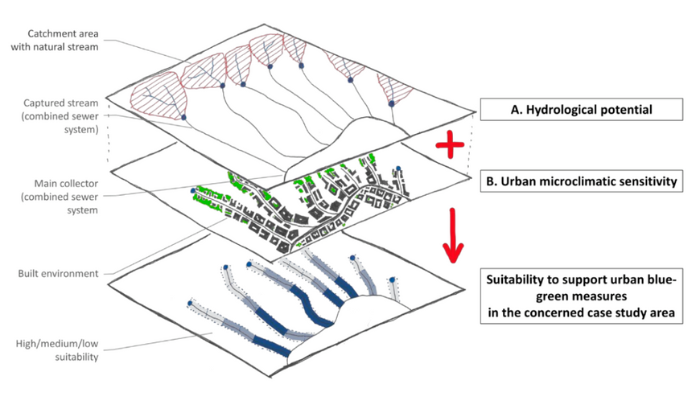
With advancing climate change, mitigation measures are necessary to fight urban heat islands. Reactivating urban streams as blue-green infrastructures can contribute to this mitigation, and serve as an invaluable water resource. Urban streams – banned to the underground In urban areas, hydrological conditions have been modified, impacted or completely changed for centuries. Rivers and stre ...[Read More]
Inter-journal Special Issue “Drought, Society and Ecosystems”
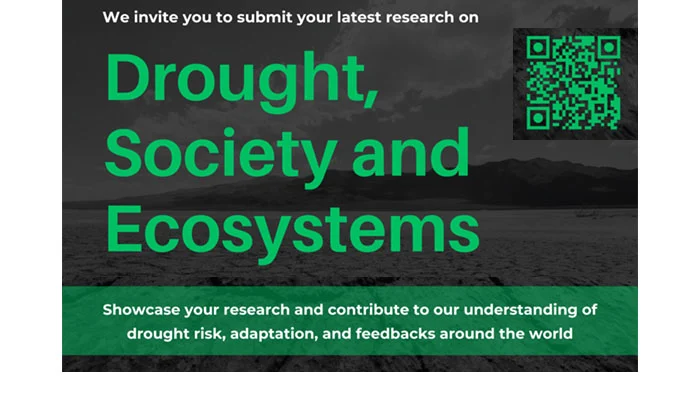
Are you a scientist, researcher, student, practitioner, or stakeholder with an interest in the complex phenomenon of drought and its impacts on societies and ecosystems? If so, we have exciting news for you! The IAHS Panta Rhei scientific decade (2013-2023) working group “Drought in the Anthropocene” (DitA) is advertising an inter-journal special issue entitled “Drought, Society and Ecosystems” to ...[Read More]
From natural streams to urban consumption: Water distribution networks and their strong environmental footprint in a changing climate
Water distribution networks play a crucial role in ensuring access to clean and safe drinking water. However, they can also have significant environmental impacts, especially in the context of a changing climate. To minimize their environmental footprint, it’s important to adopt sustainable practices by implementing energy-efficient technologies. Freshwater availability: a worsening crisis ...[Read More]