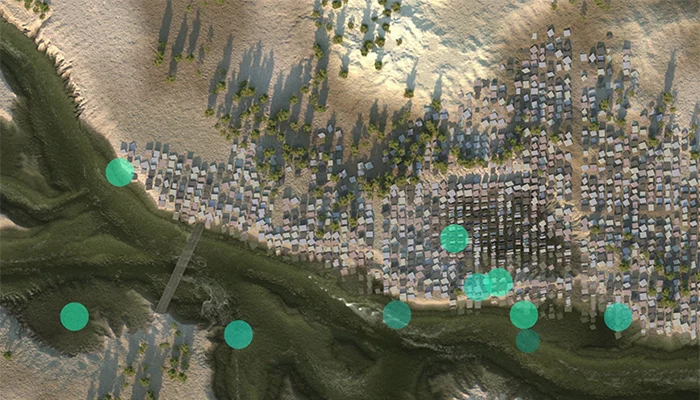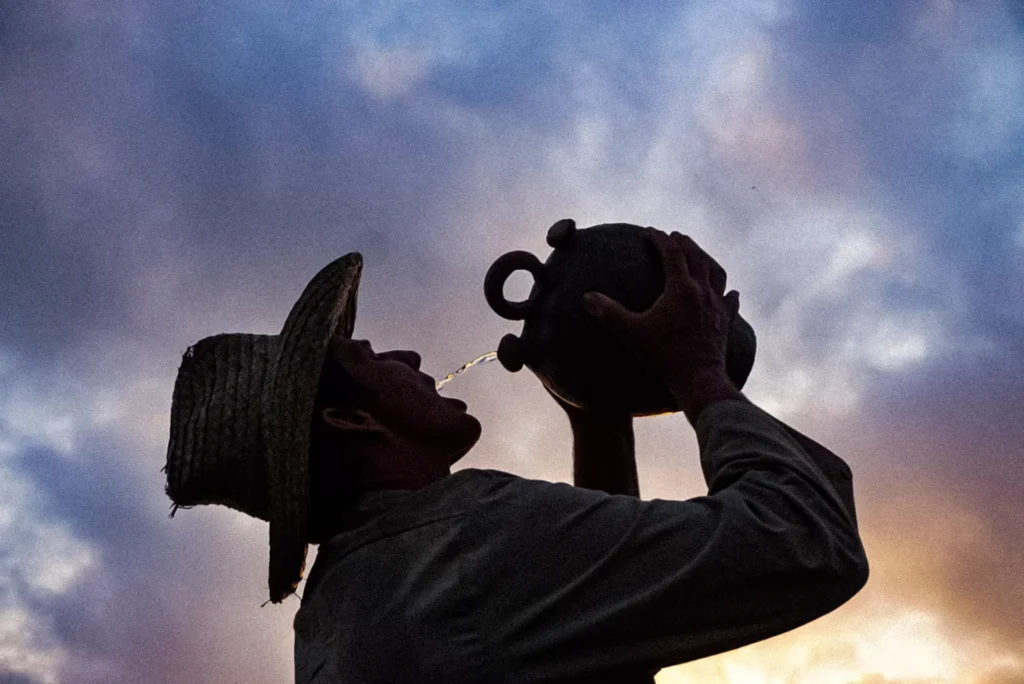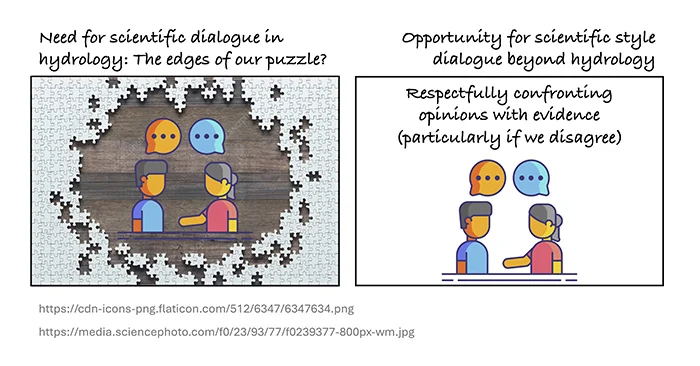
A little over a decade ago, a group of us argued that “it takes a village to raise a hydrologist”. The skills and knowledge any hydrologist should be exposed to during their training goes far beyond what a single person can do and know. Even more, the experience of how water shapes and interacts with diverse landscapes all around the world cannot be obtained by a single person. This is true especi ...[Read More]
Reclaiming scientific publishing: Our duty to make science freely accessible to all
Editor’s note: While this article explores the benefits of Diamond Open Access and critiques commercial, for-profit publishing structures, it is important to note that the European Geosciences Union (EGU) operates on a community-led, transparent, and not-for-profit Open Access model. EGU journals use Article Processing Charges (APCs) strictly to cover publishing costs and support the scientific co ...[Read More]
Regarding Flowing Waters – The Science and Art of Hydrology
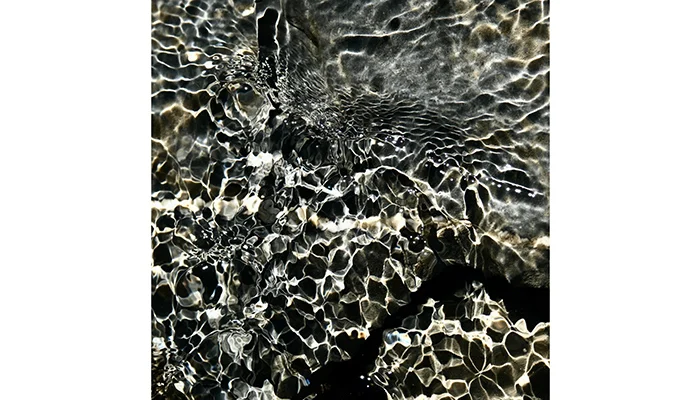
About a decade ago, I formally retired from Lancaster University (albeit retaining an emeritus position and still producing the occasional paper). In that time, I have been able to pursue my interests in the history of hydrology but also devote more time to my other passion which is landscape photography, especially images of water. As a hydrologist, I do understand that to spend my spare time p ...[Read More]
Improve your chances in hiring processes and proposal evaluations: curate your ORCID
Today – while preparing my latest Sience – CV (SciCV) version for a proposal submission – I noticed that I will soon celebrate my 20th net-academic-age birthday* (see below). No worries, my editorial is not about looking back on my career, but about offering some hints on how to keep up with evolving research evaluation practices. One of the things that is evolving quickly (for academi ...[Read More]