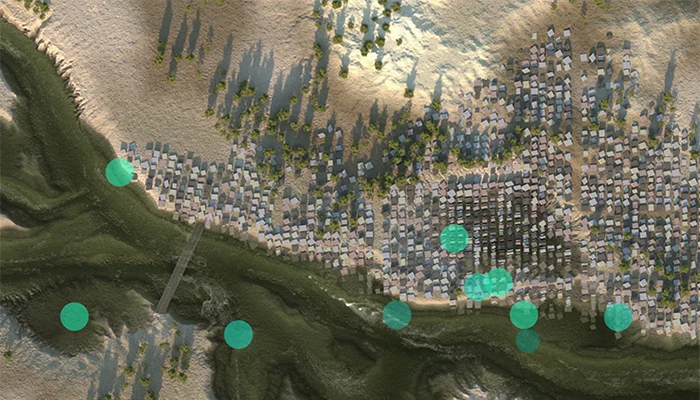
Dear EGU Hydrology community, Over the past few years, machine learning (ML) and artificial intelligence have fundamentally changed what is possible in large-scale hydrological modeling. At Google, our team has worked to develop machine learning river forecast models that operate globally, extending reliable forecasting to ungauged basins and covering almost two billion people through the …[Read More]
Natural Hazard
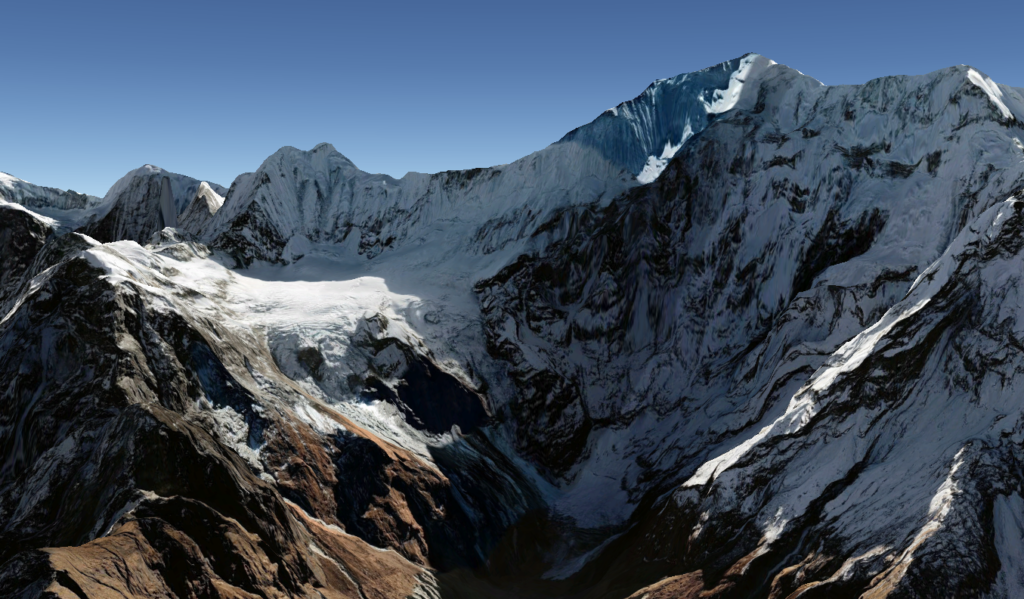
Summary of the August 26th, 2026, Himalayan flash flood
At the time of preparing this blog entry, we are less than 48 hours after the catastrophe which has hit the Himalaya. While the flow of new information continues, it is useful to summarize and clarify the key points around this event. WHAT? The massive destruction was caused by a flash flood. It was such …[Read More]
What machine learning can and cannot tell us about floods
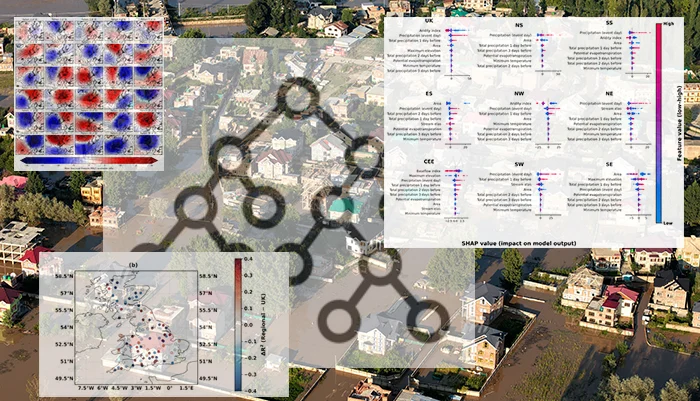
Floods are shaped by complex and nonlinear interactions between weather patterns, rainfall, soil properties, topography, land cover, and how wet a catchment already is. This complexity is one reason machine learning (ML) is increasingly used in hydrology. ML models can learn patterns from large and complex datasets with many variables. Early in my PhD, while …[Read More]
HydroTalks: Prof. Thom Bogaard on Water and Landslides, Early Warning Systems, and IAHS-HELPING Decade
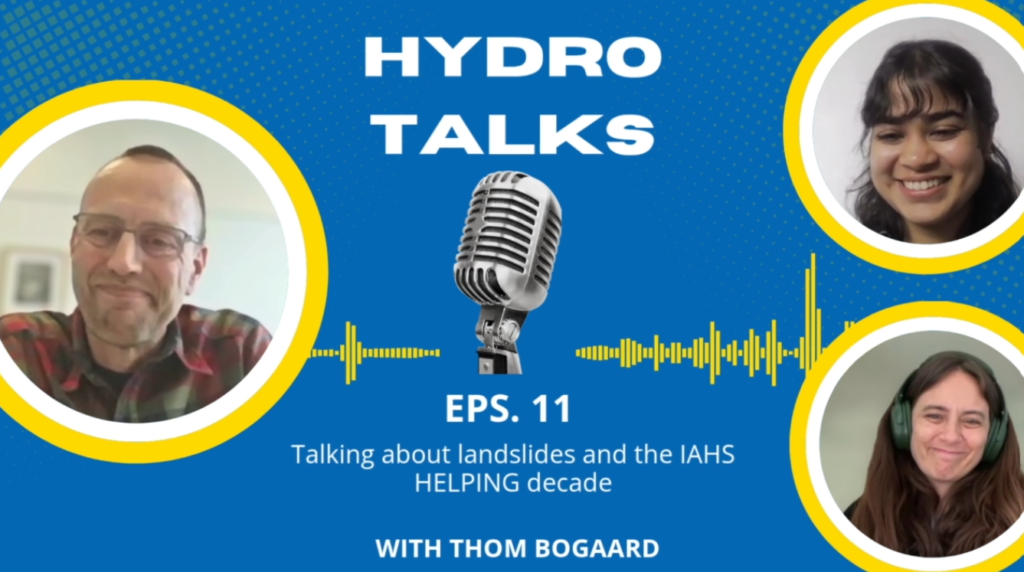
For episode 11 of HydroTalks, we welcomed Prof. Thom Bogaard of Delft Technical University and visiting professor at Kasetsart University, Bangkok. His research explores the intersection of hydrology, geomorphology, ecology, and natural hazards. We discussed his work on understanding how water triggers landslides, improving regional early warning systems, and developing practical solutions that reduce disaster …[Read More]