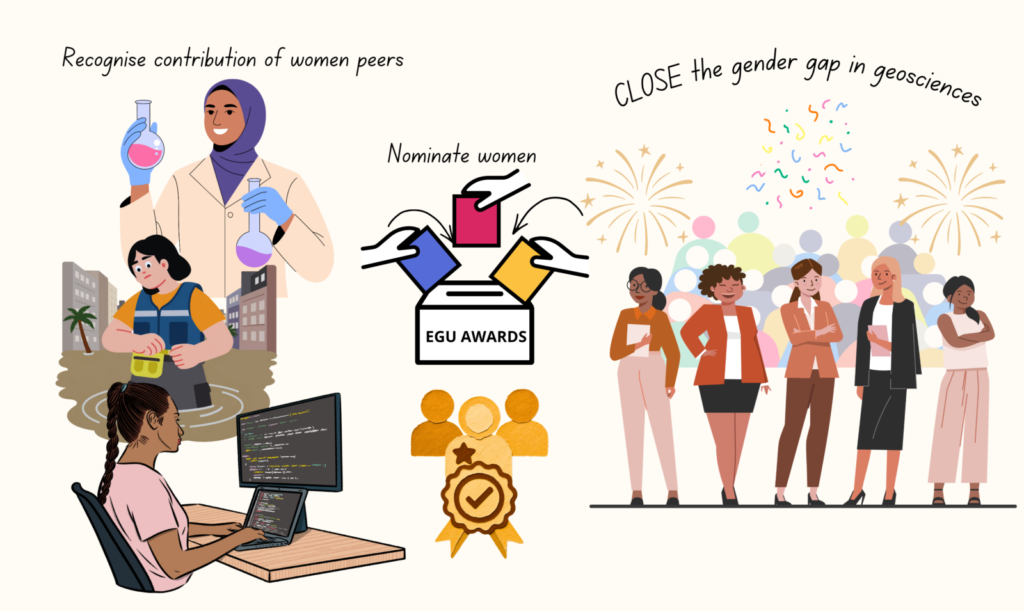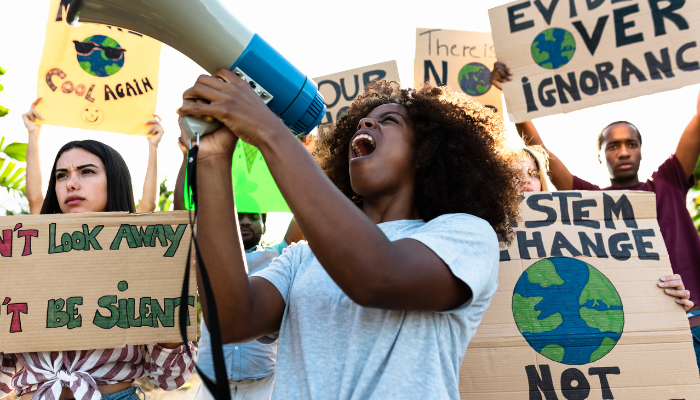
Scientists are often imagined through a narrow and gendered stereotype. This matters because society’s image of scientist shape who is seen, remembered and valued as a role model. When recognition, leadership and awards are skewed towards male scientists, scientists from underrepresented genders are less likely to feel that they belong, or see a future for …[Read More]
Diversity & equality
Improve your chances in hiring processes and proposal evaluations: curate your ORCID
Today – while preparing my latest Sience – CV (SciCV) version for a proposal submission – I noticed that I will soon celebrate my 20th net-academic-age birthday* (see below). No worries, my editorial is not about looking back on my career, but about offering some hints on how to keep up with evolving research evaluation …[Read More]
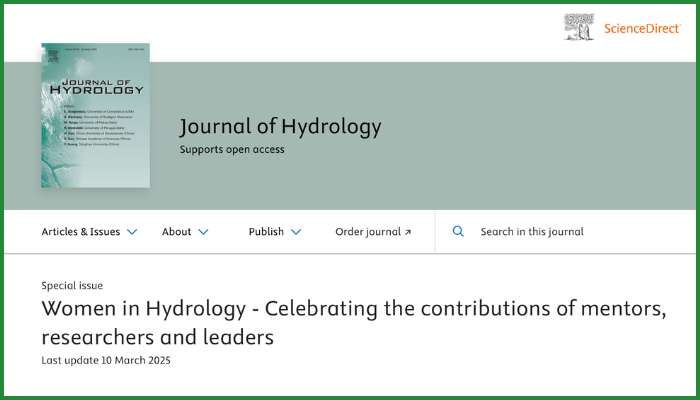
Women in Hydrology – The Story of a Special Issue
It was 2021, and we were not feeling good. COVID-19 was in full force. Personally we were experiencing lockdown conditions, disruptions to our work, schooling and childcare arrangements. Our social media feeds were lighting up with stories about how women scientists were disproportionately exposed to the negative career impacts of the pandemic. The US was …[Read More]
Public engagement in science: how to position ourselves?
The recent student protests against the war in Gaza reminded all of us that being a member of the academic community requires us to reflect upon our role in society. In Switzerland, the university occupations (see SwissInfo) led to several open letter-type reactions from academic staff, either supporting the protests or on the contrary, recalling …[Read More]
Water justice in hydrological research
Water justice has become a crucial discussion in the past decades. Some of the core aspects reflect the questions about who gets involved in the decision-making process, who has access to drinking water, or who gains from flood alleviation schemes. Many hydrologists are struggling to find an answer to these major challenges. The rise of …[Read More]
How far can we take the DORA rules?
DORA stands for Declaration on Research Assessment, also known as the San Francisco Declaration on Research Assessment. The declaration was developed back in 2012 during the Annual Meeting of the American Society for Cell Biology in San Francisco and has become a worldwide initiative since then. The country where you are currently reading this post …[Read More]
Ma Terre en 180 Minutes: reducing our carbon footprint with concrete actions
As with all professional activities, one of the greatest challenges for us, geoscientists, is how to reduce our own CO2 emissions linked to our research activities over the coming decades. A collective of 57 researchers came together in 2021-2022 to promote awareness and concrete action to decarbonize scientific activities: it was the birth of Ma …[Read More]
Where should hydrology go?
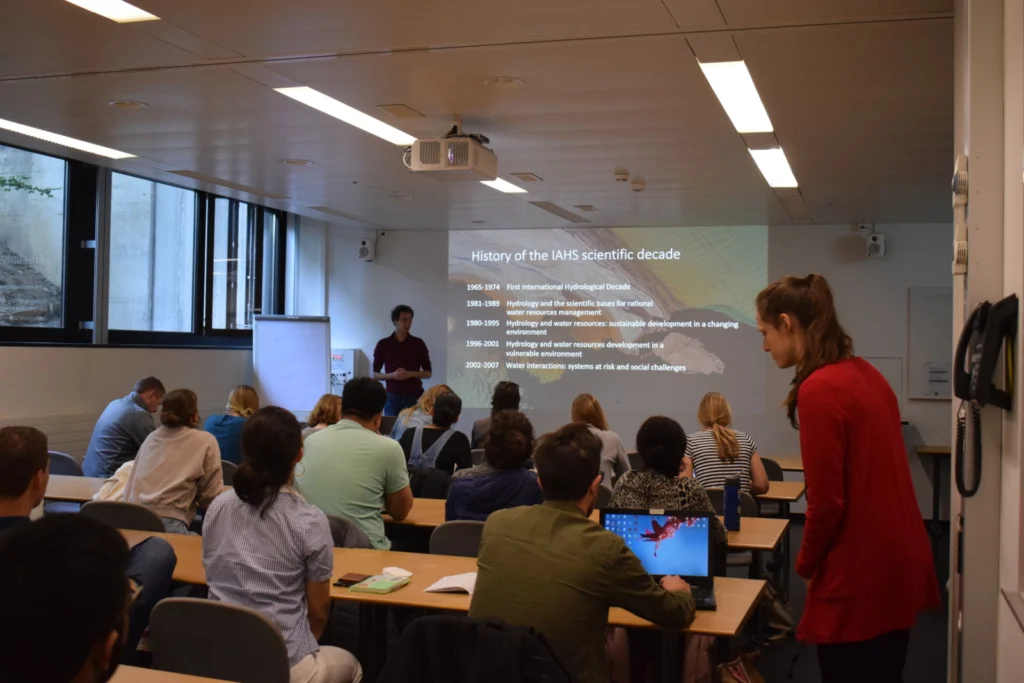
In 1965, UNESCO launched the first International Hydrological Decade to promote hydrology as an independent scientific discipline. This initiative has since grown into a global movement boosting hydrological research around a changing theme: the International Association of Hydrological Sciences (IAHS) Scientific Decades. The last two decades have shown that community efforts can shape the field …[Read More]
A students’ wish list for field courses that leave no one behind
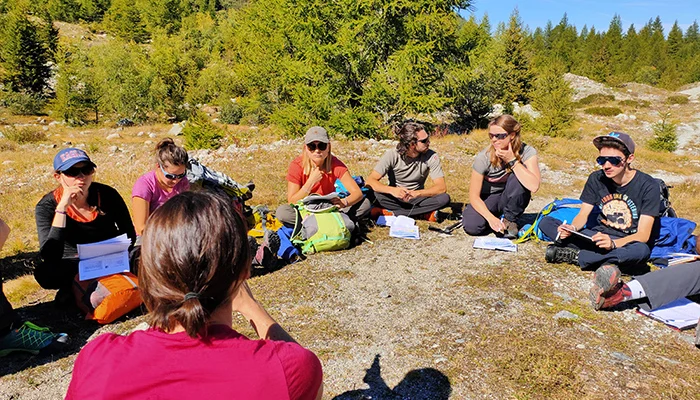
Following an inspiring workshop, as well as our own experiences and informal discussions with students and undergraduate PhD students at the University of Lausanne (see our previous blog post), we collected ideas for a wish list for safe and accessible field classes. It is not exhaustive, and we hope that it will inspire field leaders …[Read More]
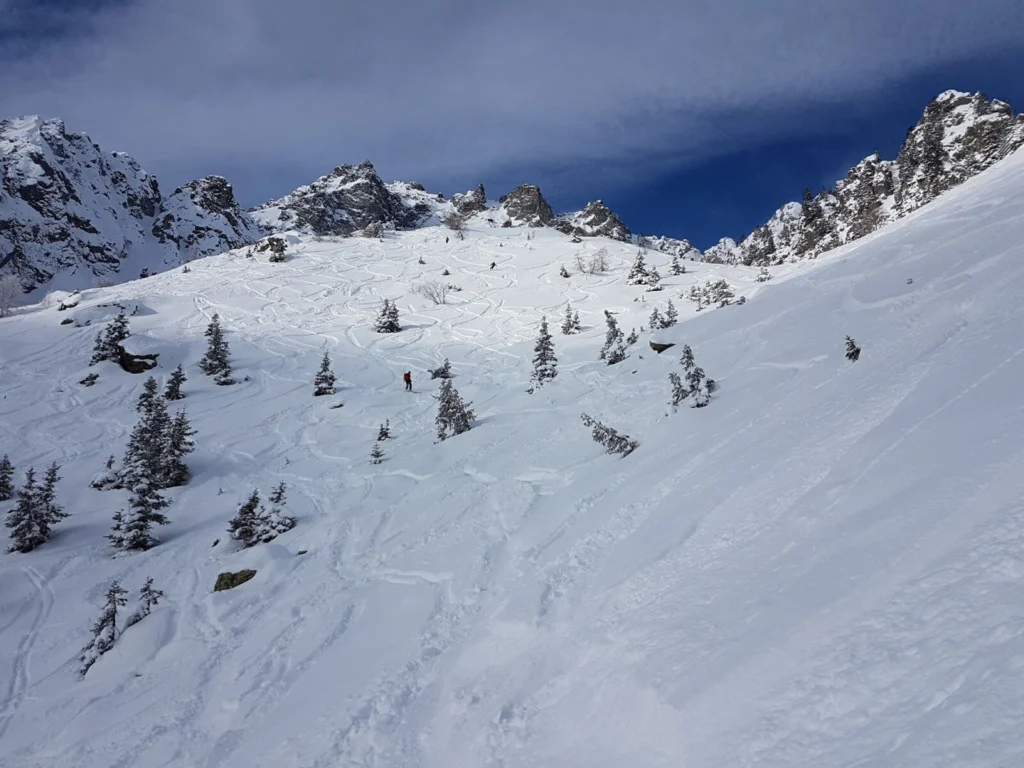
Inclusive fieldwork: issues to care about
Imagine it is your first time going on a field trip. After spending hours in the lecture theatre, you are excited to get outside and see those environmental processes that so far you have only seen in graphs and figures. You get off the bus, and the first thing your professor says is: “people less …[Read More]