HS
Hydrological Sciences

Science, Policy & Society

Reclaiming scientific publishing: Our duty to make science freely accessible to all

Reclaiming scientific publishing: Our duty to make science freely accessible to all
Editor’s note: While this article explores the benefits of Diamond Open Access and critiques commercial, for-profit publishing structures, it is important to note that the European Geosciences Union (EGU) operates on a community-led, transparent, and not-for-profit Open Access model. EGU journals use Article Processing Charges (APCs) strictly to cover publishing costs and support the scientific co ...[Read More]

Hydrotalks: IAHS working group leaders and coordinators on HELPING scientific decade, working groups activities, and writing community papers

Hydrotalks: IAHS working group leaders and coordinators on HELPING scientific decade, working groups activities, and writing community papers

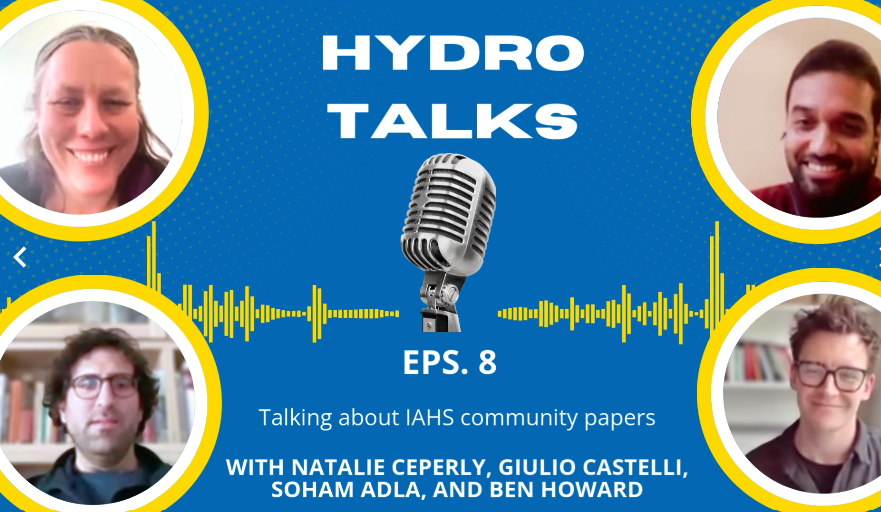
In episode 8 of the Hydrotalks podcast, we hosted four coordinators of  working groups of the HELPING hydrological decade. We warmly welcomed Dr. Giulio Castelli (University of Florence) and Dr. Natalie Ceperley (University of Bern), group co-leaders of Co-Creating Water Knowledge working group; Dr. Soham Adla (ING Bank, Netherlands), a coordinator of Science communication, outreach, and promoting ...[Read More]

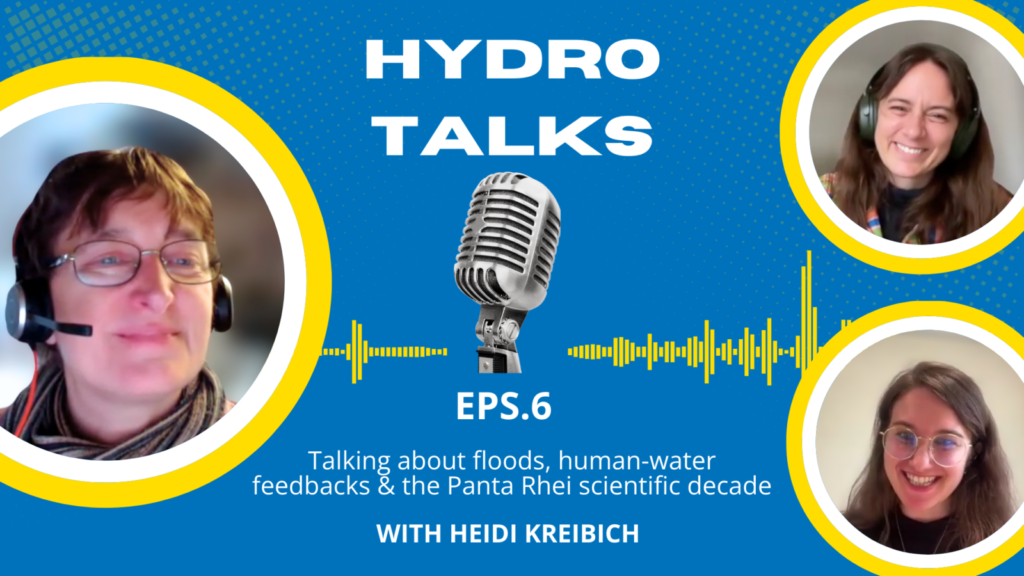
HydroTalks: Heidi Kreibich about Floods, Human-water Feedbacks, and the IAHS Scientific Decade Panta Rhei

HydroTalks: Heidi Kreibich about Floods, Human-water Feedbacks, and the IAHS Scientific Decade Panta Rhei

For this month’s episode of HydroTalks, we’re thrilled to welcome Heidi Kreibich. She is  head of the Section Hydrology at GFZ Helmholtz Centre for Geosciences and senior lecturer at the Geography Department of Humboldt-Universitat zu Berlin. Heidi is also president of the Natural Hazards division of the EGU and president of the International Commission on Human-Water Feedbacks in the IAHS. In add ...[Read More]

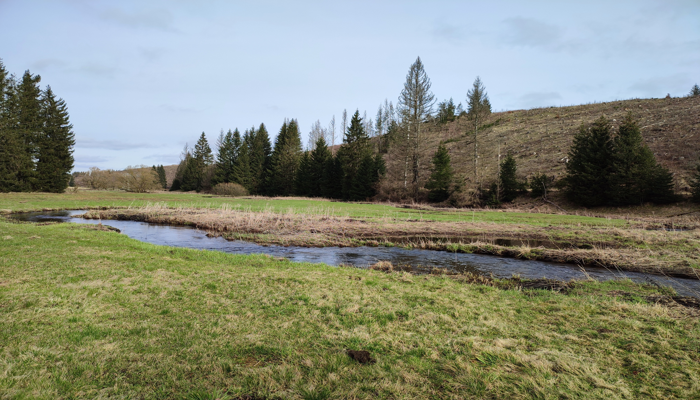
Prevent before repair: What a new hydrology-based index reveals about river ecological status

Prevent before repair: What a new hydrology-based index reveals about river ecological status

When I first began analysing agricultural pressures in German river networks, I expected the familiar story of nutrient loads, pesticide traces and differences between landscapes. What I did not expect was how narrow the ecological safe operating space has become for many rivers. Even small increases in agricultural pressure, especially from pesticides, reduced the likelihood of achieving good eco ...[Read More]

When Droughts Dry Up Power: The Climate-Hydropower dilemma

When Droughts Dry Up Power: The Climate-Hydropower dilemma

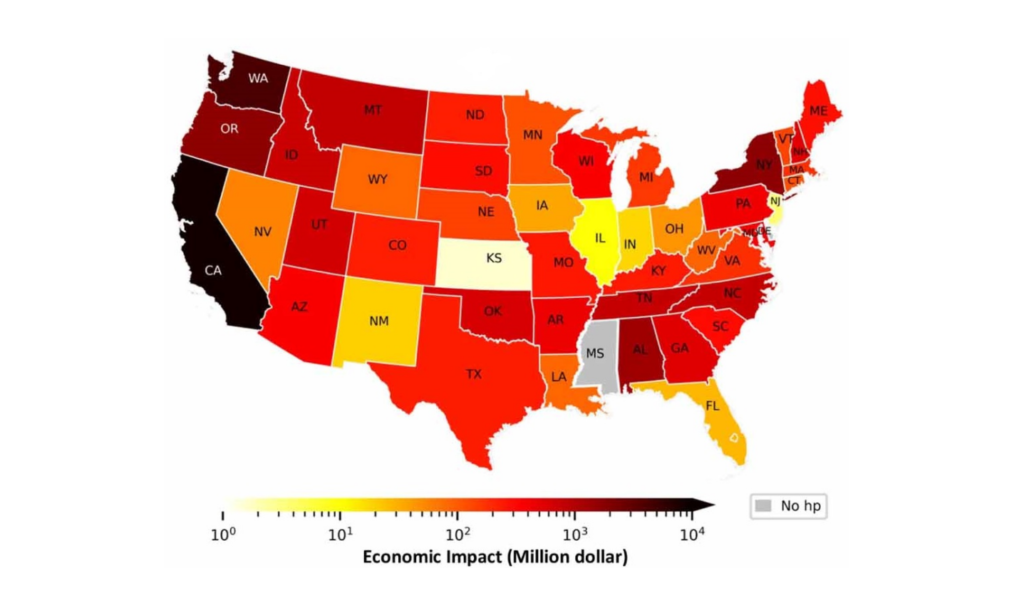
When we think of hydropower, its environmental impacts usually comes to mind: the dams that disrupt ecosystems, the water bodies that shift, the surface evaporation that increases, and the greenhouse gases that escape from reservoirs1. Hydropower, for all its clean energy potential, is not without its environmental baggage, whether on local water resources or the global surface water storage. But ...[Read More]

Midnight stutters of an environmentalist, an open letter to the people and places of the planet

Midnight stutters of an environmentalist, an open letter to the people and places of the planet

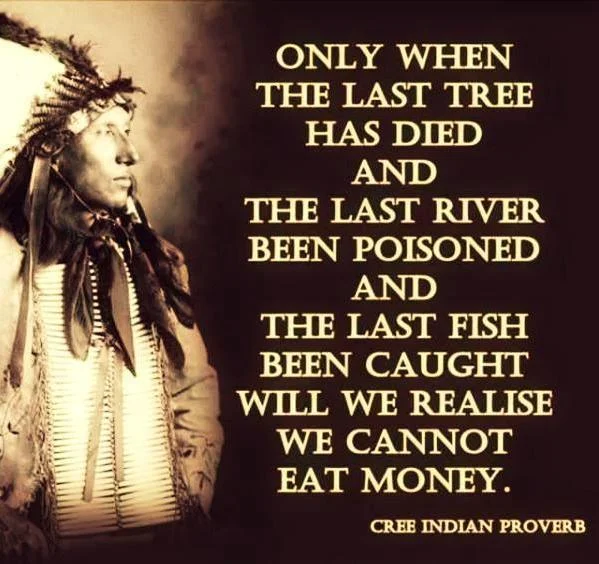
We are in a state of environmental crisis. As someone who knows something about this, i’m really worried about the rising food crisis (due to ongoing wars in regions of russia-ukraine and israel-palestine), and waves of environmental refugees. In this strip of lands, soil is getting ruined daily. Every bomb ruins a patch of soil including moisture, microorganisms, roots, plants, … . Imagine how mu ...[Read More]

Call to participate to the public consultation for the Water4All-Partnership

Call to participate to the public consultation for the Water4All-Partnership

Those of you who are active in proposal writing might know the programme Water4All Partnership – Water Security for the Planet. It is a funding programme for scientific research in freshwater with the goal to address urgent water-related challenges. The programme is co-funded by the European Union within the frame of the Horizon Europe programme (lasting until 2027) and includes 90 partners ...[Read More]

Historical evolution of water management: the example of Switzerland over 200 years

Historical evolution of water management: the example of  Switzerland over 200 years

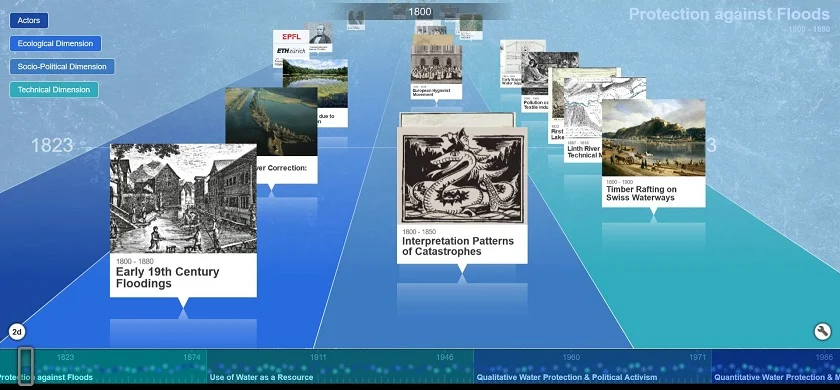
How can we use and manage natural resources more sustainably? This question stands at the core of many social, political and scientific debates about how we can reach the United Nation’s Sustainable Development Goals (SDGs). The targets are ambitious, and there is a growing consensus that rapid and extensive structural change is needed in various sectors simultaneously. However, how transformation ...[Read More]

The water crisis in Bengaluru, India, and its direct link to the degradation of the city’s lake system

The water crisis in Bengaluru, India, and its direct link to the degradation of the city’s lake system

In the heart of India’s rapid urban expansion, Bengaluru city’s escalating water crisis reveals a direct connection to the deteriorating health of its lake systems, once the lifeline of this burgeoning city. Bengaluru has an area of about 741 sq km and a population of 13.6 million (2023) and has been historically celebrated as the “city of lakes.” These lakes are interconnected with canals/ ...[Read More]