GD
Geodynamics

tectonics

Destruction of North China Craton: through the chronotunnel of time
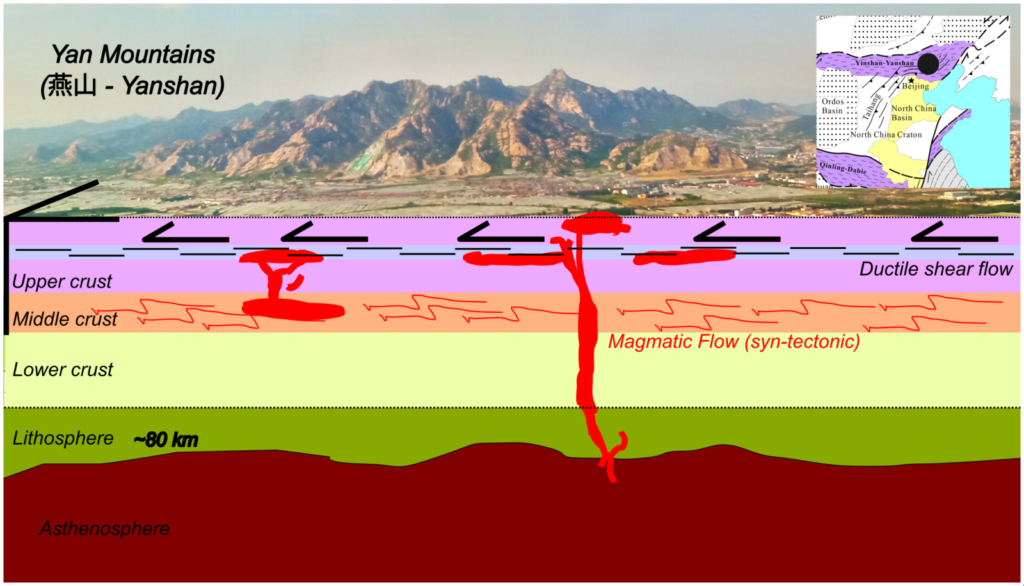
Destruction of North China Craton: through the chronotunnel of time
The Asian continent has fascinated the world for at least 3,000 years with its music, food, and discoveries, as well as its breathtaking landscapes. Most of these incredible landscapes are formed by mountains that can be considered geologically “recent” (such as the Cenozoic formation of the Himalayas). However, there are also ancient terrains, pre-dating the …[Read More]

Building the Earth in a sandbox

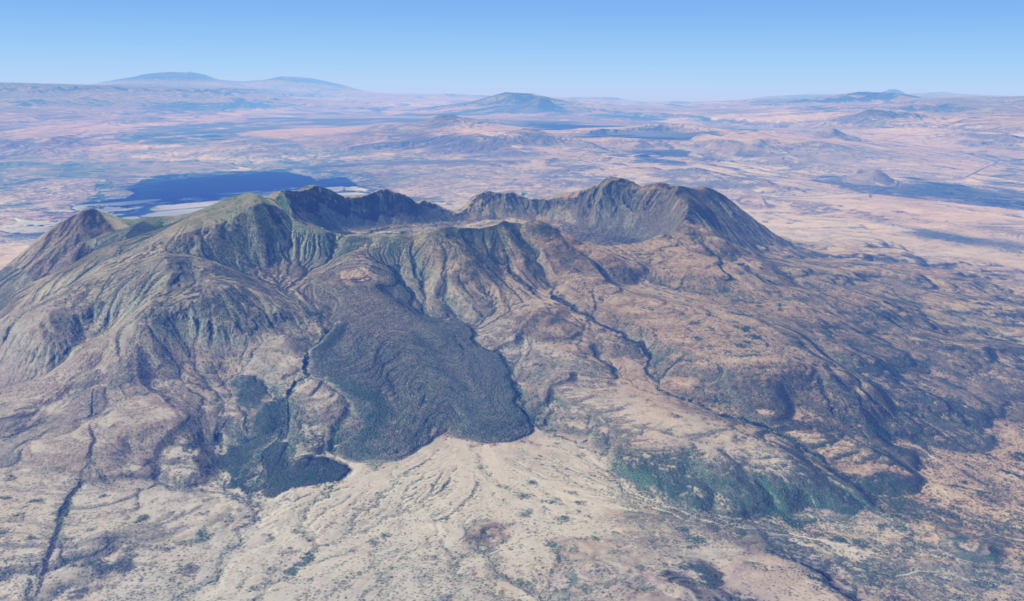
Fentale Volcano

  Building the Earth in a sandbox   The Main Ethiopian Rift stretches for hundreds of kilometers through Ethiopia, a massive fracture where Africa is slowly tearing apart to birth a new ocean. However, the processes driving this continental breakup remain hidden deep beneath layers of volcanic rock and millions of years of geological history. …[Read More]

Geodynamics & Tectonics on-the-go

Geodynamics & Tectonics on-the-go

In 2020, we found ourselves fully immersed in the world of virtual seminar series, a trend that has continued since then. By that time, the blog team made a compilation of seminar series of interest to the Geodynamics community. Four years have passed bringing both new additions and some that have become inactive. It’s now …[Read More]

Back-arc systems: arguably the most influential tectonic feature in the oceanic domain

Back-arc systems: arguably the most influential tectonic feature in the oceanic domain

Dr. Anouk Beniest, an Assistant Professor in Tectonics at the Vrije Universiteit Amsterdamat, is an interdisciplinary earth scientist, bringing together geology, geophysics and geodynamics to help us understand complex geological problems. Her research revolves predominantly around plate tectonics, with a focus on extensional systems and she has kindly put together this blog post to convince …[Read More]

Application of lubrication theory in understanding subduction interface dynamics

Application of lubrication theory in understanding subduction interface dynamics

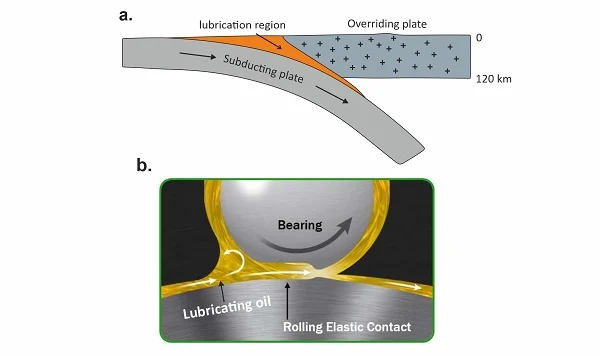
Plate interface lubrication is essential for stabilization and continuation of subduction process for million of years. The magnitude of plate interface lubrication determines transfer of stress between two converging plates, topography of mountain belts, transportation of volatiles to the mantle, and return flow of high to ultra-high pressure rocks to the earth’s surface.  In this …[Read More]

Journey of the Indian plate

Journey of the Indian plate

Plume craton interaction is a fascinating geological phenomenon. The Indian plate, which has experienced several plume eruptions underneath it, is one of the best locations to study the effect of plume craton interaction. In this week’s news and view, I will provide an overview of the controversy and hypotheses related to the plume craton interaction …[Read More]

The short story of my PhD

The short story of my PhD

PhD students’ struggles are alike; each succeed in their own way[1] It was a Friday morning, and nearly 3 years had passed since I arrived at Sydney. This meant, I only had one month left to submit my thesis! No sooner had I entered my office than a feeling of anxiety had found me. I …[Read More]

The boundaries of plate modelling

The boundaries of plate modelling

This weeks post is all about the importance of boundaries. Plate boundaries that is. Jean-Christophe Wrobel-Daveau and Graeme Nicoll tell us why we should care where plate boundaries are and how they evolve through time, when attempting to reconstruct past plate motions. Global plate tectonic models are an incredible way to synthesise geological knowledge to …[Read More]