GD
Geodynamics

tectonics

Modelling the deformation in the Indian plate and the India-Eurasia collision zone
Modelling the deformation in the Indian plate and the India-Eurasia collision zone
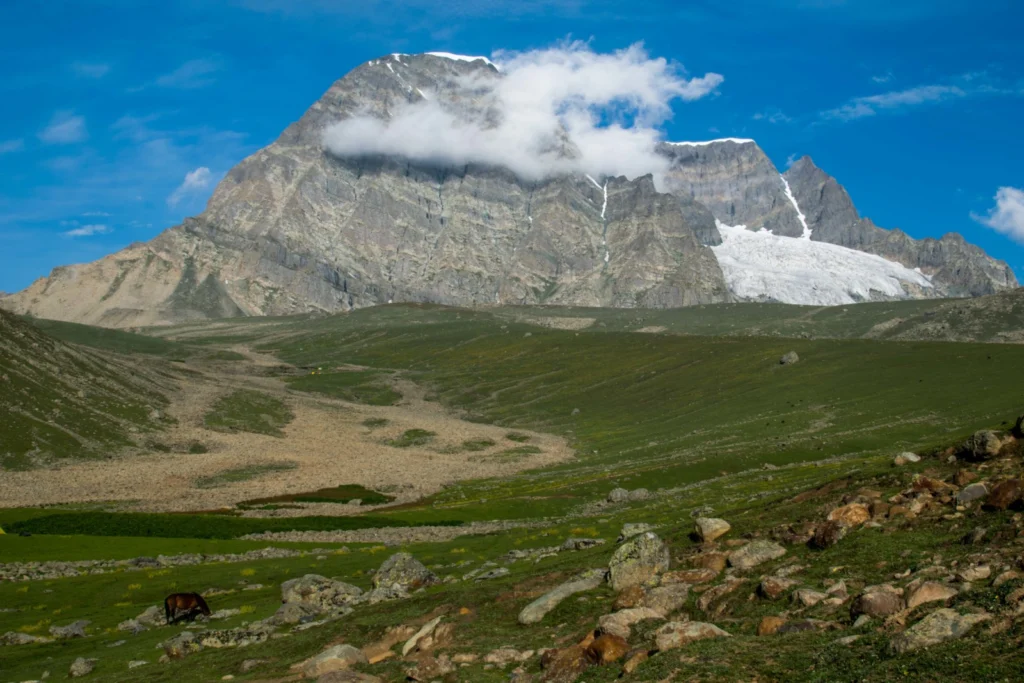
A complete fluid dynamical approach of modeling the Earth’s deformation can not provide a complete picture due to presence of rigid lithospheric plates. In this week’s news and views, Srishti Singh, scientist at National Geophysical Research Institute, India, explains how coupled models of lithosphere dynamics and mantle convection are developed.  The ongoing collision of the Indian plate …[Read More]

2021: 100th year of the craton concept and beyond

2021: 100th year of the craton concept and beyond

One hundred years back, Leopold Kober first introduced the term “Kratogen”. With time, the concept of kratogen has evolved, and they are now known as cratons. In this week’s news and views, Jyotirmoy (@GeophyJo), a PhD student from the Indian Institute of Science revisits the history of craton science: how the craton concept has evolved and …[Read More]

The Sassy Scientist – The Story of Plate Tectonics

The Sassy Scientist – The Story of Plate Tectonics

As a new coping mechanism with reality, Sascha has been digging into some science history and asked: How did scientists discover plate tectonics? Dear Sascha, I do enjoy a good walk on the memory lane of scientific discoveries. You might know by now that great insight is gained when we look at data with fresh …[Read More]

Advanced geodynamic models of giant earthquakes

Advanced geodynamic models of giant earthquakes

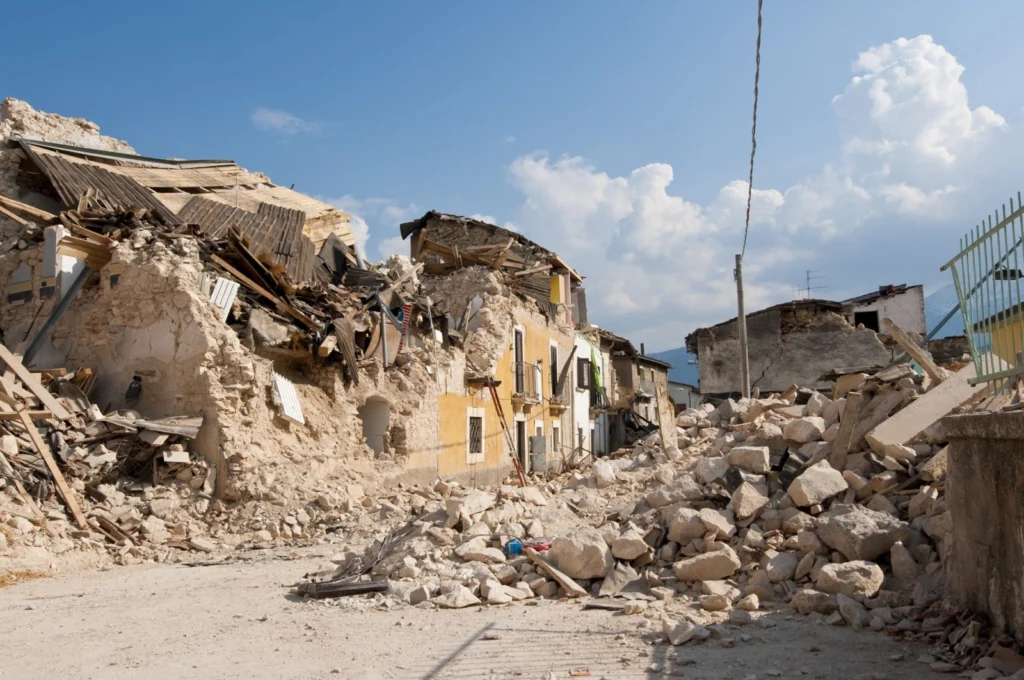
Though giant earthquakes are disastrous, they provide essential information to investigate earthquake physics. In this week’s news and views, Thyagarajulu Gollapalli, a PhD student jointly from the Monash University and the Indian Institute of Technology, Bombay, discusses our present understanding of such big earthquakes and how advanced numerical models will help to get a more …[Read More]

The Sassy Scientist – The Cricetinae Model

The Sassy Scientist – The Cricetinae Model

Despite workshops and seminars and conference sessions and Zoom colloquia, of which Geraldine has attended many, one big question remains in geophysics: What drives plate tectonics? Dear Geraldine, Slab pull? Ridge push? Mantle drag? Continental keels? Super plumes? Mantle wind? Expanding Earth? God? Nope, there is only one explanation that truly fits the data and …[Read More]

Understanding intraplate earthquakes

Understanding intraplate earthquakes

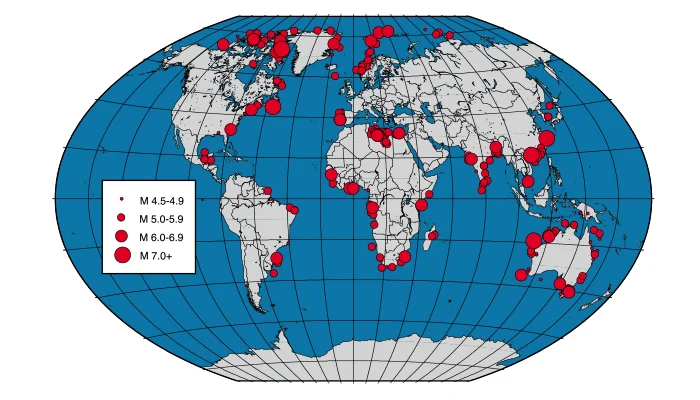
  One of the basic tenets of plate tectonics states that deformation occurs along plate boundaries while plate interiors remain almost undeformed. Intraplate earthquakes  defy this principle and hence are quite enigmatic.  In this week’s News and Views, Prof. Attreyee Ghosh from the Centre for Earth Sciences, Indian Institute of Science, tries to explain the …[Read More]

The Sassy Scientist – Rock-‘N’-Roll

The Sassy Scientist – Rock-‘N’-Roll

Aïda rummages around within the lavish ball pit of rock samples as often as not, but is left unsure which rock type should be her number one: What is your favourite rock? Dear Aïda, I’ll be honest with you. Yeah, I’m surprised too… I don’t occupy myself that often with constructing countdown lists of rock …[Read More]

Can plume-lithosphere interaction initiate a modern subduction zone?

Plume-induced subduction inititation?

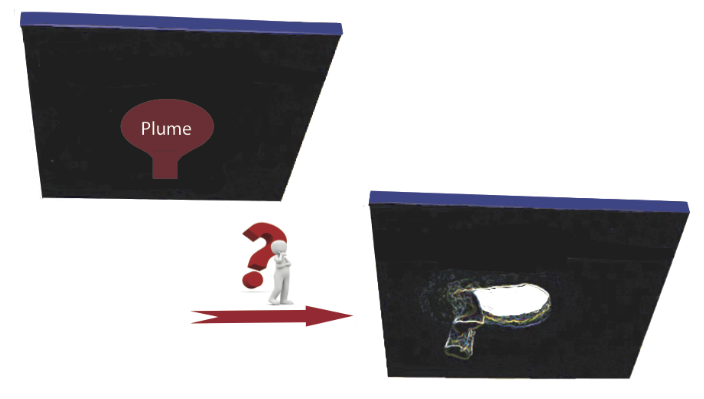
This week in News & Views, dr. Marzieh Baes from GFZ Potsdam introduces us to the mechanisms behind subduction initiation. Moreover, she discusses the different types of subduction initiation in reaction to plume-lithosphere interaction that she observed in her recent 3-d numerical modelling study. Possible scenarios of subduction initiation According to plate tectonics, oceanic plates …[Read More]

Travel log – The Kenya rift

Travel log – The Kenya rift

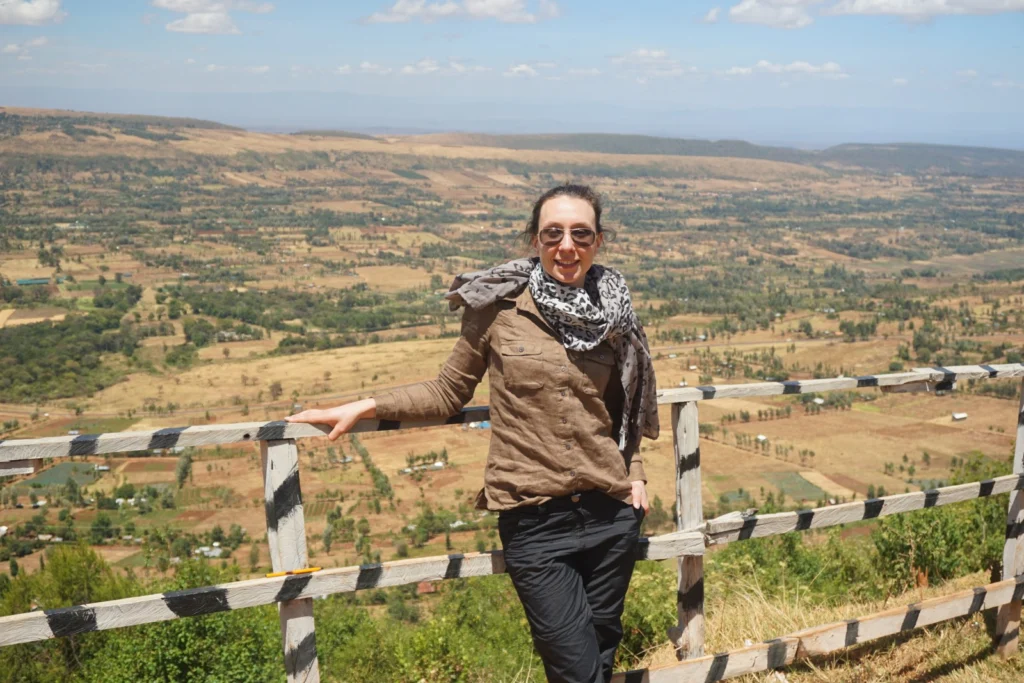
A little over a year ago, I was lucky enough to join a field trip to the Kenya rift organized by Potsdam University and Roma III. This rift is part of the active East African Rift System, which I introduced in a previous blog post. With a group of 25 enthusiastic participants from Roma Tre, …[Read More]