In 2020, we found ourselves fully immersed in the world of virtual seminar series, a trend that has continued since then. By that time, the blog team made a compilation of seminar series of interest to the Geodynamics community. Four years have passed bringing both new additions and some that have become inactive. It’s now …[Read More]
geodynamics
Biogeodynamics – Let’s model the entire world!
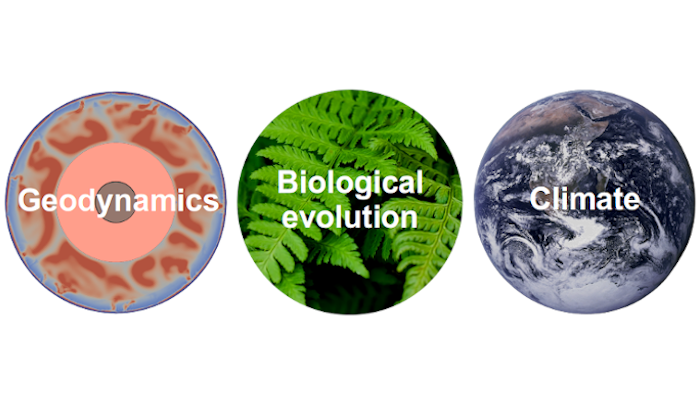
All models are wrong, but some are useful – we all have heard this quote. But it raises several questions (including but not limited to) – What would a model of the entire world look like? Can you couple geodynamical models with climate and biological evolution models? Would these models be useful? In this week’s …[Read More]
Exploring rheology of Earth’s materials: The marvels of high-temperature high-pressure deformation experiments
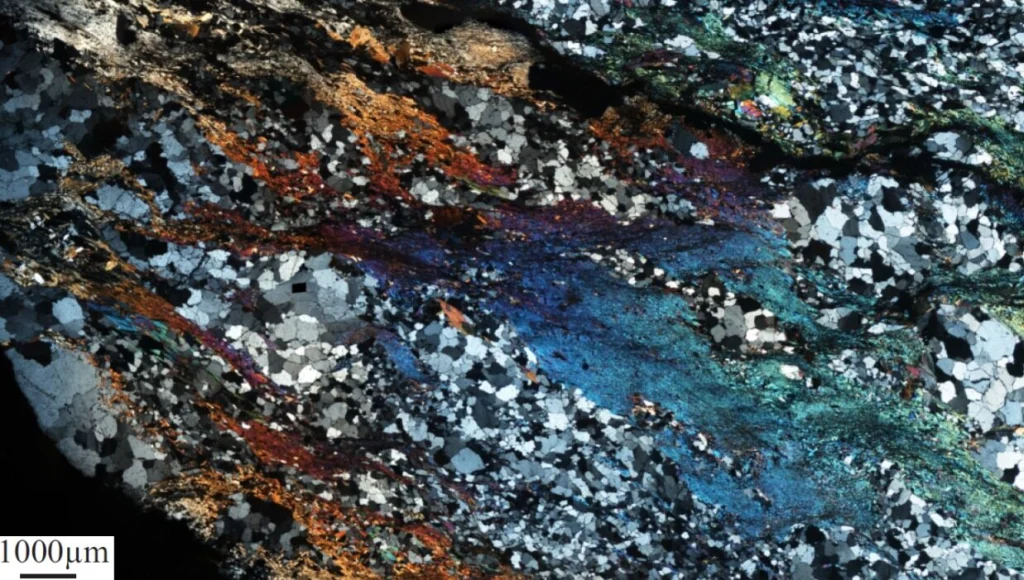
The Earth, with its towering mountains, shifting tectonic plates, and dynamic geological processes, has always been a subject of fascination and inquiry for scientists. Amidst the vast array of scientific disciplines, one relatively small yet impactful field, known as experimental rock deformation, plays a crucial role in unraveling the mysteries hidden beneath the Earth’s surface. …[Read More]
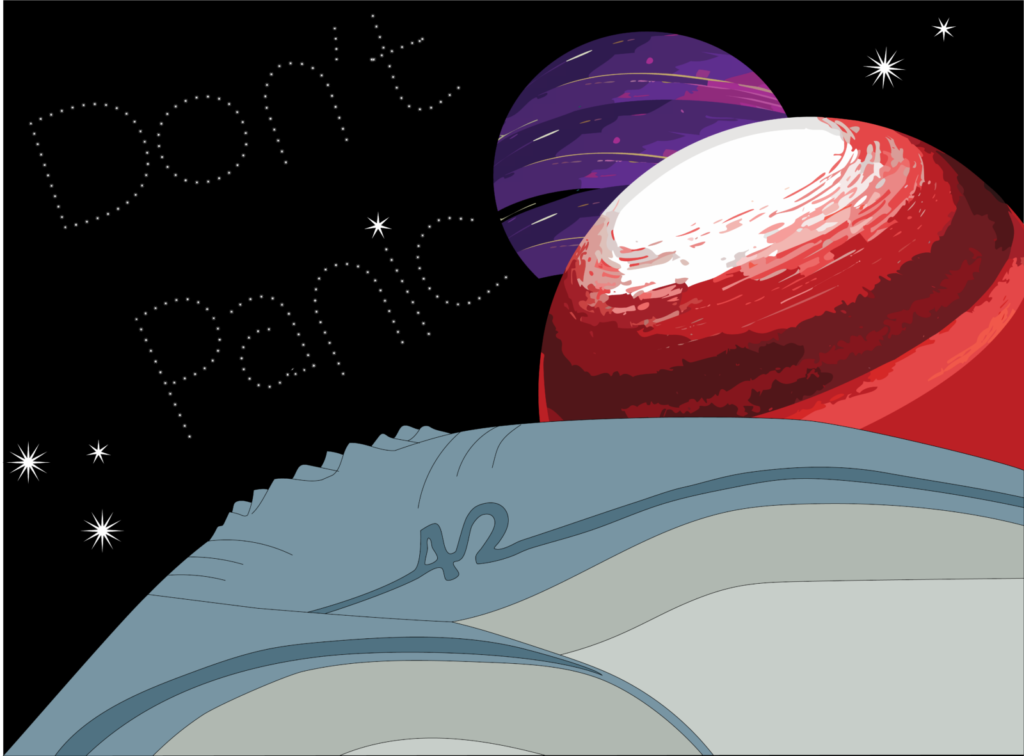
Equilibrium Crustal Thickness and Dynamics of Earth’s Lithosphere: The Answer is 42.
“The Hitchhiker’s Guide to the Galaxy” had the answer; we think we have the right question. This week, Ajay Kumar from IISER Pune, India, will take us on a journey to the depths of the Earth’s lithosphere – a world as mysterious as the farthest reaches of the Universe. We will see what the thickness …[Read More]
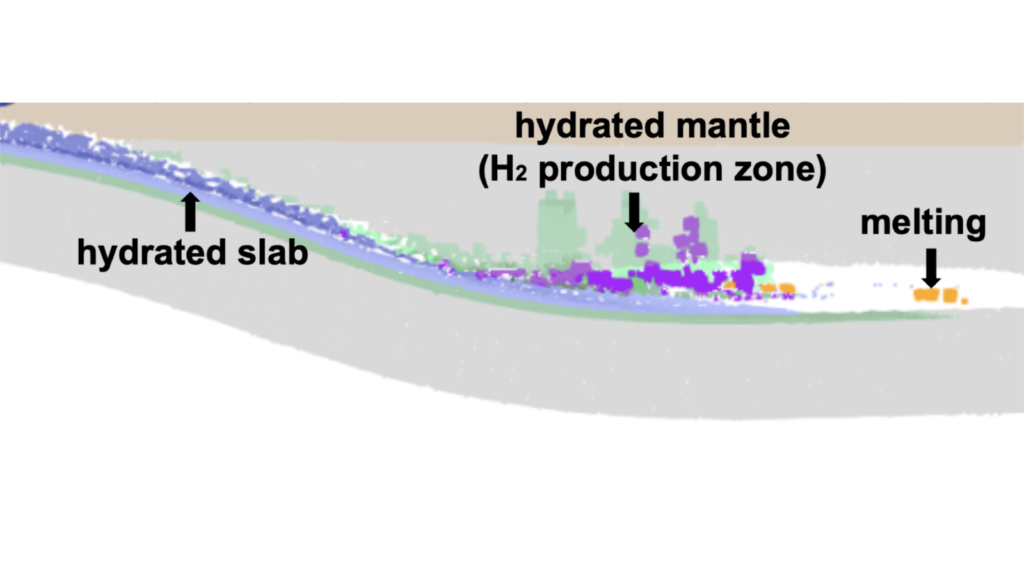
H2 production associated with mantle wedge hydration in subduction zones
Dihydrogen (H2) is a promising source of energy that may allow reducing carbon emissions in industry and transportation. Artificial production methods have been explored, natural sources of H2 (also called white dihydrogen) offer a more eco-friendly and cost-effective production process. In this week’s blog post, Alexis Gauthier, a PhD student from ISTeP, France, is discussing …[Read More]
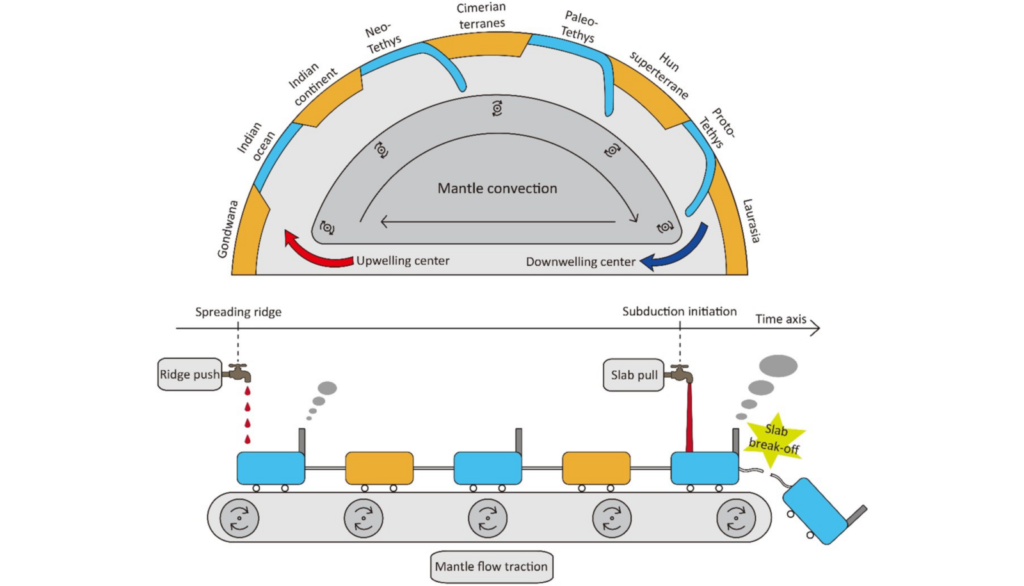
Multiengine-driving Tethyan evolution
The highest mountain range in the Alps in the Western Europe, the towering peaks of the Himalayas in Asia, and ~1/3 world crude oil production in the middle east – what brings these remarkable nature gift together? The answer is Tethyan orogenic belt, which spans across the entire Eurasian continent. This week, we are privileged …[Read More]
Geodynamica: Earth & Planets – a new diamond open access journal!
Do you want to publish and access papers for free? Do you want to improve the system by promoting equitable publishing alternatives? Then read on to learn about Geodynamica: Earth & Planets: a new community-powered Diamond Open Access Journal (DOAJ)! Join the conversation on discord by following this link. Diamond Open What? Diamond Open Access …[Read More]
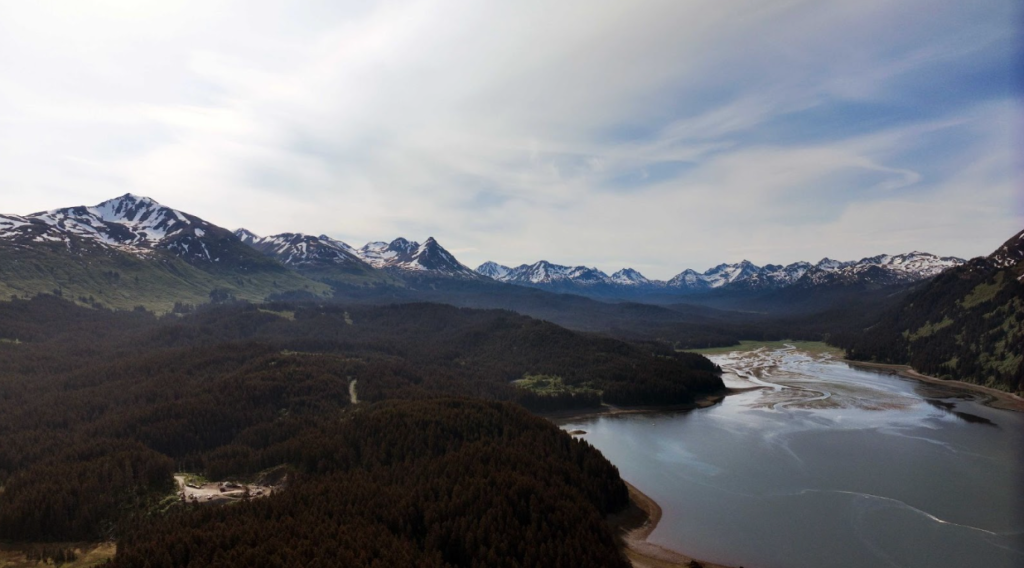
Geoscience in Alaska: From Fjords to Flysch
In this week’s blog post, one of our blog illustrators, Emily Hinshaw will take us on a journey to the faraway land of Alaska, which is well known for its rugged terrain, exciting wildlife, and being very remote. Despite these challenges, and many others, Emily loves this work and feels very lucky to be part …[Read More]
Mantle, Mountains and Molluscs
Geodynamic models and landscape evolution models are becoming important tools to quantify the formation and development of paleogeographic features, contributing to our understanding of the patterns of biodiversity evolution. Earth, a dynamic system The Earth’s surface works as a dynamic system and is continuously sculpted through the geological timescale by weathering, wind, rivers, and many …[Read More]
Dual inward dipping subduction: A Christmas Cracker Model
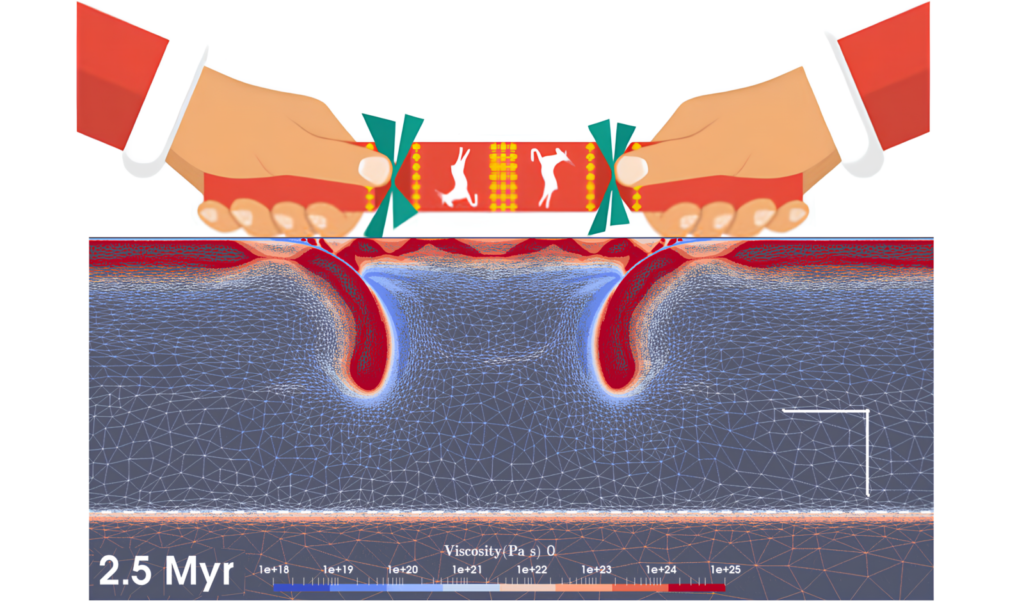
A recent research finds that dual inward dipping subduction framework, after considering thermal dependent deformation mechanisms, can pull apart the middle overriding plate (Lei and Davies, 2023), just like pulling Christmas crackers from both ends! Dual inward dipping subduction (DIDS) occurs when the overriding plate is decoupled with two subducting slabs dipping towards each other. …[Read More]