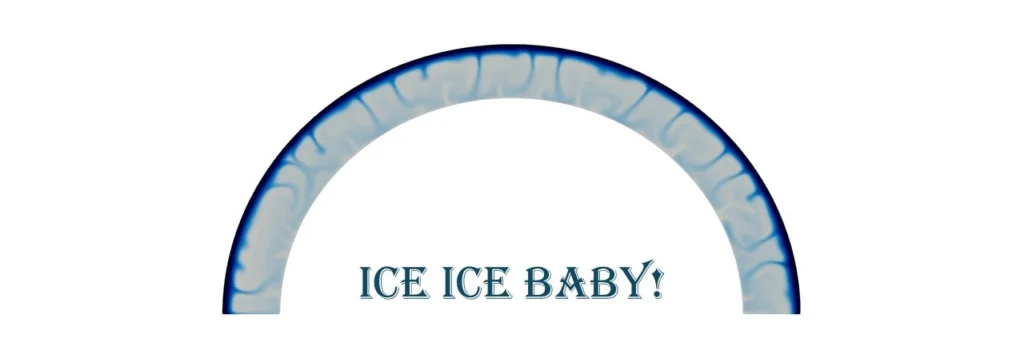
Ganymede, one of the Galilean moons of Jupiter and the largest in the Solar System, has caught the scientists’ attention due to its potential for hosting life. The JUICE mission, launched from the Guiana Space Centre in French Guiana on 14 April 2023, is on its way to orbit and conduct experiments on the Galilean moons (Ganymede, Europa, and Callisto), with particular emphasis on characterizing G ...[Read More]
Geodynamics 101
Linking the Earth’s Engine and Landscape Formation and Evolution
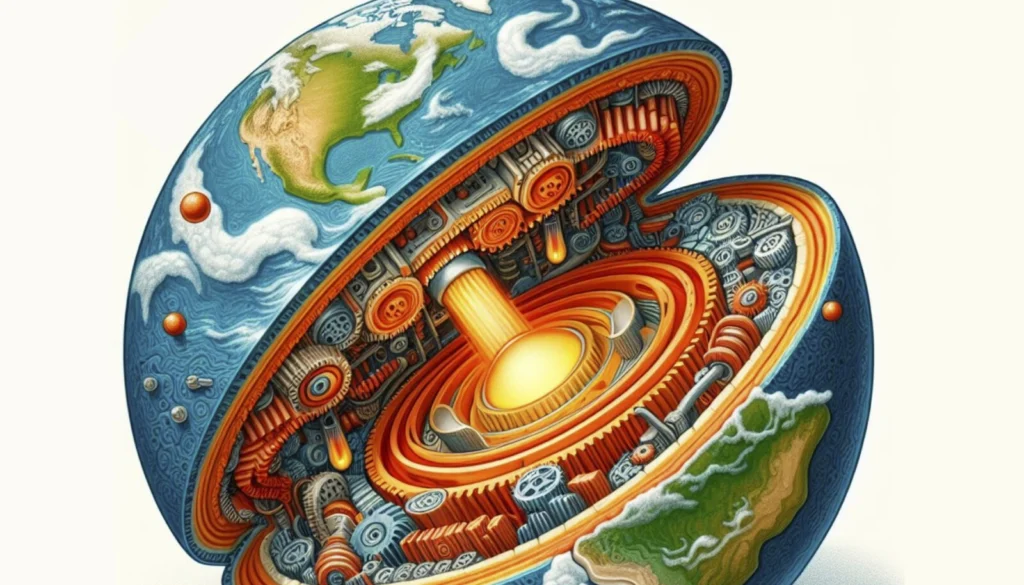
The Earth’s internal engine drives several geodynamic processes such as continental rifting and dynamic topography, shaping mesmerizing landscapes. Through numerical modeling, insights into formations like the Continental Rift of Southeastern Brazil deepen our appreciation of Earth’s dynamic nature and the forces sculpting its surface. The heat engine beneath our feet Not so long ago, ...[Read More]
Exploring rheology of Earth’s materials: The marvels of high-temperature high-pressure deformation experiments
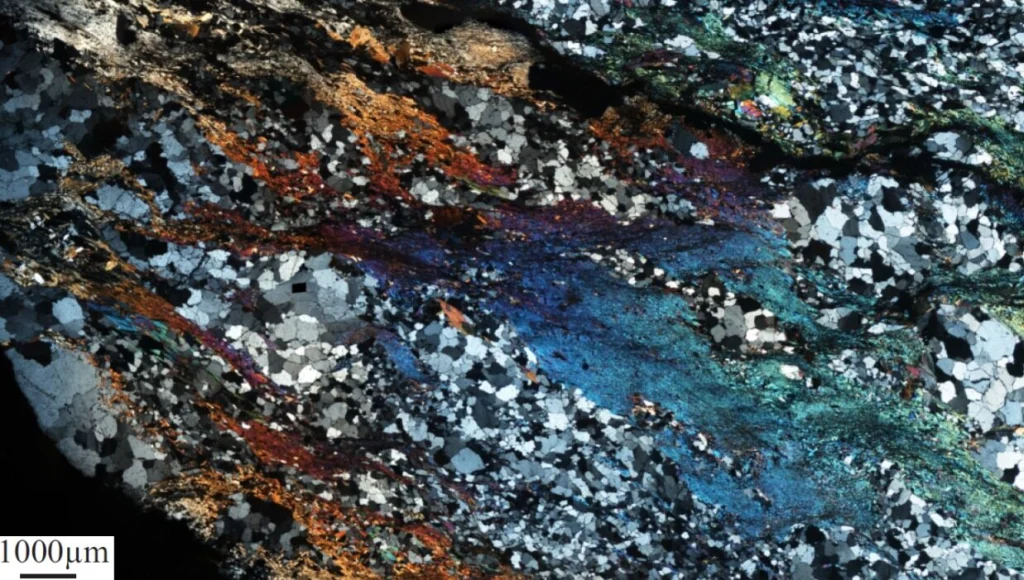
The Earth, with its towering mountains, shifting tectonic plates, and dynamic geological processes, has always been a subject of fascination and inquiry for scientists. Amidst the vast array of scientific disciplines, one relatively small yet impactful field, known as experimental rock deformation, plays a crucial role in unraveling the mysteries hidden beneath the Earth’s surface. Though th ...[Read More]
Animating the past using numerical modeling
The human lifespan is too short compared to the geological time. To comprehend long-term phenomena, numerical modeling emerges as an imperative approach. But, there are several ways for visualizing the output of these models. Among these, animations stand out as a powerful tool, allowing us to watch the dynamic evolution of our planet over geological epochs like a movie. Our lives are too short co ...[Read More]
Multiengine-driving Tethyan evolution
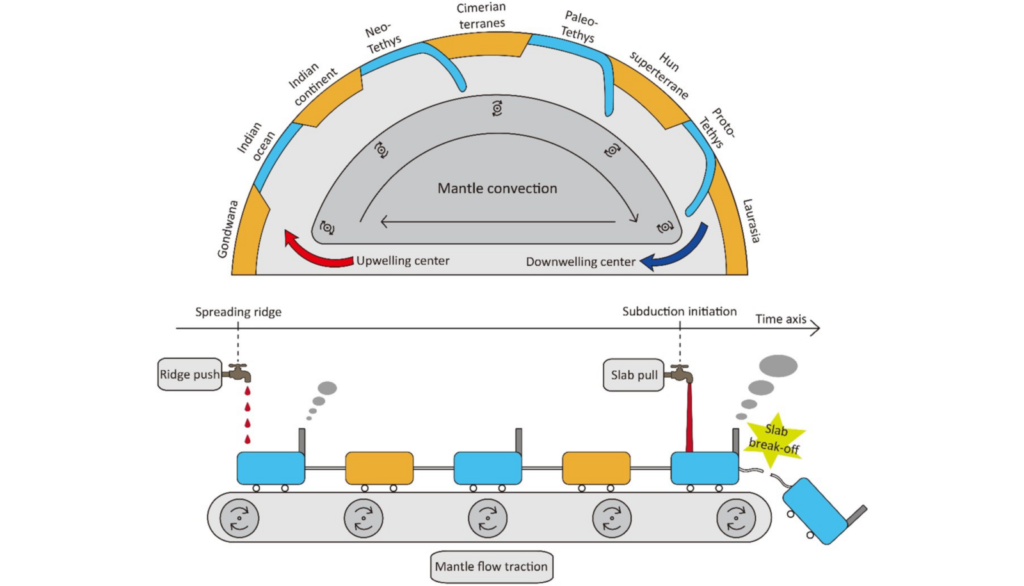
The highest mountain range in the Alps in the Western Europe, the towering peaks of the Himalayas in Asia, and ~1/3 world crude oil production in the middle east – what brings these remarkable nature gift together? The answer is Tethyan orogenic belt, which spans across the entire Eurasian continent. This week, we are privileged to have Prof. Zhong-Hai Li from the University of Chinese Academy of ...[Read More]
Exploration of Deep Earthquakes and Planetary Interiors
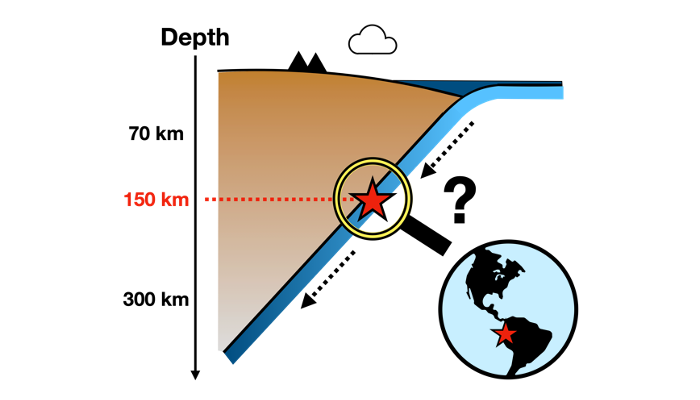
Most earthquakes on Earth start in the shallow, brittle part of the planet. However, there are several regions where earthquakes happen deep in the mantle. Where are these regions? Why do these earthquakes get so deep? In this week’s blog post, Ayako Tsuchiyama from the Massachusetts Institute of Technology (MIT) takes us on a journey into the mysterious world of deep earthquakes. Growing u ...[Read More]
Mantle, Mountains and Molluscs
Geodynamic models and landscape evolution models are becoming important tools to quantify the formation and development of paleogeographic features, contributing to our understanding of the patterns of biodiversity evolution. Earth, a dynamic system The Earth’s surface works as a dynamic system and is continuously sculpted through the geological timescale by weathering, wind, rivers, and many othe ...[Read More]
T for temperature in seismic [T]omography and more
Seismic tomography, a powerful geophysical technique, is like the Sherlock Holmes of the Earth’s interior. It helps us uncover crucial information about the lithosphere and mantle, including temperature and density distributions. Understanding these physical properties is vital for a wide range of geological applications, from identifying regions of strain localization to assessing geotherma ...[Read More]
On the usefulness of geodynamic numerical models
Within the vast realm of geoscience, the intricate mechanisms governing Earth’s internal processes continually pose challenges for researchers attempting to unveil its mysteries. This blog post acknowledges the inherent limitations of geological and geophysical data while highlighting the important role that geodynamic modeling plays in bridging these datasets. The motivations for this discu ...[Read More]
How does slab tearing evolve?
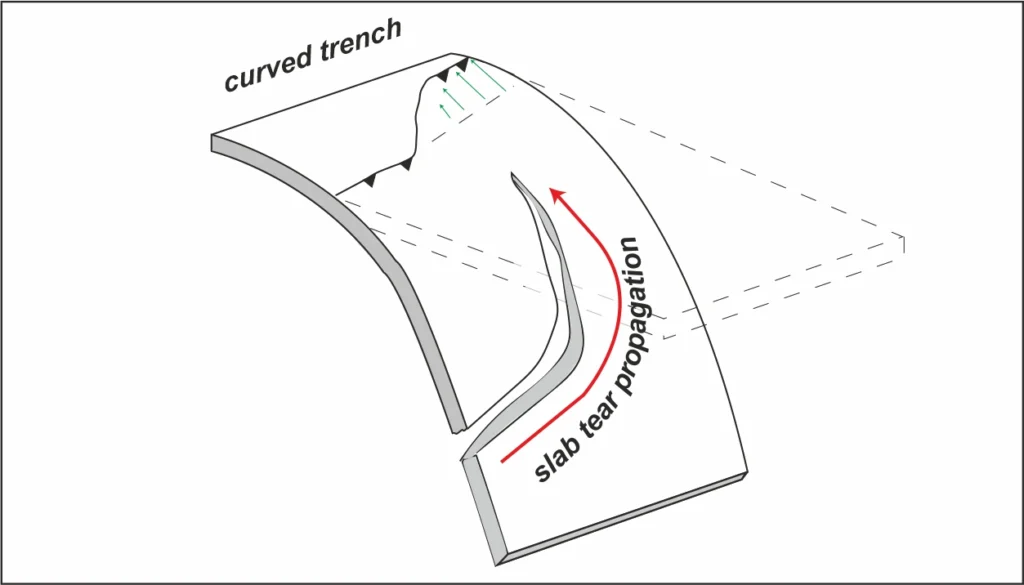
Slab tearing refers to the gradual propagation of the break-off of a subducting plate. As observed in numerous modern and ancient convergent tectonic settings, the growth of the tear “window” in the downgoing plate has strongly influenced various geologic and geodynamic processes, such as depocenter migration of foreland basins, uplift rates in mountain ranges, earthquakes, volcanism, and flow pat ...[Read More]