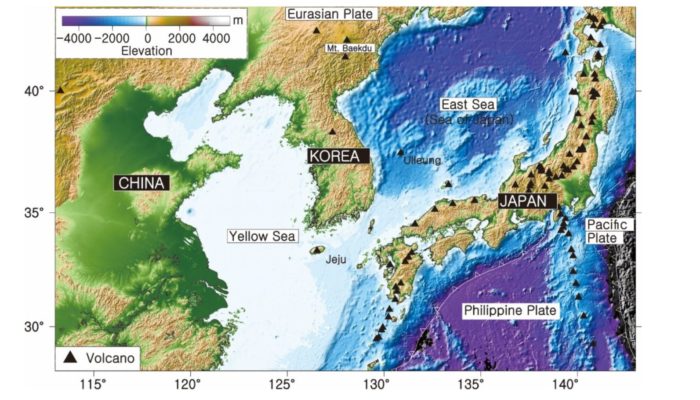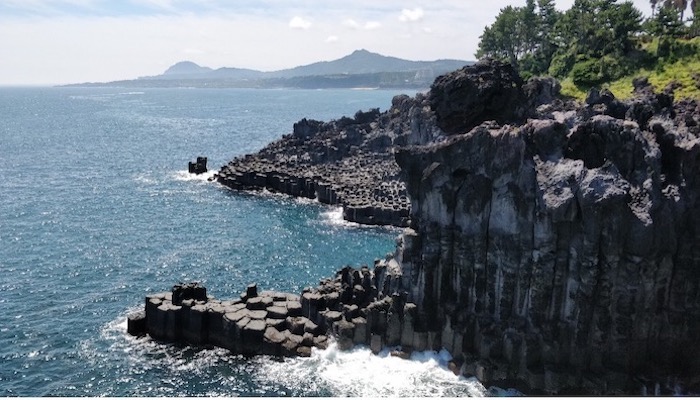
Northeast Asia may be one of the best natural laboratories to investigate both arc and intraplate volcanisms which have developed since the mid-Miocene. The arc volcanoes have occurred above the sinking young (Philippine) and old (Pacific) oceanic plates in Southwest and Northeast Japan subduction zones, respectively. The intraplate volcanoes across the Korean Peninsula and China have occurred abo ...[Read More]
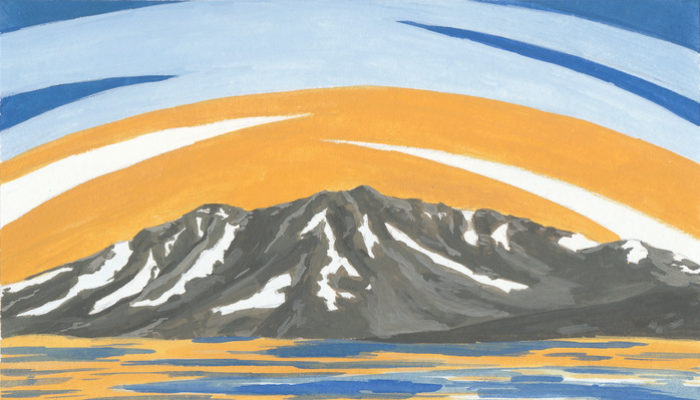
Unravelling the geological past of the Sierra del Nevado, in South Andes, Argentina
Have you ever wondered to learn more about the geological setting of the Nevado volcano in Central-West Argentina? In this week’s blog, we have Georgina Rubiano Lorenzoni, a Ph.D. Geologist student from the Universidad Nacional de La Pampa in Argentina, who will guide us through her thesis aims, which are the identification and investigation of the petrogenesis and geochronology of the mountain ra ...[Read More]
Earth Science Beyond Academia
Although a career in academic research is a great choice for some, the majority of PhD students will pursue careers outside of universities and research institutes. This week, we learn about the experiences of PhD and Masters students who are embarking on successful careers beyond academia. Name: Deborah Wehner Degree: PhD in Earth Sciences New field: Tech Current Role: Software Developer E ...[Read More]
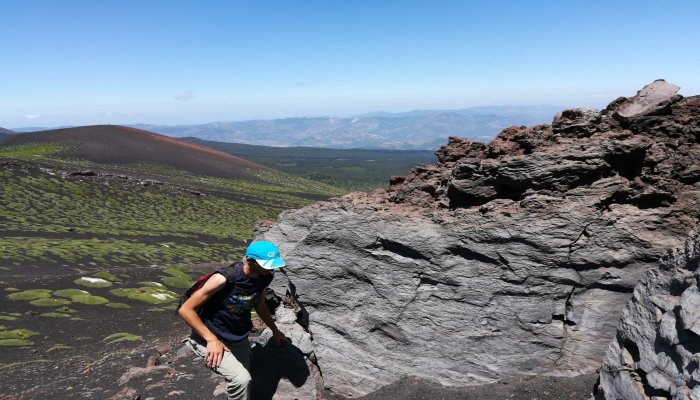
The “Geo-journey” of a PhD Candidate Geophysicist from Sicily to Uppsala.
Does the sound of pursuing a Ph.D. terrify you? Well, fear not because this week we have Samuel Zappalà from Uppsala University to tell us more about his inspiring story as a Ph.D. student at the Department of Earth Science in Uppsala. And, who knows maybe you will be inspired to pursue a Ph.D. in the future? How many times have you wondered if it is worth taking the risk to pursue a Ph.D. abroad, ...[Read More]
The Marie Skłodowska-Curie Postdoctoral Fellowship
The summer months are often considered the cucumber season both in politics and in academia. However, there are several young researchers who use these months to work like crazy on proposals for the Marie Skłodowska-Curie Actions Postdoctoral Fellowship call. To give some inspiration to these young academic adventurers, I asked some current and recently awarded MSCA Fellows to share their experien ...[Read More]
How to find your next job in Earth sciences?
An open and free platform for vacancy pages in Earth Sciences for academics
Democratising the concept of risk: The Tomorrow’s Cities Decision Support Environment
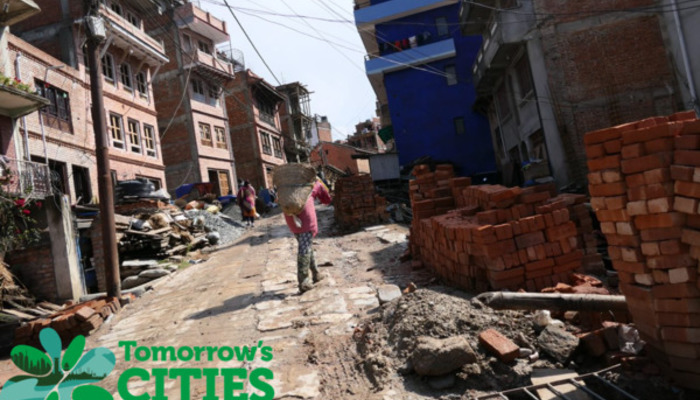
Curious to gain an insight into how we can battle the rapid urbanisation and reduce the disaster risk for the poor people in the future? This week, Dr. Roberto Gentile, Lecturer in Catastrophe Risk Modelling at the Institute for Risk and Disaster Reduction – University College London, talks about the Tomorrow’s Cities Decision Support Environment for risk-informed, pro-poor urban planning, and des ...[Read More]
Introducing the new blog team!
It’s that time of year again! Another EGU General Assembly has passed. Another EGU Geodynamics blog team has been assembled! Now with a blog team bigger than ever! Whoohoo! So let me introduce you to the amazing blog team of 2022-2023 who will start blogging in earnest from next week onwards. If you are interested in joining yourself or want to reach out to anyone from the blog team, donR ...[Read More]
There’s more to Geoscience than just oil and gas
When most people hear Geology, they might think ‘rocks’, ‘diamonds’ or ‘oil and gas’, and these perceptions of the Geosciences vary from country to country. This week, we have PhD student Ayuni Ina Mohamaad from the University of Florida to tell us more about the Malaysian view of geoscientists. Fresh out of high school in 2009, I was still unclear with how I would like to move forward in life, ca ...[Read More]
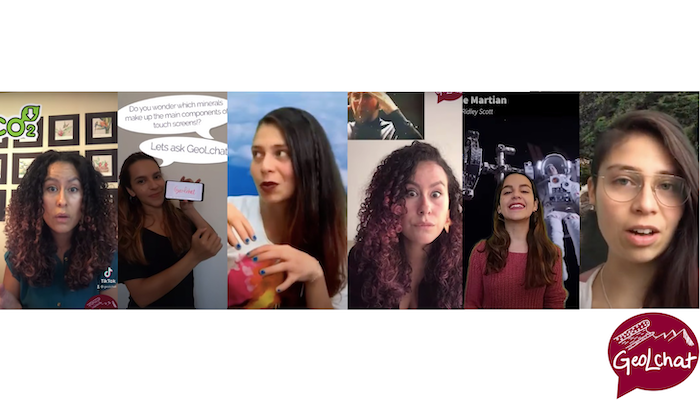
GeoLchat: el experimento de divulgación científica bilingüe hecho por tres geocientíficas colombianas
GeoLchat: A Bilingual Science Communication Experiment of Three Colombian Geoscientists Una de las cosas más importantes que se les enseña en la academia a los estudiantes de ciencia alrededor del mundo es aprender a usar el lenguaje científico. Sin embargo, nunca se les enseña a hablar acerca de ciencia en un lenguaje sencillo, y tampoco a comunicar y divulgar sus investigaciones en lenguajes dif ...[Read More]