The EGU General Assembly is fast-approaching! This week, we interview two members of the Geodynamics Division team – Jeroen van Hunen and Garima Shukla – to hear their thoughts on the upcoming General Assembly. We’re also sharing all of the key events planned by the Geodynamics Division to add to your conference program. The Geodynamics Division at EGU24 As we approach the Genera ...[Read More]
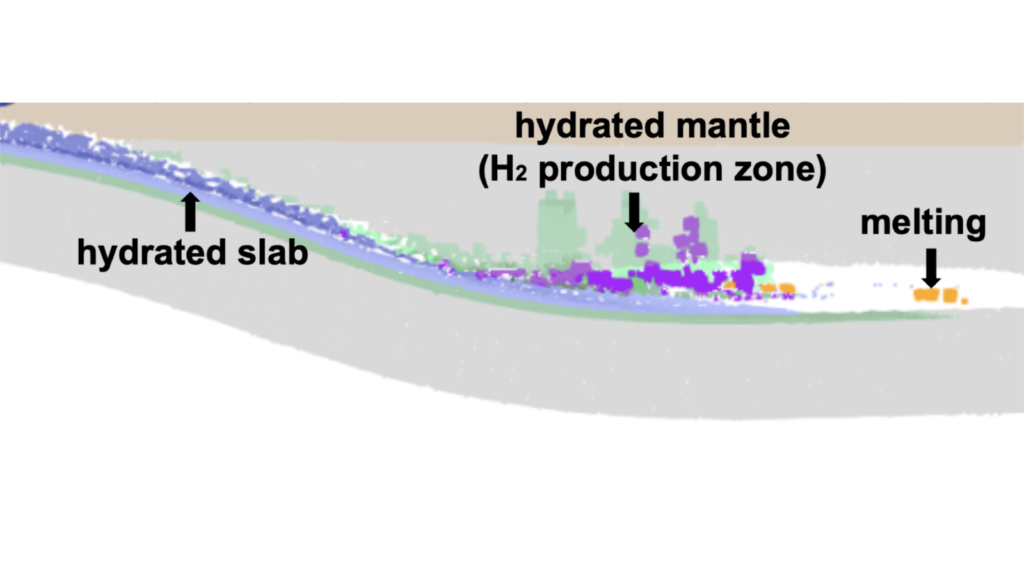
H2 production associated with mantle wedge hydration in subduction zones
Dihydrogen (H2) is a promising source of energy that may allow reducing carbon emissions in industry and transportation. Artificial production methods have been explored, natural sources of H2 (also called white dihydrogen) offer a more eco-friendly and cost-effective production process. In this week’s blog post, Alexis Gauthier, a PhD student from ISTeP, France, is discussing the H2 production pr ...[Read More]
Geodynamica: Earth & Planets – a new diamond open access journal!
Do you want to publish and access papers for free? Do you want to improve the system by promoting equitable publishing alternatives? Then read on to learn about Geodynamica: Earth & Planets: a new community-powered Diamond Open Access Journal (DOAJ)! Join the conversation on discord by following this link. Diamond Open What? Diamond Open Access journals are peer-reviewed journals that are free ...[Read More]
Call for Applications: Early Career Scientist Representative (GD Division)
The Geodynamics Division (GD) is looking for an enthusiastic geodynamicist to take up the position of Early Career Scientist (ECS) representative for 2024-2026! Our current ECS representative, Megan Holdt, will be handing over this position at EGU24. This role is a fantastic opportunity to get involved in EGU, contribute to building the geodynamics community and create a welcoming environment for ...[Read More]
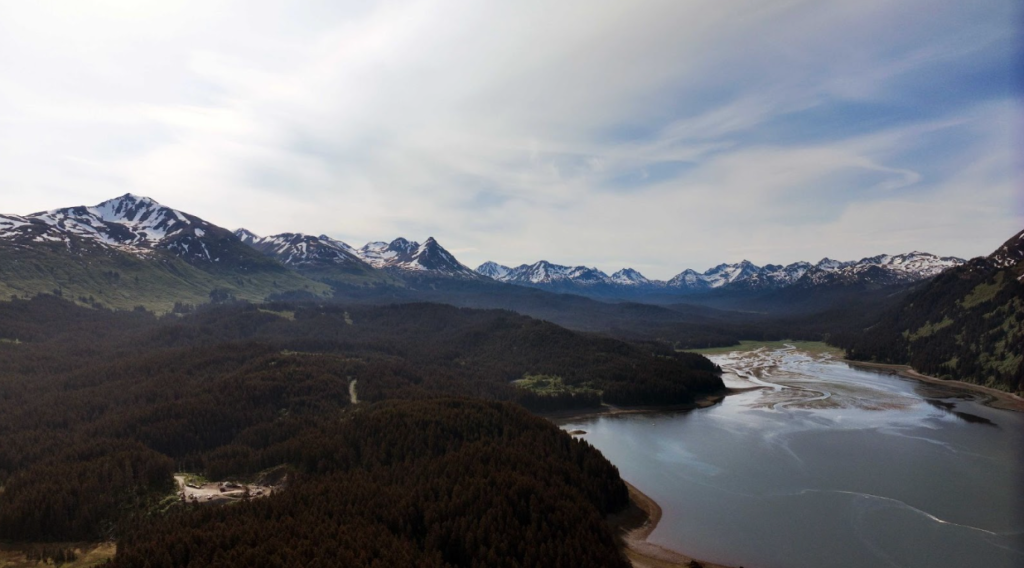
Geoscience in Alaska: From Fjords to Flysch
In this week’s blog post, one of our blog illustrators, Emily Hinshaw will take us on a journey to the faraway land of Alaska, which is well known for its rugged terrain, exciting wildlife, and being very remote. Despite these challenges, and many others, Emily loves this work and feels very lucky to be part of the research team which explores the geology and geodynamics of the region! Alaska is ...[Read More]
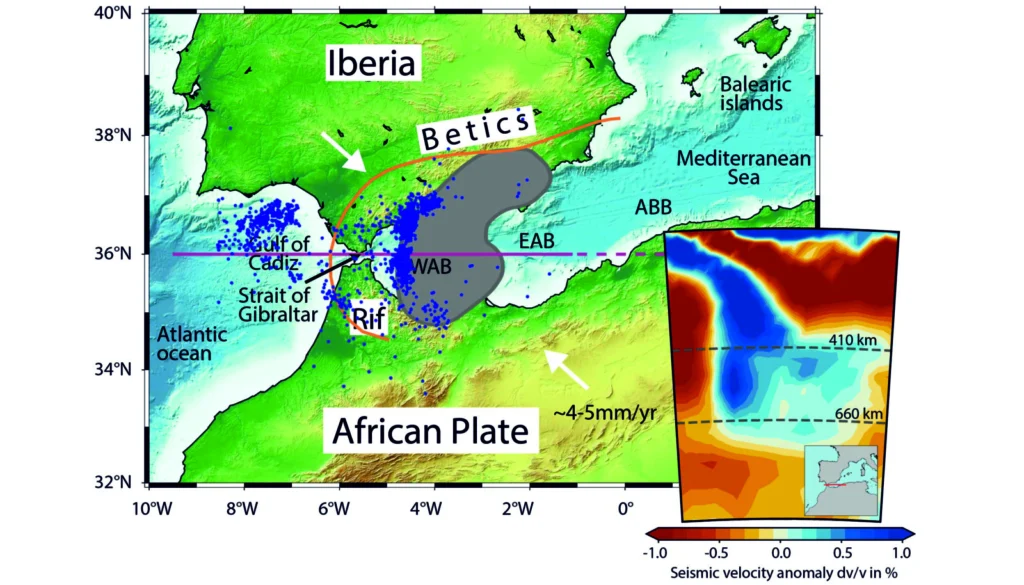
How has the Gibraltar slab influenced the Alboran domain deformation?
Figure 1. Topography of the Gibraltar Arc region. The shaded area indicates the position of positive seismic velocity anomaly supposedly representing the position of the slab at 270 km depth from seismic tomography (Amaru, 2007). The purple line shows the position of the modelled cross-section for the model shown in this blog. Blue dots indicate the regional intermediate seismicity (between 40 km ...[Read More]
Introducing the new blog team !
It’s time for our yearly introduction to the EGU Geodynamics blog team! The EGU General Assembly has passed and after a couple of weeks of recovery, we are thrilled to present the blog team for the upcoming year 2023-2024, featuring some familiar and fresh new faces. Our new team will start posting from next month onward. We’re delighted to announce that the new EGU GD blog team now co ...[Read More]
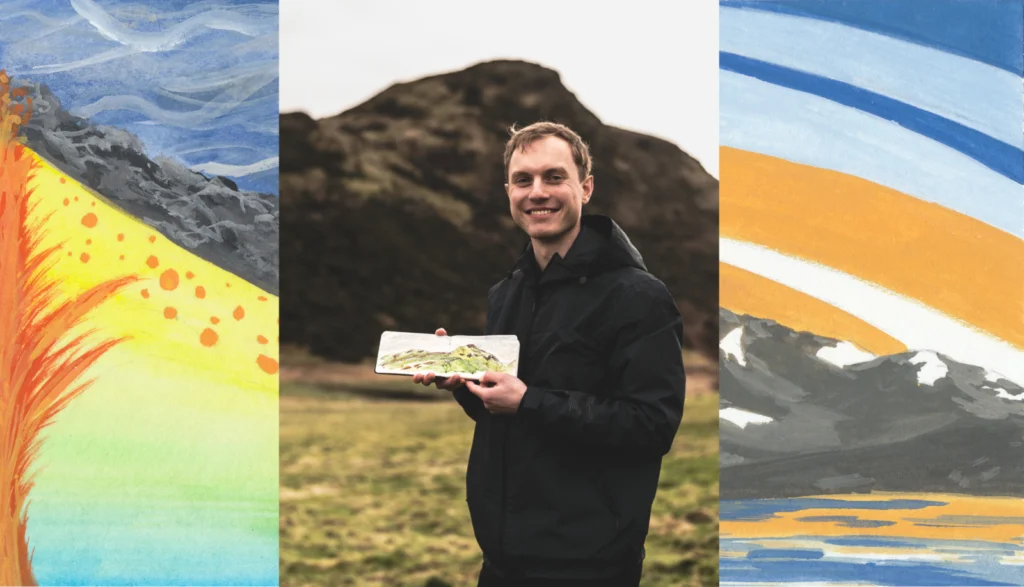
Meet the blog illustrators: Vojta Hýbl
Vojta Hýbl from the blog illustration team (photo taken by India Hunkin). Spreading research news to a broad audience is important but difficult work for scientists. Luckily, we have an amazing illustration team who are happy to share their artistic creation. Their artwork has helped us expand the readership and made our blogs increasingly popular. This week, I am excited to introduce Vojta Hýbl f ...[Read More]
The Geodynamics Division @ EGU23
With the EGU General Assembly (GA) less than a month away, it’s time for attendees to start planning their schedule to get the most out of the week. In today’s blog, Geodynamics (GD) Division Early Career Scientist (ECS) representative Megan Holdt highlights the networking events for the GD Division, provides an overview of key events at the GA and gives some tips for first-time attend ...[Read More]
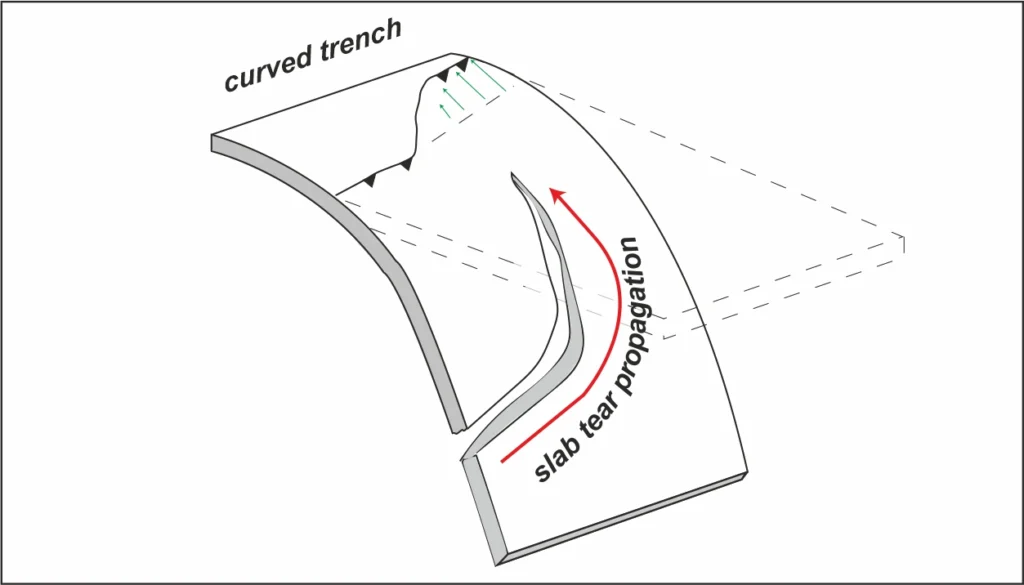
How does slab tearing evolve?
Slab tearing refers to the gradual propagation of the break-off of a subducting plate. As observed in numerous modern and ancient convergent tectonic settings, the growth of the tear “window” in the downgoing plate has strongly influenced various geologic and geodynamic processes, such as depocenter migration of foreland basins, uplift rates in mountain ranges, earthquakes, volcanism, and flow pat ...[Read More]