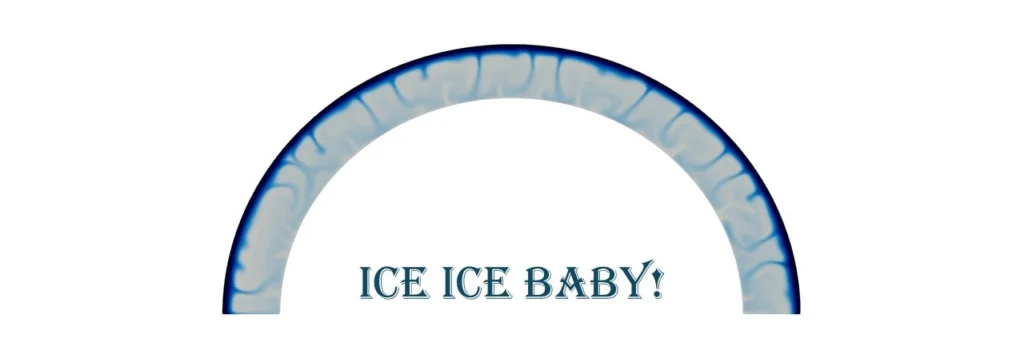

Ganymede, one of the Galilean moons of Jupiter and the largest in the Solar System, has caught the scientists’ attention due to its potential for hosting life. The JUICE mission, launched from the Guiana Space Centre in French Guiana on 14 April 2023, is on its way to orbit and conduct experiments on the Galilean …[Read More]
An Arctic enigma: Can a single plume explain a massive and long-lived ancient volcanic eruption?
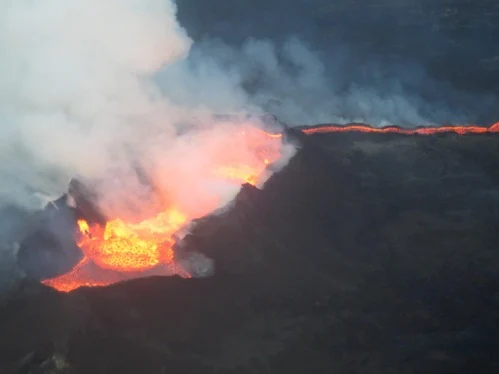
Across the Arctic lies evidence for a massive past volcanic event, called the High Arctic Large Igneous Province (HALIP). This ancient volcanic event is particularly unusual in that it appears to have lasted for over 50 million years. Could a single deep-seated mantle plume cause such wide-spread and long-lived volcanism? In a recent study …[Read More]
The uncertain tomographic lenses
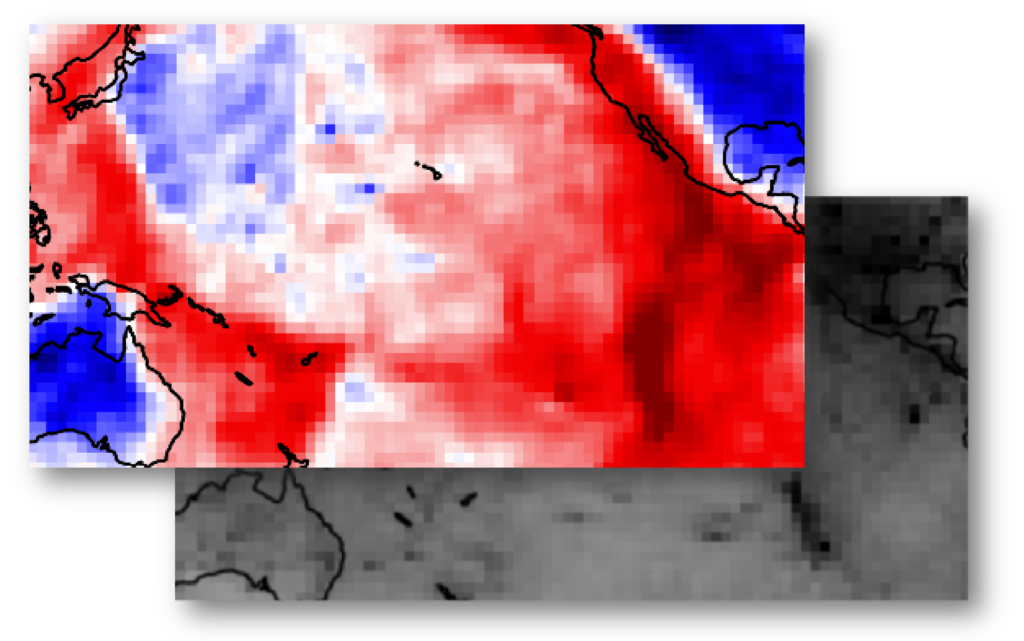
Geodynamicists often try to answer scientific questions related to the Earth interior, but direct observations of such depths are rather limited–unless you are character in a Jules Verne’s novel or a prominent scientist in the movie The Core–. A way to deal with this issue is to rely on indirect methods, with seismic tomography being …[Read More]
Unravelling the Magma Plumbing network of the Deccan Traps
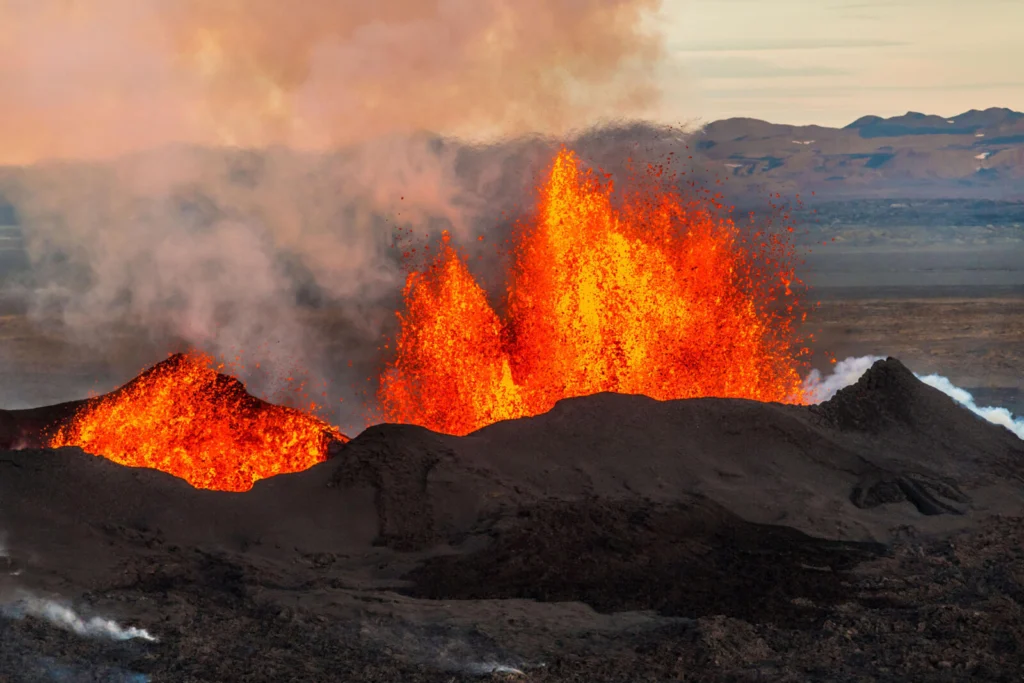
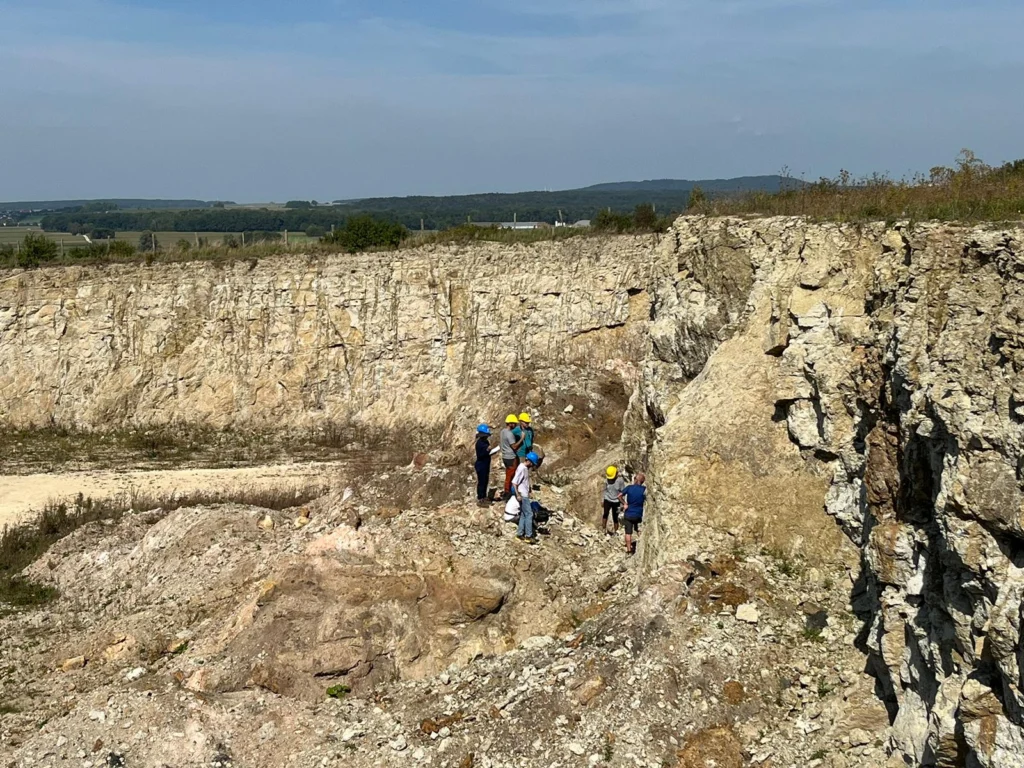
In this week’s blog, Garima Shukla, ECS representative of the Geodynamics Division and PhD student at the Indian Institute of Science Education and Research, Bhopal, India, working with Dr. Jyotirmoy Mallik, discusses her research involving fieldwork and statistical calculations. Her research also delves into rock magnetism and palaeomagnetism to unravel the longstanding enigmas surrounding the …[Read More]
Summer of ‘23: Chronicles of a summer school on meteorite and comet impacts.
One of the best-researched and preserved impact craters on Earth is the Ries Crater (Germany). Hikers, bikers, school groups, and geo-tourists from all over the world come here in search for the evidence of the cosmic catastrophe. In this week’s blog post, PhD student Katherine Villavicencio from University G. d’Annunzio (Italy) shares her experience when attending …[Read More]
Geotandem: The Red Planet, often recognized as a dead planet, is not quite dead after all, at least geodynamically speaking
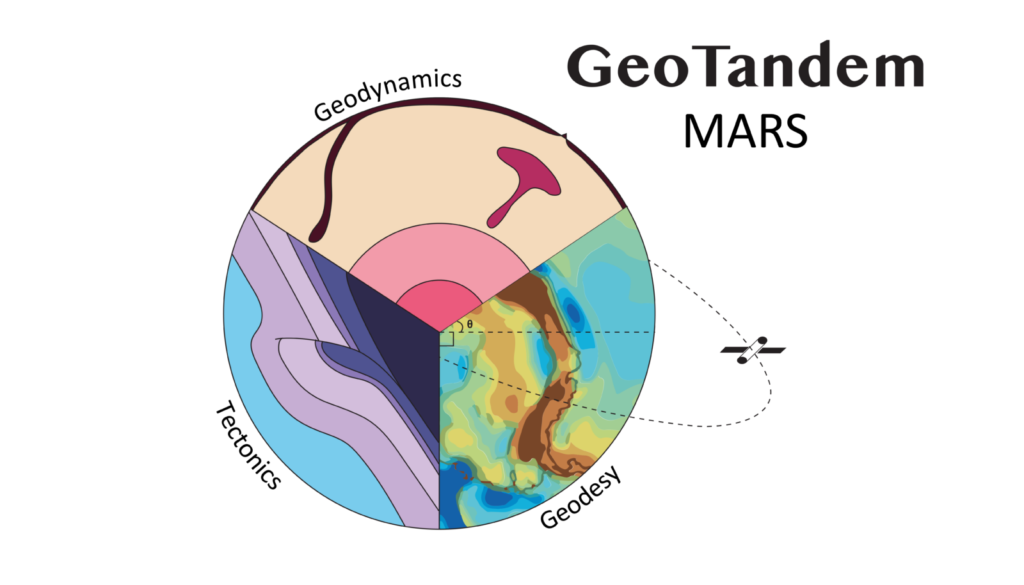
Welcome to the first of its kind, the Geotandem 01! A collaborative series between EGU divisions. Interdisciplinarity is intrinsic to Geosciences, so we want to showcase how researchers approach the same topics from different but also complementing perspectives. In each edition, we will bring you a high-interest topic for the community seen from the eyes …[Read More]
The enigmatic tectonics of the Caribbean Large Igneous Plateau
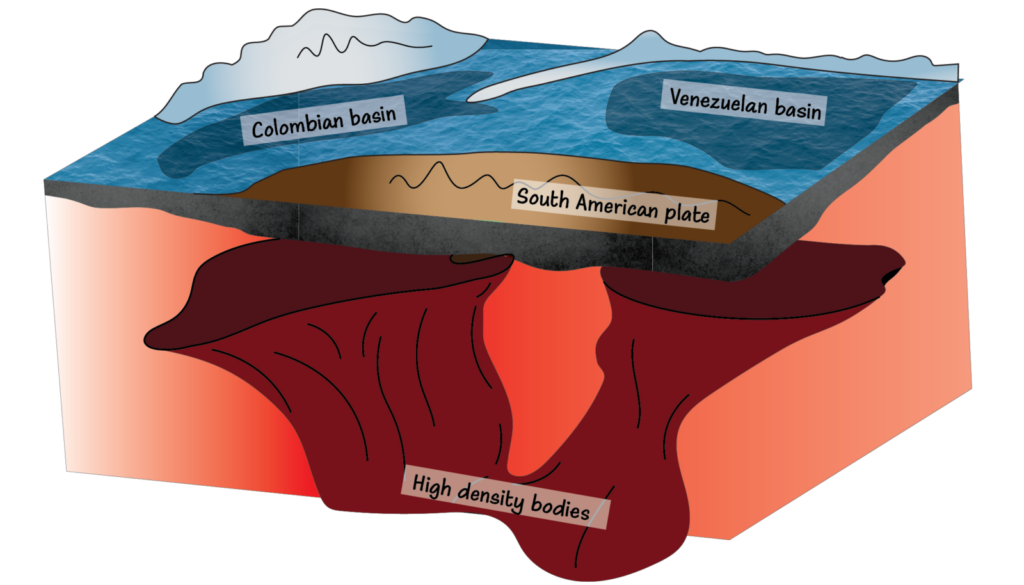
As we approach the Christmas break and the end of the year, what resonates with the concept of ‘holidays’ more than the Caribbean? In this week post, Angela Gomez-Garcia, postdoc at the Geoscience Institute of Barcelona, and Eline Le Breton, professor at Freie Universität Berlin, take us on a geodynamic journey through the Caribbean Large …[Read More]
Alice in Depressionland
Not all is about internal evolution of Earth and geodynamic processes. It is also important to make the space for ourselves to separate academic responsibilities and personal interests, in a way that equilibrate our health and make the develop of the PhD thesis “easier”. As it was described in previous blogs (as here and here), mental …[Read More]
On the usefulness of geodynamic numerical models
Within the vast realm of geoscience, the intricate mechanisms governing Earth’s internal processes continually pose challenges for researchers attempting to unveil its mysteries. This blog post acknowledges the inherent limitations of geological and geophysical data while highlighting the important role that geodynamic modeling plays in bridging these datasets. The motivations for this discussion arise from …[Read More]