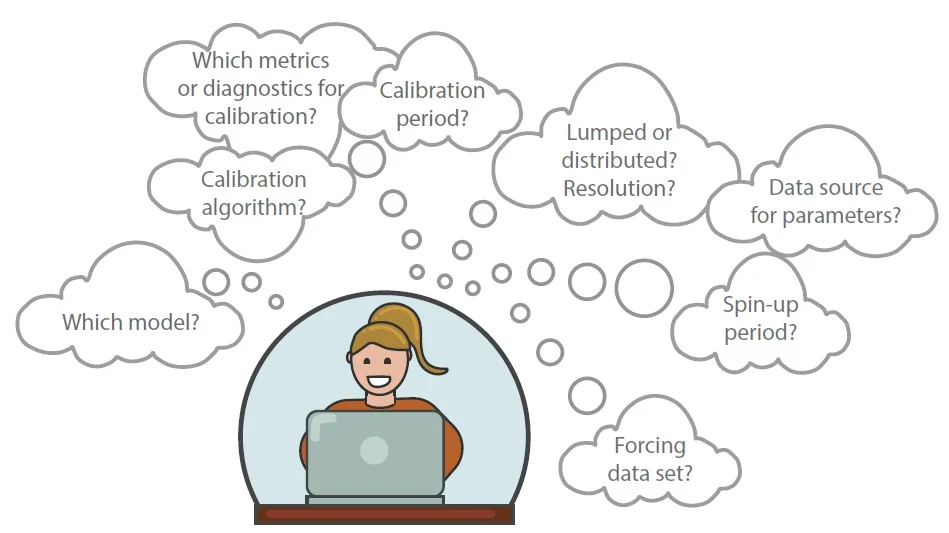
Several studies were conducted and are ongoing where we investigate modelers, modeling decisions and modeling perceptions. Below I discuss the rationale and a summary of the (preliminary) results. Simulation models, conceptualizations of processes into a system of mathematical equations (hereafter simply referred to as models), are frequently used tools in the hydrological sciences. The literature ...[Read More]
When the students are gone: Transition to online teaching
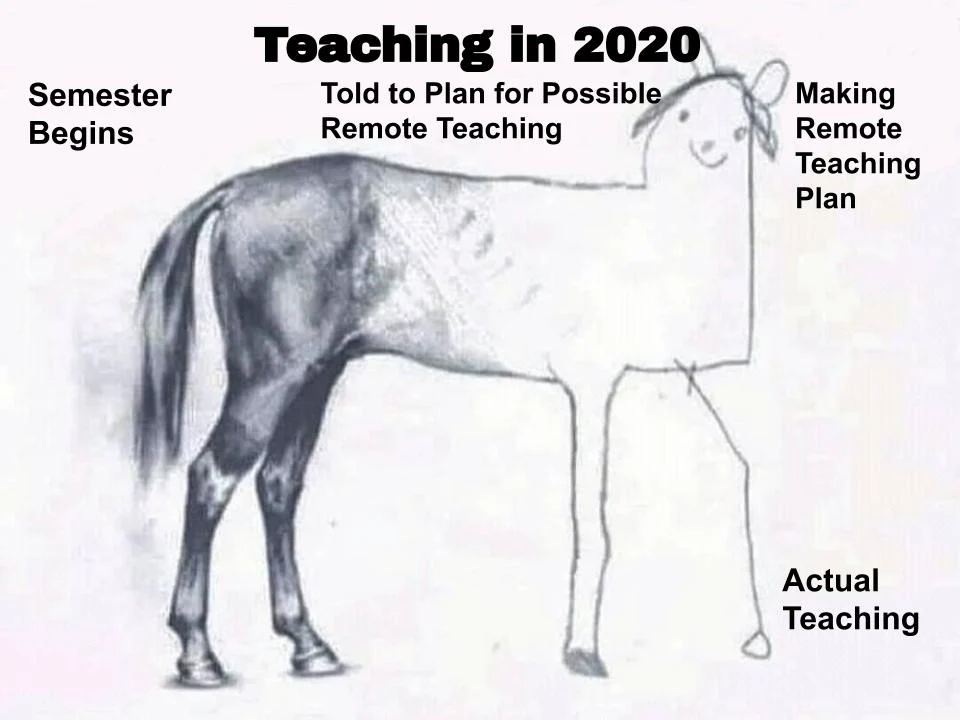
With the ongoing Corona crisis, universities are closed and in-person classes are/were rapidly transitioning to online courses with only little time for preparation for instructors. Preparing online classes usually takes lots of effort and time, which is why we should probably all just release ourselves from too high expectation. Motivated by the ongoing discussion on Twitter about the challenges ...[Read More]
Sharing is caring: Models for all, presenting eWaterCycle II
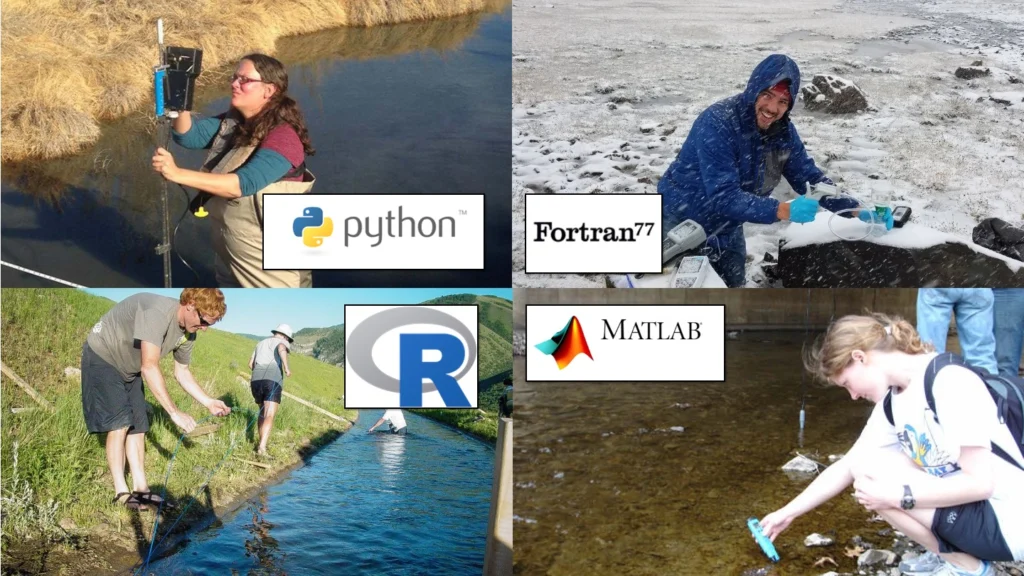
The photos above were found by doing a google image search for ‘hydrologist’. Apparently our image is that of scientists that get to be outside a lot. We all know that the knowledge we gain from fieldwork gets codified in hydrological models which can be written in all sort of programming languages. “I wonder what this analysis would look like using that other groups hydrological model ...[Read More]
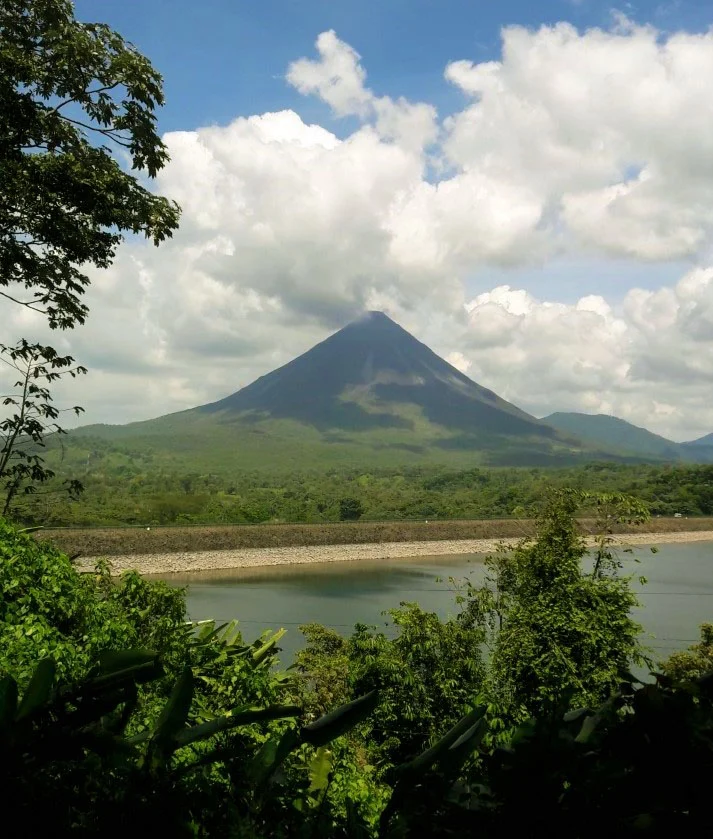
Featured catchment series: The San Carlos Catchment in northeast Costa Rica, a multi-scale hydrological observatory to leapfrog data scarcity in the tropics
Tropical ecosystems are of major hydrological importance for regional and global climate systems and are characterized by greater energy inputs, higher rate of change and dynamics compared to other hydroclimatic regions. Nowadays, the anthropogenic influence in the climate crisis exerts enormous pressure on tropical hydrological systems. This growing pressure affects water quality and quantity, wh ...[Read More]
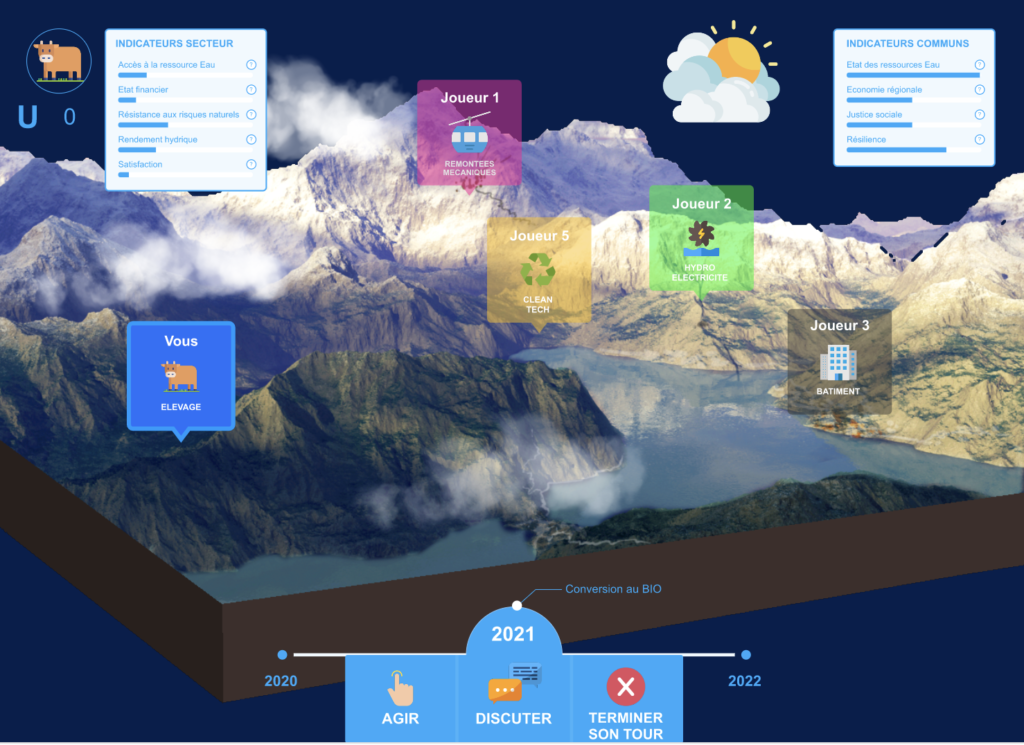
Designing a video game – a new scientific experience
“We are in 2050. In 2020, a multi-disciplinary team of scientists and of actors from the Swiss mountains have launched the digital interface MOUNTAINCRAFT. The impact of the launching was immediate: collectivities, socio-economic actors, people living in the area adopted the tool and started implementing adaptation measures to cope with climate change (…). Ultimately, the tool spread across ...[Read More]
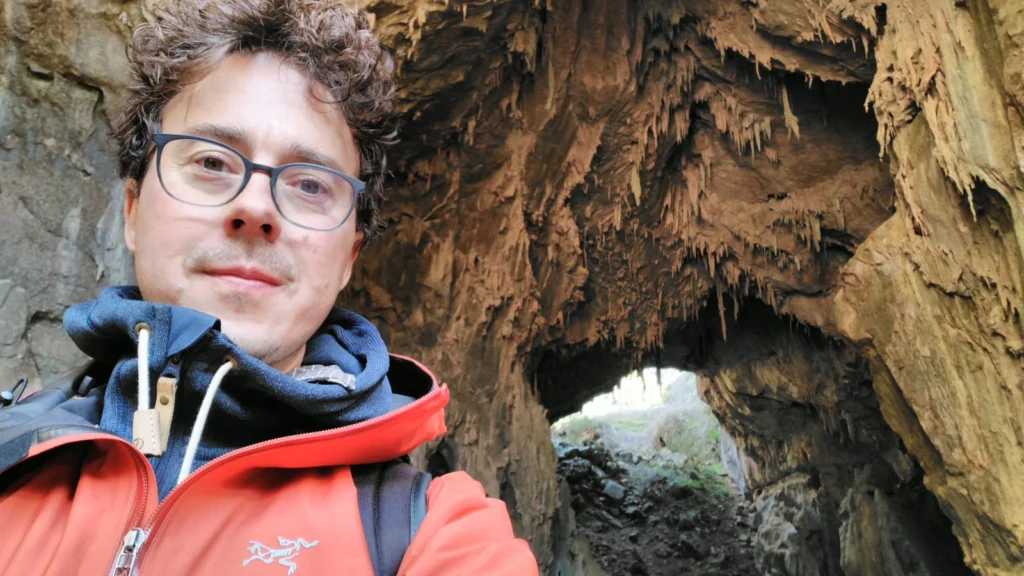
Andreas Hartmann (EGU ECS Awardee) on Doing What You Love Will Pay Off
Andreas Hartmann makes a point to attend Hofer Filmtage – or the Hof International Film Festival – every year to keep up a tradition he started when he was 12. As a professor, he sets down research to make the yearly pilgrimage to his German hometown to visit with his best friends and family. This year, he couldn’t completely separate from work. After getting out of a film, he got a note saying th ...[Read More]
2019 Recap of the HS Blog
Let’s look back on the first 22 HS blog posts published since our first Welcome to the HS division blog post in March. First and foremost, thanks to all the authors who contributed to the successful start of our blog in 2019! We hope to continue with the fortnightly publication of posts covering various topics related to hydrological sciences. If you have an idea for a topic, would like to write s ...[Read More]
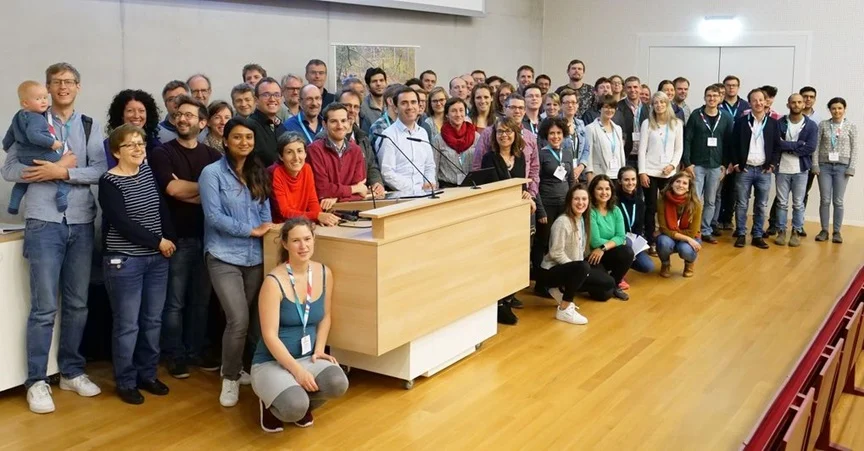
Meeting and networking outside the EGU GA: feedback on the 2019 EGU Leonardo conference
In order to encourage cohesion and sustained dialogue among researchers outside the GA in Vienna, the EGU hosts a number of conference series, targeted at a specific disciplinary or interdisciplinary group within the Union. Closely related to the HS Division is the Leonardo Conference series on Earth’s Hydrological Cycle. These meetings are organized by members of the division. They usually ...[Read More]
SciArt & Hydrology: how about having an art exhibition as part of your hydrology PhD thesis?
On November 1st 2019, Louise Arnal, a PhD candidate at the University of Reading and the European Centre for Medium-Range Weather Forecasts (ECMWF), had her art exhibition opening event at The Museum of English Rural Life (Reading, UK). This exhibition was part of her PhD thesis on hydrology, and was called “Gambling with floods?” For me, it was the first time I saw a PhD thesis in hydrology that ...[Read More]
Featured catchment series: The Rio Vauz catchment – long-term hydrologic observations in the Dolomites
Dolomitic landscapes are characterized by vertical rock cliffs and soil-mantled hillslopes originated from glacial or colluvial deposits, which hide a complex subsurface aquifer due to the permeability of the dolomitic rocks. To improve the understanding of the hydrological functioning of such complex hydrogeological systems, the hydrology group of the Department of Land, Environment, Agriculture ...[Read More]