
In its “Hallway Conversations” series, the Young Hydrologic Society has recently published an interview with Serena Ceola, who is a senior assistant professor at University of Bologna, Department of Civil, Chemical, Environmental, and Materials Engineering. The interview was conducted by Sina Khatami, a PhD student at the University of Melbourne. With their agreement, we reproduce the …[Read More]
Hydrological Sciences
Hydrologists Join Youth-Led #GlobalClimateStrike
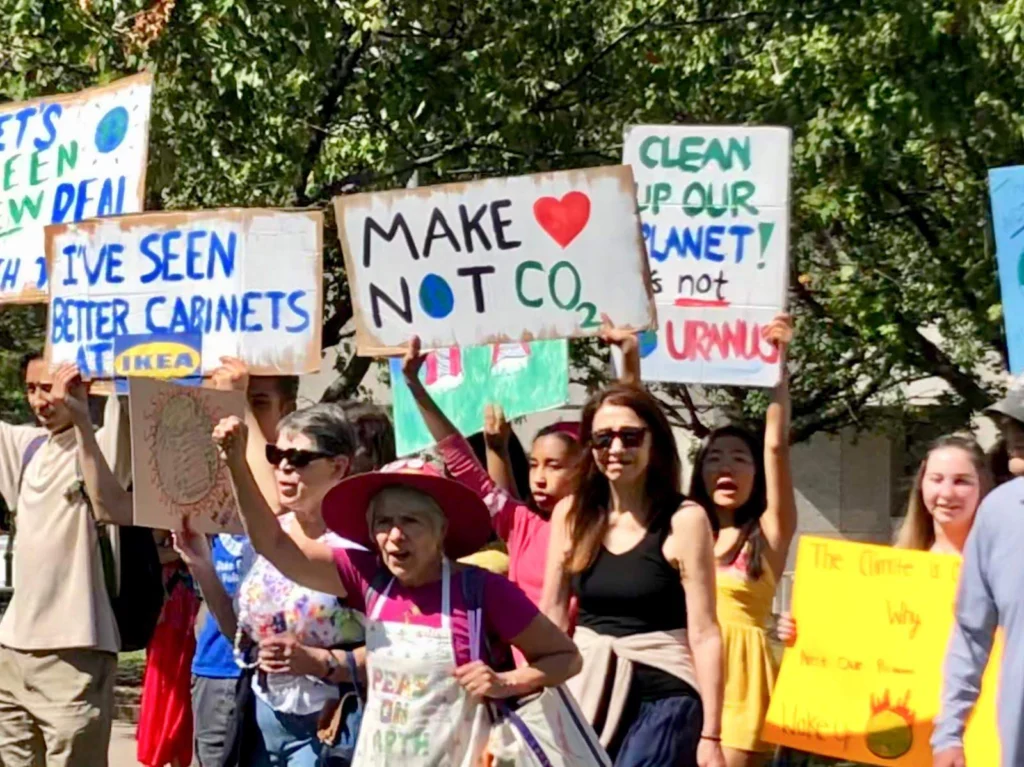
In a powerful sign of solidarity, adults from across an estimated 185 countries took to the streets to join last Friday’s youth-led Global Climate Strike, the largest climate protest in history. Among those in attendance were hydrologists from around the world, who stood shoulder to shoulder with young people to support their calls for immediate …[Read More]
YHS interview Martyn P. Clark: “rainfall-runoff modelling, per se, is dead”
In its “Hallway Conversations” series, the Young Hydrologic Society has recently published an interview with Martyn P. Clark, who is currently professor and the Associate Director of Centre for Hydrology and Canmore Coldwater Lab, at the University of Saskatchewan, Canada. The interview was conducted by Sina Khatami, a PhD student at the University of Melbourne. With their agreement, …[Read More]
All models are wrong but…

“All models are wrong but some are useful” is a quote you probably have heard if you work in the field of computational hydrology – or ‘hydroinformatics’ – the science (or craft?) of building computer models of hydrological systems. The idea is that, even if these models cannot (by definition!) be a 1:1 representation of …[Read More]
Gender balance in the HS division- some personal thoughts

Gender balance in the HS division- some personal thoughts On 14 June 2019, there was the Swiss nationwide women strike day, with the main topic of equal pay for equal work (see e.g. here). A good opportunity to share some thoughts about gender balance in the HS division. If you have a look on the …[Read More]
Talking hydrology: an interview with Hjalmar Laudon on hydrological research at the Krycklan catchment
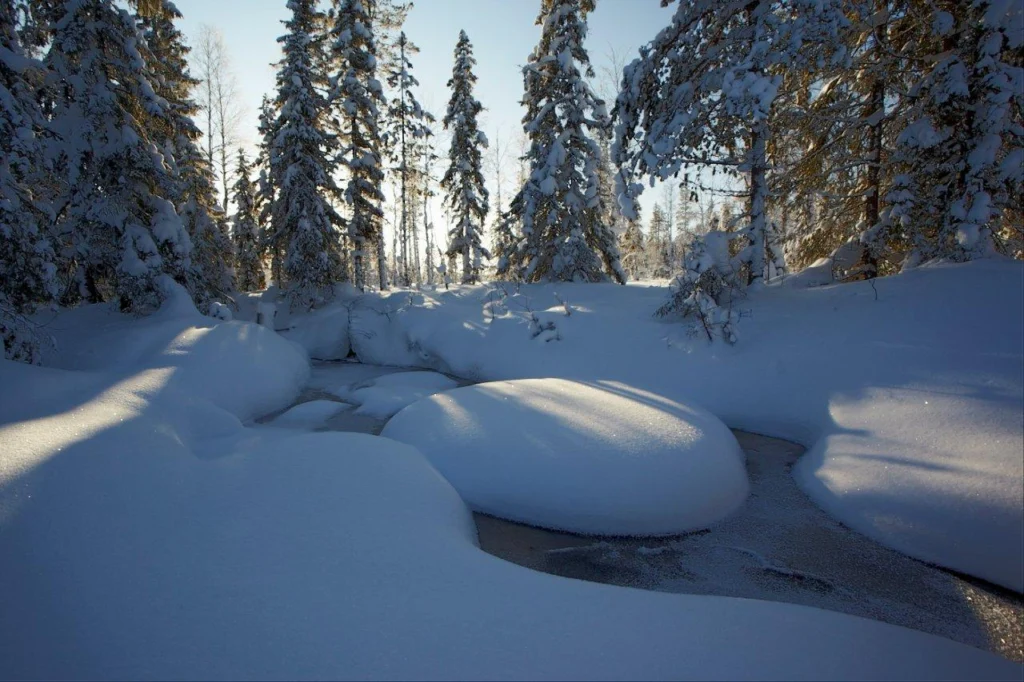
For our second post of “Talking hydrology”, we interviewed Hjalmar Laudon, professor and chair of forest landscape biogeochemistry at SLU Umeå (Sweden). We talked about past and current research in the Krycklan catchment and the usefulness of long-term datasets. 1) You have been conducting hydrological research at the Krycklan catchment (North of Sweden) since …[Read More]
Quality through Equality – tackling gender issues in hydrology
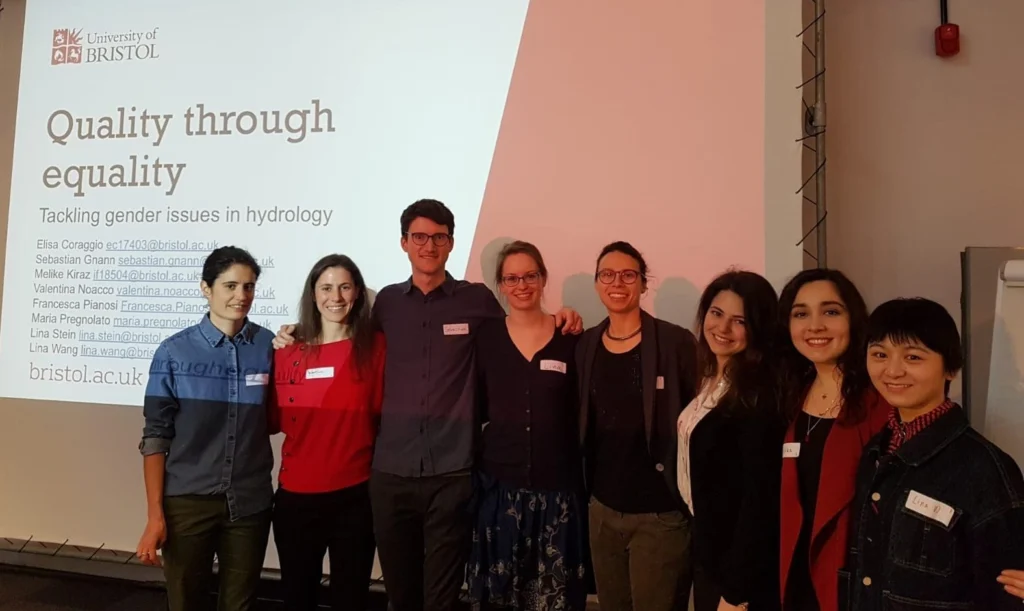
Quality through Equality – tackling gender issues in hydrology Results of a 1-day workshop organised by the University of Bristol’s Water Engineering Group “Science has a diversity problem” (Nature, 2019), and hydrology and the water sciences are no exception. For example, overall only 36% of all EGU medal awardees are female. With 31% of all …[Read More]
Featured catchment series: The North is not forgotten!
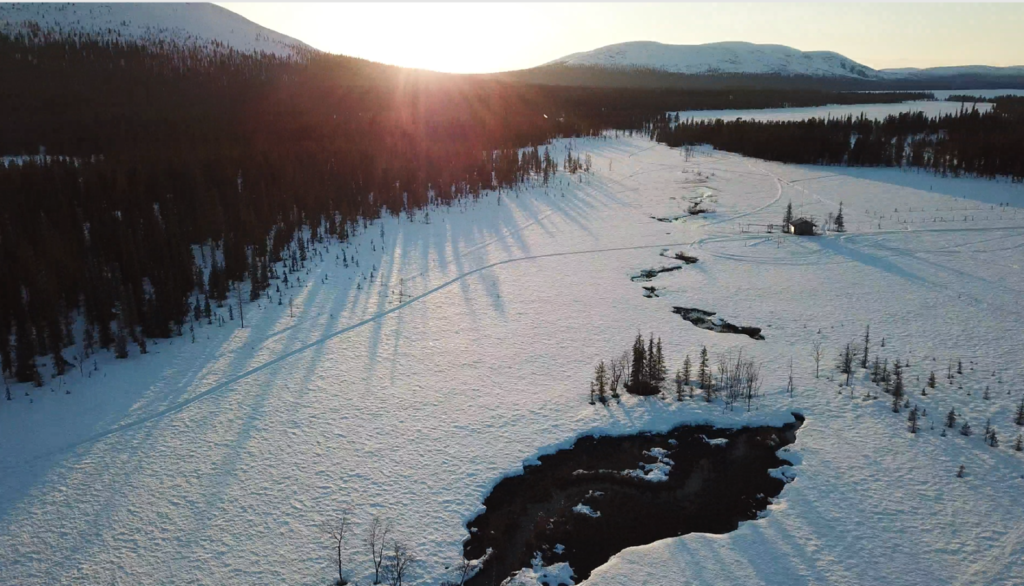
This is the first post of “Featured Catchment”, a series of posts in the HS Blog that present experimental catchments across Europe and beyond. Here, the authors of the posts will explain the main characteristics (e.g., climate, geology, topography, land use) of their catchments, why hydrologic research is important in their study areas, describe the …[Read More]
YHS interview Thorsten Wagener: being the head of a research group is “a bit like being a football coach”
In its “Hallway Conversations” series, the Young Hydrologic Society has recently published an interview with Thorsten Wagener, who is currently professor and the head of the Water and Environmental Engineering research group at the University of Bristol, UK. The interview was conducted by Wouter Knoben, a PhD student at the University of Bristol. With their …[Read More]
“Everything is interaction and reciprocal”
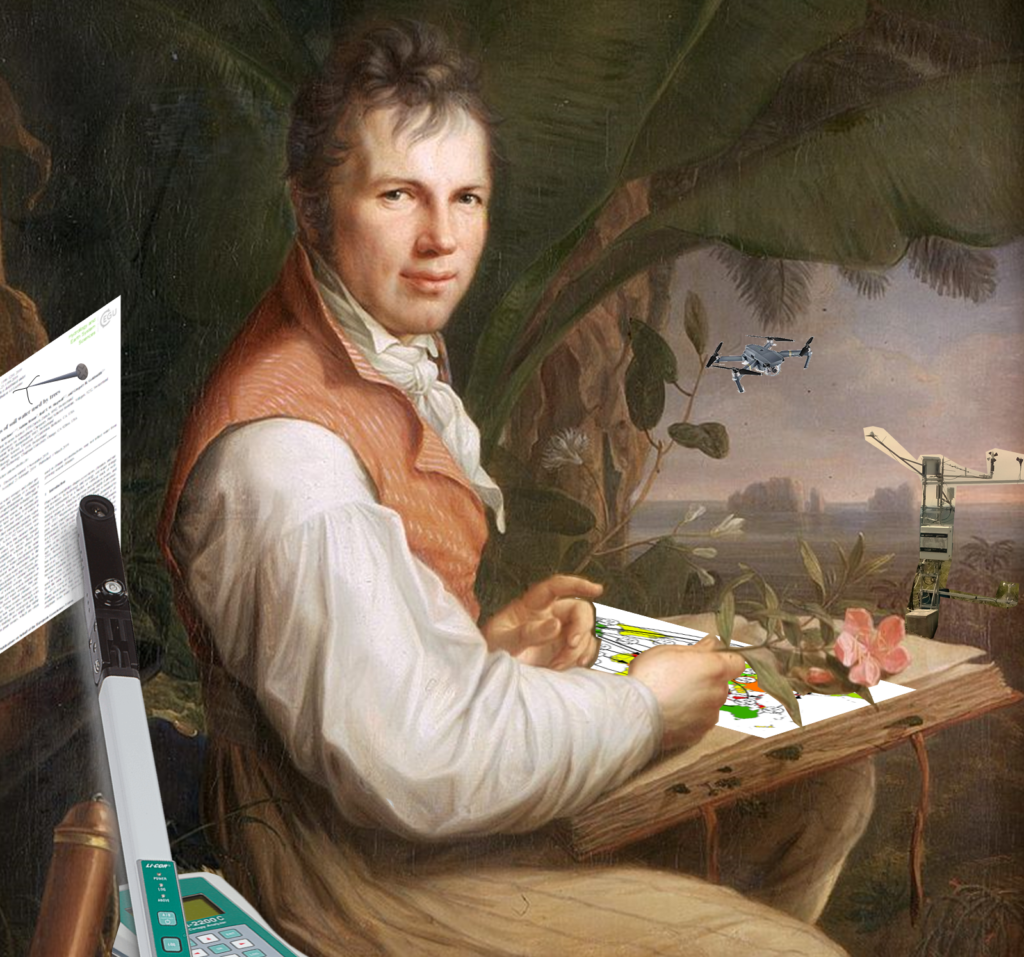
The first time I came across Alexander von Humboldt I was a freshman at the University of Bayreuth. We were proudly told that we were studying environmental science in a region where Humboldt used to work in, prior to his adventures in the Americas. Within EGU, von Humboldt is well known, in connection with the …[Read More]