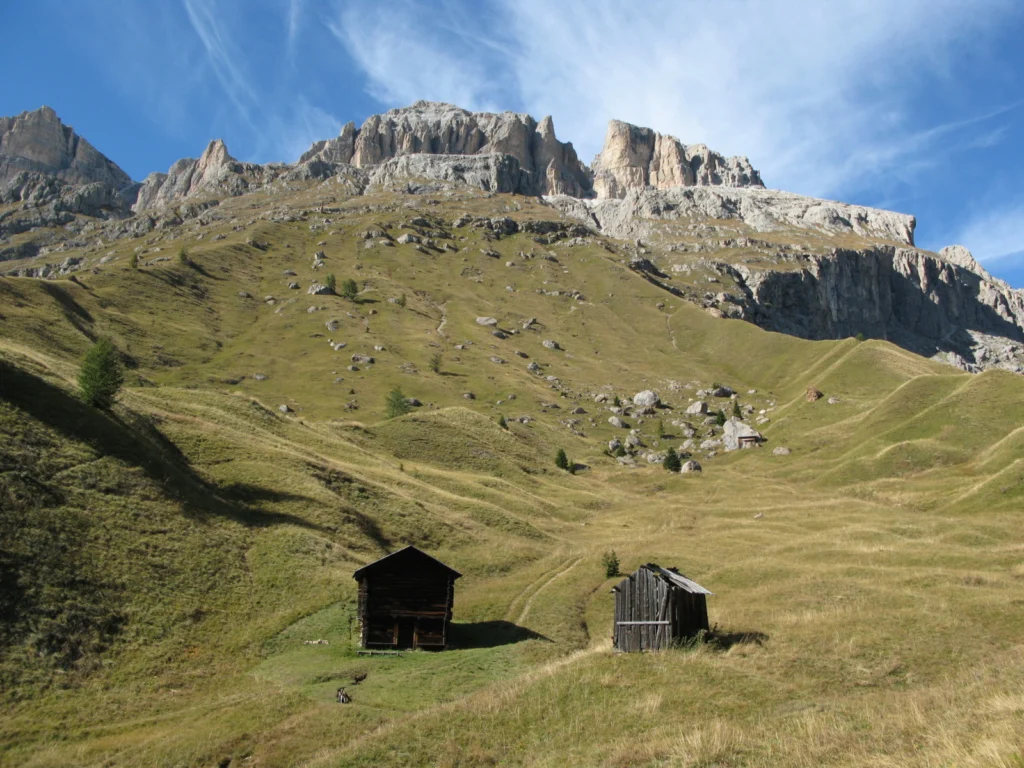
Autumn had finally arrived – the weather had cooled down enough to start rock climbing outside again in southern Arizona. I was working on scaling a mountain’s cliff face tall enough to be a skyscraper with nearly 15 fellow scientists climbing routes around me. My palms were sweaty with nerves and my muscles were starting to get tired. I questioned what possessed me to climb this huge rock. ...[Read More]
Featured catchment series: Disentangling the ecohydrology of a tropical hotspot!
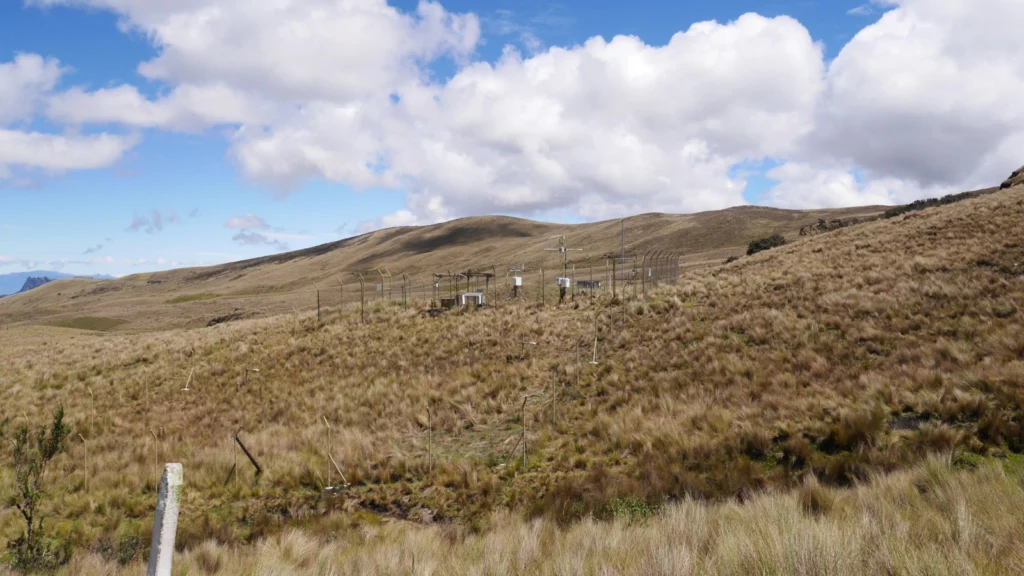
Zhurucay Ecohydrological Observatory: Critical zone observations at the top of the Andes! A natural laboratory of tropical alpine ecohydrology Tropical alpine ecosystems, known as the Páramo, extend to high elevations (3,000-5,000 m a.s.l.) mainly through the northern Andes of South America from Venezuela to northern Peru. Given their geographical location and elevation, Páramo areas are exposed t ...[Read More]
YHS interview Serena Ceola: shedding light on interrelations between human impacts and river networks
In its “Hallway Conversations” series, the Young Hydrologic Society has recently published an interview with Serena Ceola, who is a senior assistant professor at University of Bologna, Department of Civil, Chemical, Environmental, and Materials Engineering. The interview was conducted by Sina Khatami, a PhD student at the University of Melbourne. With their agreement, we reproduce the interview, w ...[Read More]
Hydrologists Join Youth-Led #GlobalClimateStrike
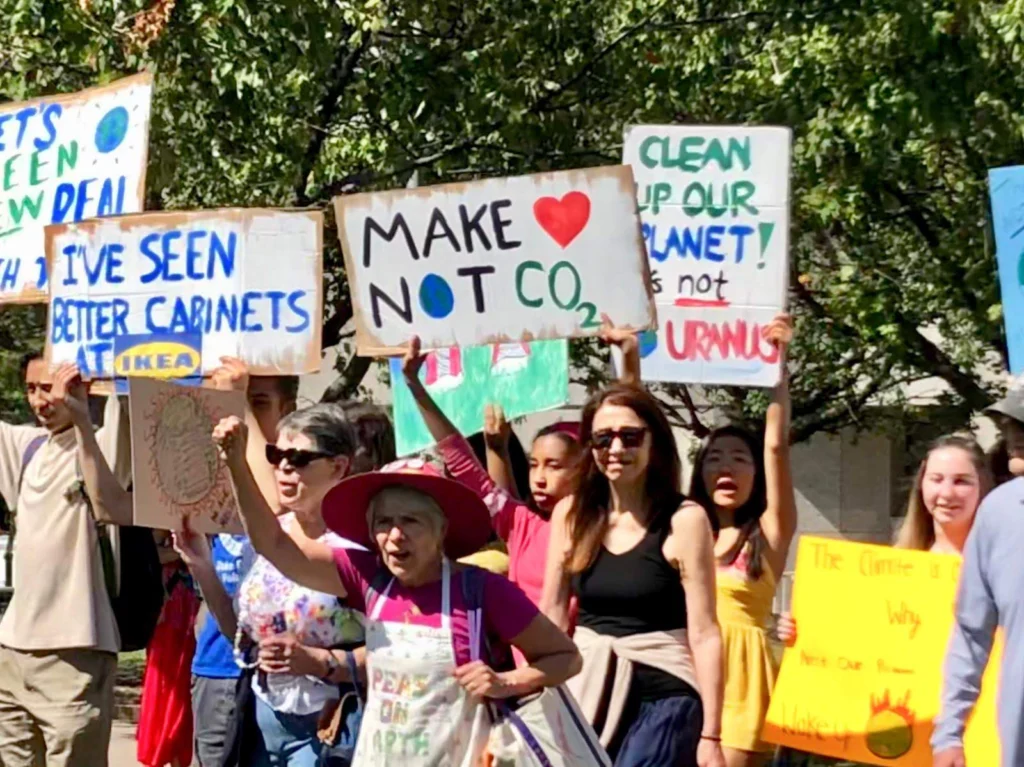
In a powerful sign of solidarity, adults from across an estimated 185 countries took to the streets to join last Friday’s youth-led Global Climate Strike, the largest climate protest in history. Among those in attendance were hydrologists from around the world, who stood shoulder to shoulder with young people to support their calls for immediate climate action. As a hydrologist who participa ...[Read More]
YHS interview Martyn P. Clark: “rainfall-runoff modelling, per se, is dead”
In its “Hallway Conversations” series, the Young Hydrologic Society has recently published an interview with Martyn P. Clark, who is currently professor and the Associate Director of Centre for Hydrology and Canmore Coldwater Lab, at the University of Saskatchewan, Canada. The interview was conducted by Sina Khatami, a PhD student at the University of Melbourne. With their agreement, we reproduce ...[Read More]
All models are wrong but…
“All models are wrong but some are useful” is a quote you probably have heard if you work in the field of computational hydrology – or ‘hydroinformatics’ – the science (or craft?) of building computer models of hydrological systems. The idea is that, even if these models cannot (by definition!) be a 1:1 representation of reality, their erroneous predictions can still be useful to support decision- ...[Read More]
Gender balance in the HS division- some personal thoughts
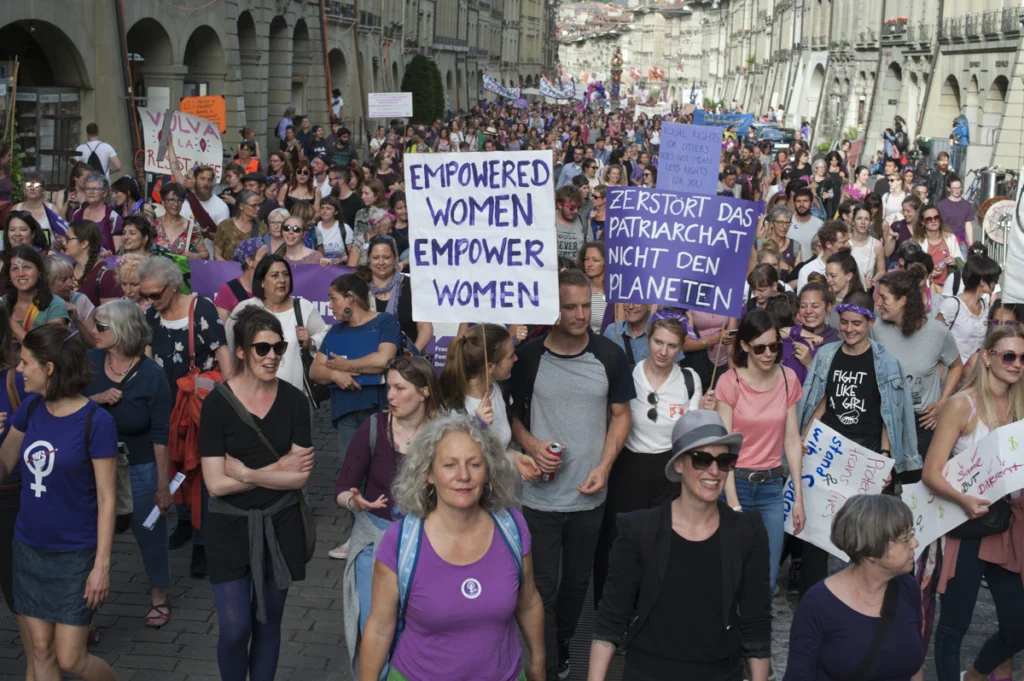
Gender balance in the HS division- some personal thoughts On 14 June 2019, there was the Swiss nationwide women strike day, with the main topic of equal pay for equal work (see e.g. here). A good opportunity to share some thoughts about gender balance in the HS division. If you have a look on the HS division composition today, you will see that we have a female president and a female deputy presid ...[Read More]
Talking hydrology: an interview with Hjalmar Laudon on hydrological research at the Krycklan catchment
For our second post of “Talking hydrology”, we interviewed Hjalmar Laudon, professor and chair of forest landscape biogeochemistry at SLU Umeå (Sweden). We talked about past and current research in the Krycklan catchment and the usefulness of long-term datasets. 1) You have been conducting hydrological research at the Krycklan catchment (North of Sweden) since 2002. How did you keep yoursel ...[Read More]
Quality through Equality – tackling gender issues in hydrology
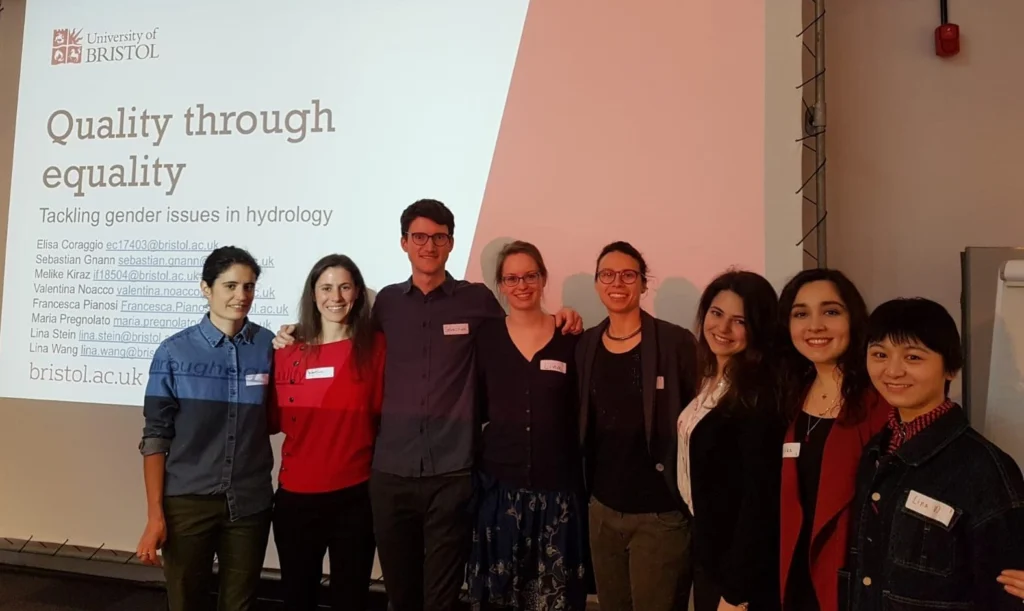
Quality through Equality – tackling gender issues in hydrology Results of a 1-day workshop organised by the University of Bristol’s Water Engineering Group “Science has a diversity problem” (Nature, 2019), and hydrology and the water sciences are no exception. For example, overall only 36% of all EGU medal awardees are female. With 31% of all nominations going to female researchers (Ka ...[Read More]
Featured catchment series: The North is not forgotten!
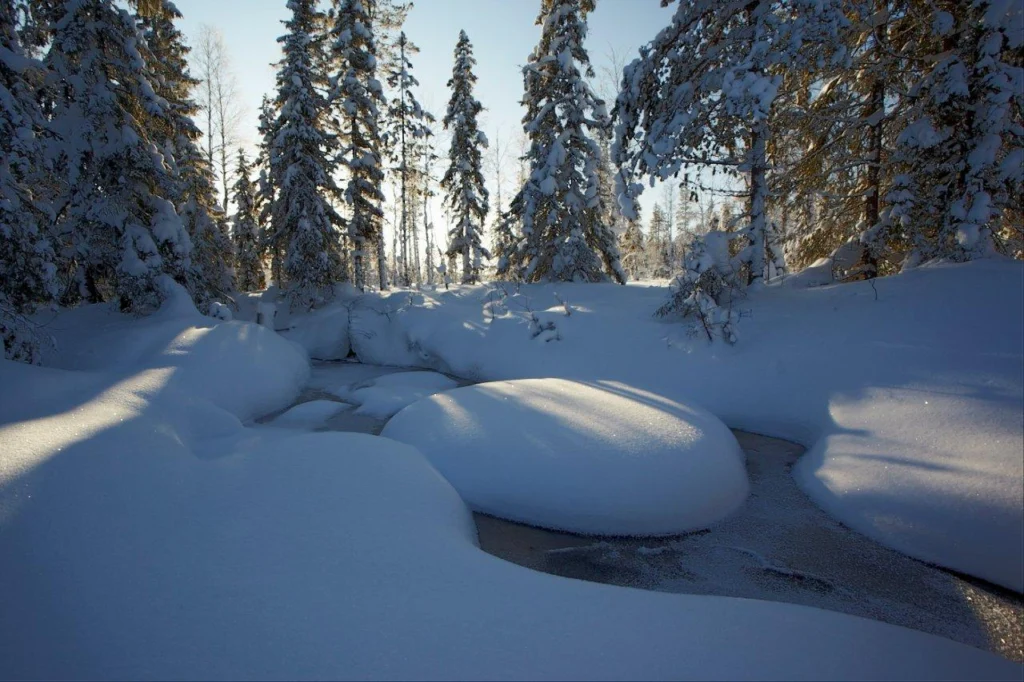
This is the first post of “Featured Catchment”, a series of posts in the HS Blog that present experimental catchments across Europe and beyond. Here, the authors of the posts will explain the main characteristics (e.g., climate, geology, topography, land use) of their catchments, why hydrologic research is important in their study areas, describe the applied methodologies (field instrumentation an ...[Read More]