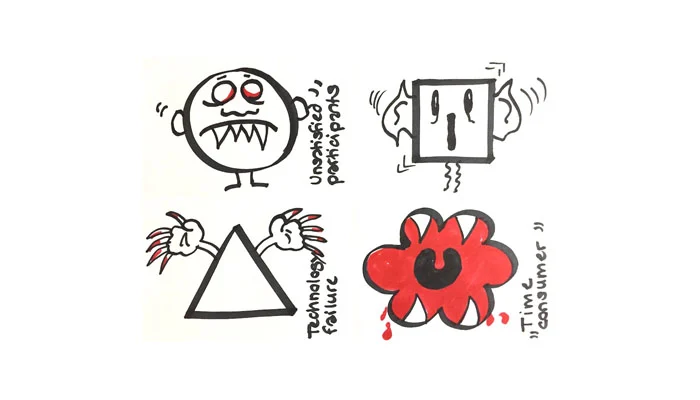
Some people claim that teaching online courses or virtual workshops is not very different from face-to-face meetings. In my experience, however, it is much harder to sneak away secretly from a half-occupied seminar room than to withdraw from a virtual meeting where you simply mute the speaker to work on your emails located only one …[Read More]
Hydrological Sciences
Why social inequalities matter for hydrologists?
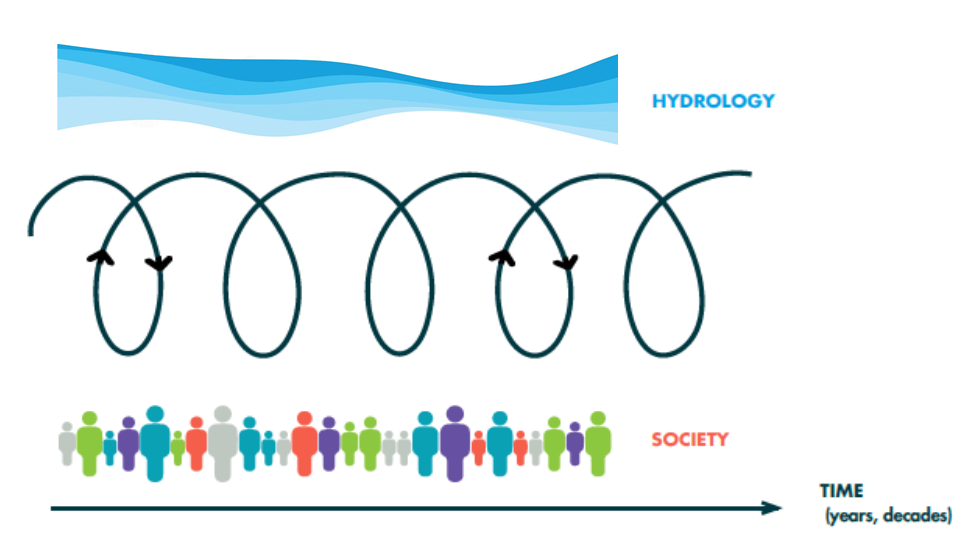
After a few years spent at an Earth Science department researching social inequalities and hydrological extremes — i.e. floods and droughts — I have often been asked these rhetorical questions: “Isn’t it obvious that the weakest individuals or social groups suffer the most in case of extreme hydrological events? So, why should we study these …[Read More]
Do you know about the 3MT competition? What a challenging experience for a PhD student!
Effective communication plays a vital role in our PhD life. We spend significant amount of time working on a desk or in a lab performing our research for many years. However, if we do not effectively communicate our results and ideas to other scientists and researchers, our research will be unacknowledged. Of course, we all …[Read More]
Water Researchers of Color experts in their fields
The Water Researchers of Color (WaterPOC) database is a resource that aims to add to numerous efforts in the last year to raise awareness of Black, Indigenous, and people of color (BIPOC*) in science, in this case specifically multiple disciplines intersecting with water. This resource mirrors many others, such as 500 Queer Scientists and 500 …[Read More]
Xavier Sánchez-Vila (2020 Henry Darcy Medallist) on these strange times and the usefulness of scientific thinking
The EGU 2020 Henry Darcy Medal of the EGU Division on Hydrological Sciences was awarded to Xavier Sánchez-Vila in recognition of his innovative theoretical work and practical solutions regarding aquifer characterisation, subsurface solute transport processes and managed aquifer recharge. Given the online EGU 2020 GA, the medal lecture was however postponed to 2021. We then …[Read More]
Featured Catchment: The Weierbach – Yet another temperate forested headwater?
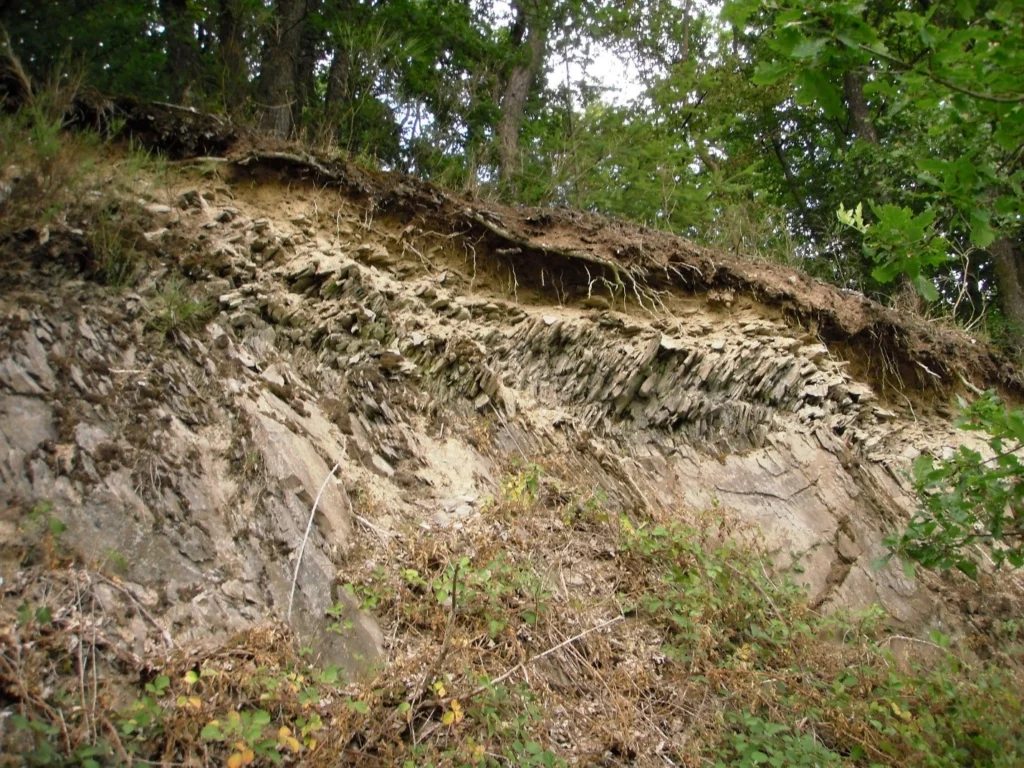
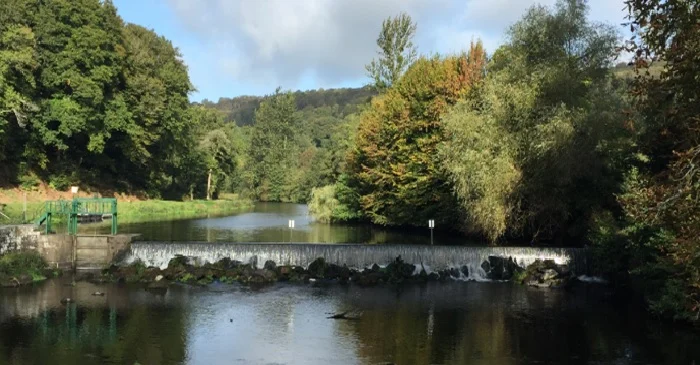
Slate bedrock, an often overlooked system At first sight, the Weierbach catchment may seem unspectacular. It is indeed a small (42 ha) forested headwater catchment, located at mid-latitude in a low mountain range (450-500 m a.s.l.). However, when you take a closer look, and particularly below the surface, the Weierbach is a truly exciting eco-hydrological …[Read More]
Amilcare Porporato (2020 John Dalton Medallist) on agile models for complex systems in the environmental sciences
The EGU 2020 John Dalton Medal of the EGU Division on Hydrological Sciences was awarded to Amilcare Porporato for his contributions to the field of ecohydrology and for developing new theories for the analysis of soil-plant-atmosphere systems across scales. Given the online EGU 2020 GA, the medal lecture is postponed to 2021. In April, Amilcare …[Read More]
Pathways towards solving the Unsolved Problems in Hydrology (UPH) – feedback from the EGU SGO chat session
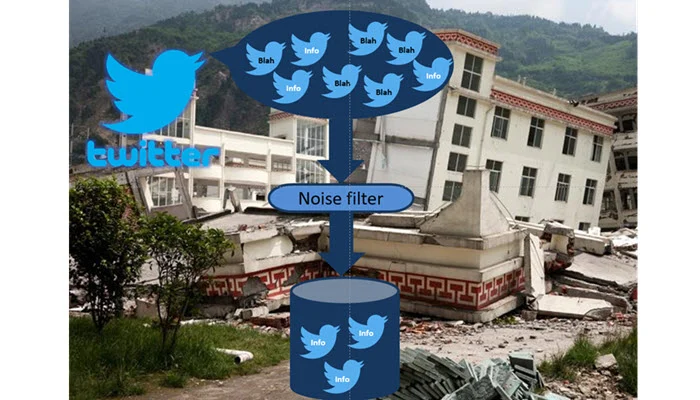
At the EGU 2020 Sharing Geoscience Online (SGO) week, we had a chat room session dedicated to discuss progress and way forward on the 23 Unsolved Problems in Hydrology (UPH). As many of you, we experienced this exciting and fast-typing moment of discussing in-depth scientific issues during a short-duration, text-only chat. Many ideas were typed …[Read More]
The Young Hydrologic Society Stands Against Racism
In reaction to the murders of George Floyd, Ahmaud Arbery, Breonna Tayloy and too many others, we, early career scientists of the Young Hydrologic Society, are taking a stand in solidarity with the Black Lives Matter movement. We pledge to take actionable steps to amplify the voices of Black hydrologists in particular, and our Researchers …[Read More]
A university class with a somewhat different approach
We all know it: the heart of many Master level courses is the term paper, a scientific essay drawn from the students’ work during the semester. It is a way of teaching students not only the content, but also the methodology of scientific work. And to keep them occupied during the semester break, of course. …[Read More]