Close your eyes. What time is it? Is it still Tuesday? Oh, the calendar… Has 2021 started already? And, how are you? Yes, you! Sincerely asking, how are you? To anyone asking this question, the expected reply is usually simple and short. Nothing complicated here – you are either feeling good or bad (although some fuzziness is kindly welcome too). Personally, I often opt for a deep and detailed re ...[Read More]
2020 Recap of the HS Blog
It may seem strange to stop and look back on 2020. What a complicated year it was! We may however enjoy talking about good things that also happened this year. There may be many things we wish we coud have done (or done differently). We all missed our annual GA in Vienna, and learned how to chat and move on with communicating our research within the new concept of online meeting offered by the SGO ...[Read More]
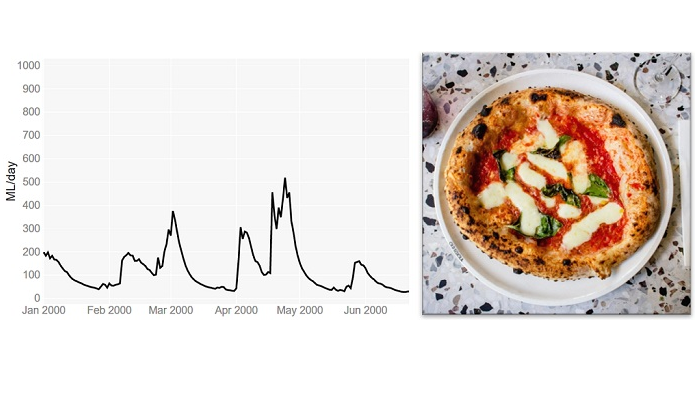
Hydrological modelling and pizza making: why doesn’t mine look like the one in the picture?
Is this a question that you have asked yourself after following a recipe, for instance, to make pizza? You have used the same ingredients and followed all the steps and still the result doesn’t look like the one in the picture… Don’t worry: you are not alone! This is a common issue, and not only in cooking, but also in hydrological sciences, and in particular in hydrological modelling. Most hydrol ...[Read More]
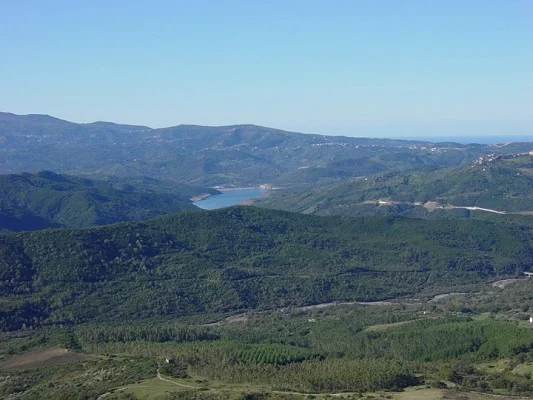
Featured catchment: The Alento Hydrological Observatory in the middle of the Mediterranean Region
Importance of investigating water fluxes in Mediterranean catchments MOSAIC (Modeling and Observing a mosaic of processes for Soil and water resources management in the Alento critical zone and Implementing adaptation strategies to climate and land use Changes) is an interdisciplinary research program that was established by the Soil Hydrology Group of University of Naples Federico II (Italy) and ...[Read More]
Running a live stream of proglacial processes
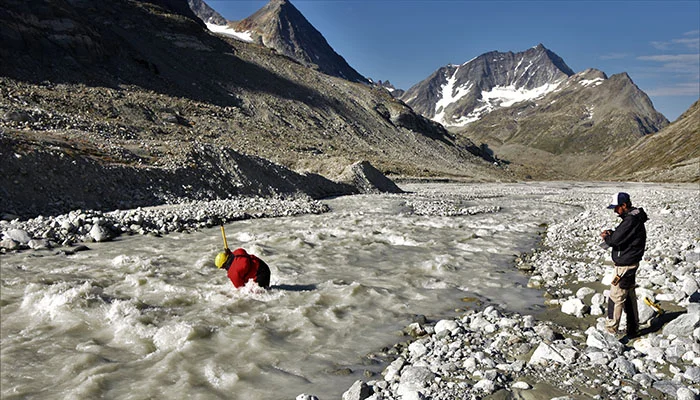
In Switzerland, nothing is really remote, but some places are more so than others. Dense infrastructure networks typically provide convenient access to research sites in the Alps where it is difficult to feel far away from home. However, this is not always the case… For us, our home for the summer is a bit different. We work at 2400 m above sea level in Southern Switzerland, in a narrow vall ...[Read More]
Featured catchment: Water Towers of Mesopotamia: Snow feeding the cultural heritage
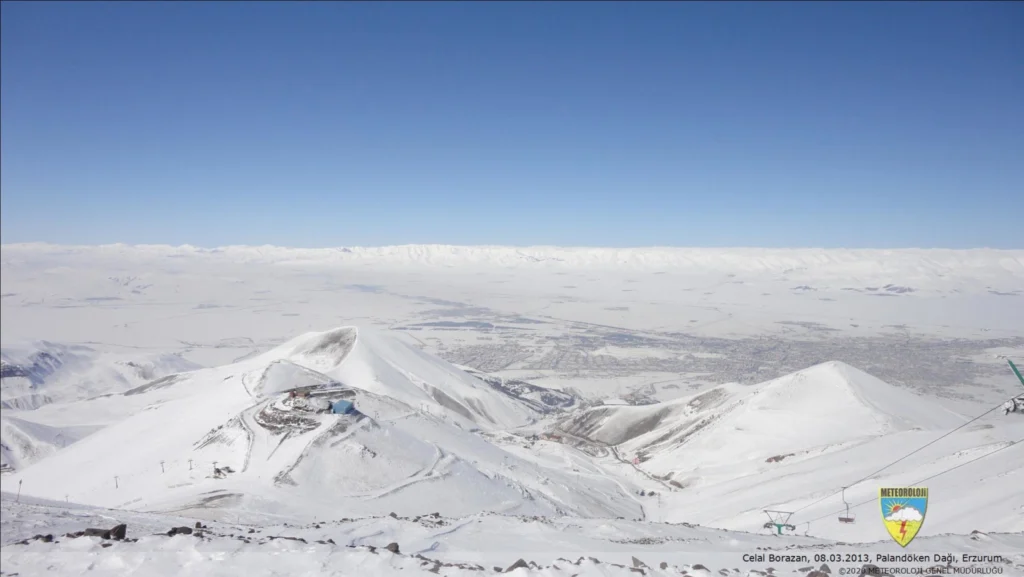
Importance and challenges of snow modelling in Turkey Snow and glaciers in the high mountains play a crucial role for 1.6 billion people living downstream of mountainous areas. Thus, understanding snow dynamics is crucial for downstream irrigation, hydropower, flood control etc. In eastern Anatolia, Turkey (the mean elevation is around 1140 m), much of the precipitation falls as snow and is retain ...[Read More]
Hybrid field courses – a teaching format beyond emergency solution?
Conducting field courses in times of a pandemic can be challenging. In our case, we had to cancel a planned field trip in economic geography that would have taken 19 students and two advisors to the Valle Maira in the Italian province of Cuneo in the Piemont. We had planned to spend 10 days in this region to develop ideas for sustainable development of peripheral mountain regions. Students would h ...[Read More]
Virtual Meetings: Hypnotic sedative or effective stimulant?
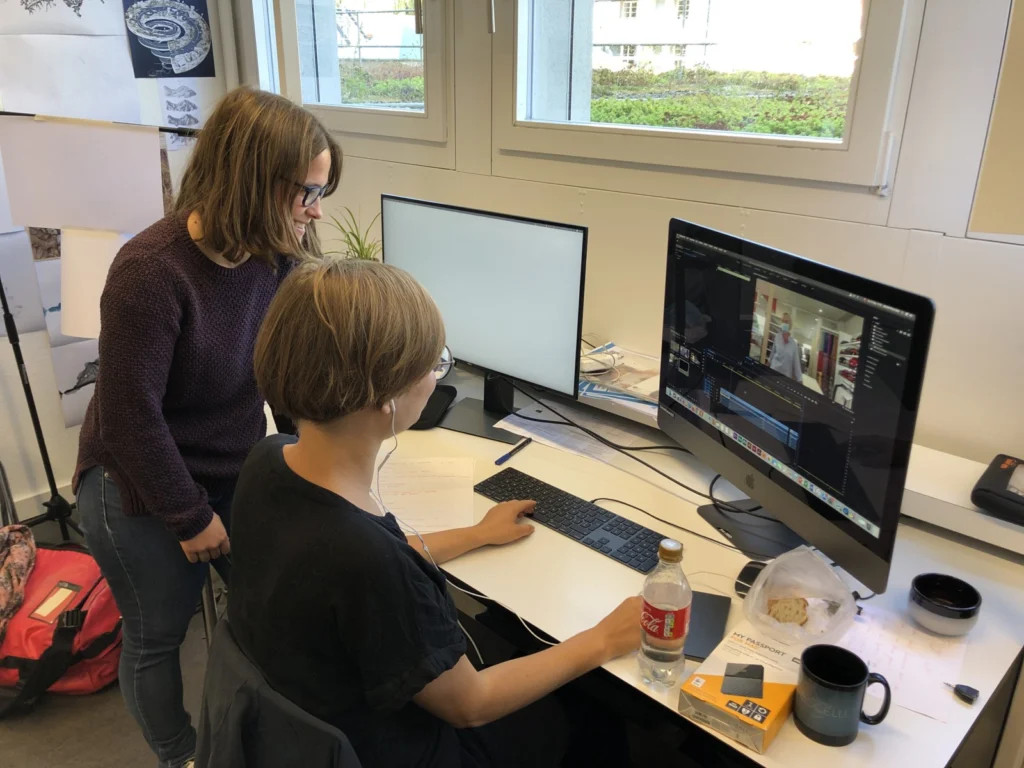
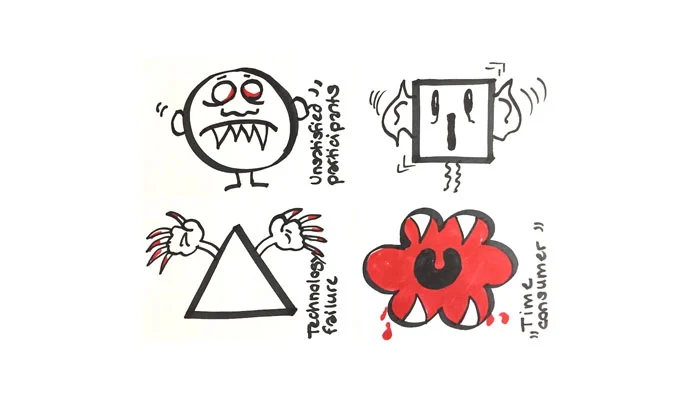
Some people claim that teaching online courses or virtual workshops is not very different from face-to-face meetings. In my experience, however, it is much harder to sneak away secretly from a half-occupied seminar room than to withdraw from a virtual meeting where you simply mute the speaker to work on your emails located only one mouse click away. And that’s not all! In contrast to physically pr ...[Read More]
Why social inequalities matter for hydrologists?
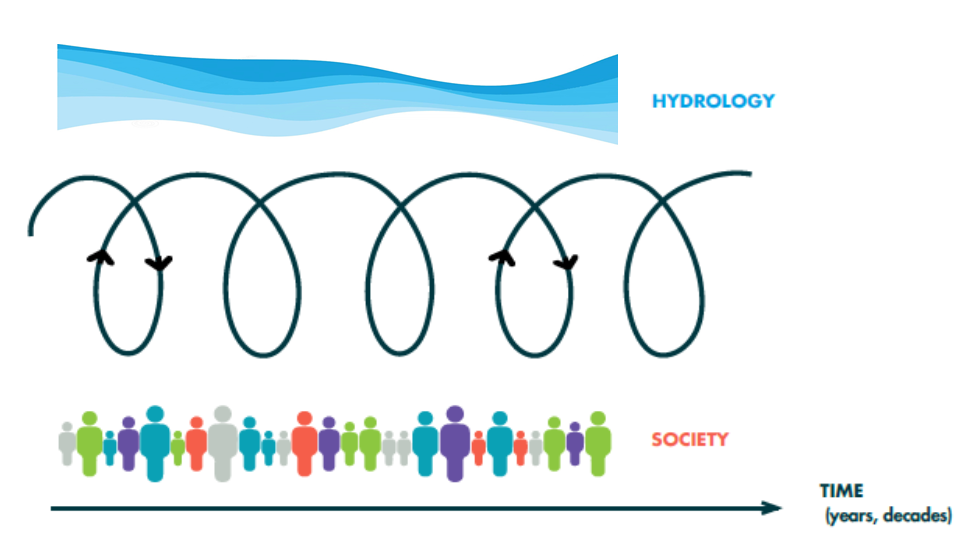
After a few years spent at an Earth Science department researching social inequalities and hydrological extremes — i.e. floods and droughts — I have often been asked these rhetorical questions: “Isn’t it obvious that the weakest individuals or social groups suffer the most in case of extreme hydrological events? So, why should we study these inequalities?” Driven by these questions, and the years ...[Read More]
Do you know about the 3MT competition? What a challenging experience for a PhD student!
Effective communication plays a vital role in our PhD life. We spend significant amount of time working on a desk or in a lab performing our research for many years. However, if we do not effectively communicate our results and ideas to other scientists and researchers, our research will be unacknowledged. Of course, we all learn how to give scientific talks, via PhD concept talks, final defenses ...[Read More]