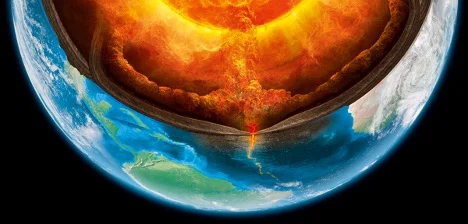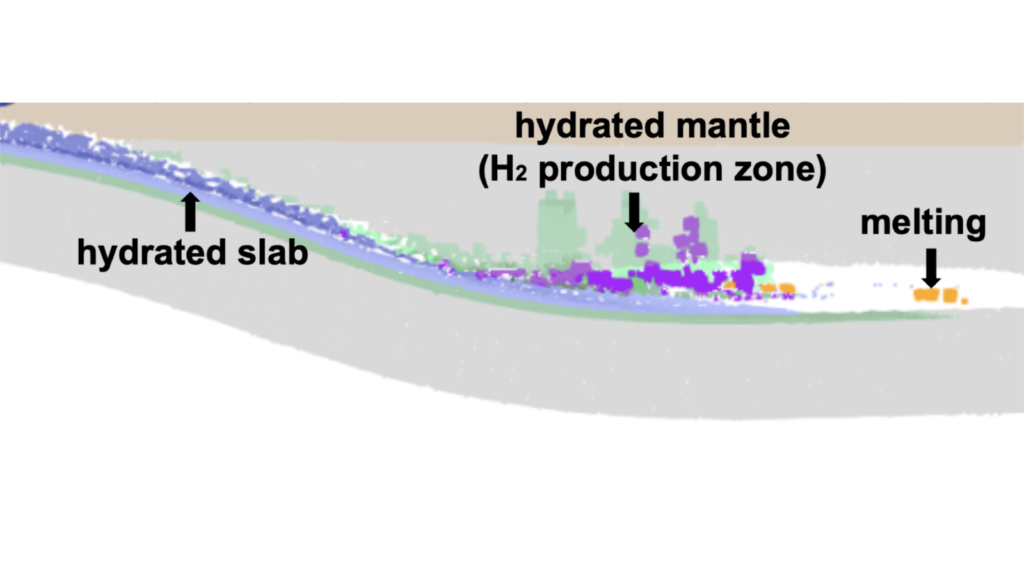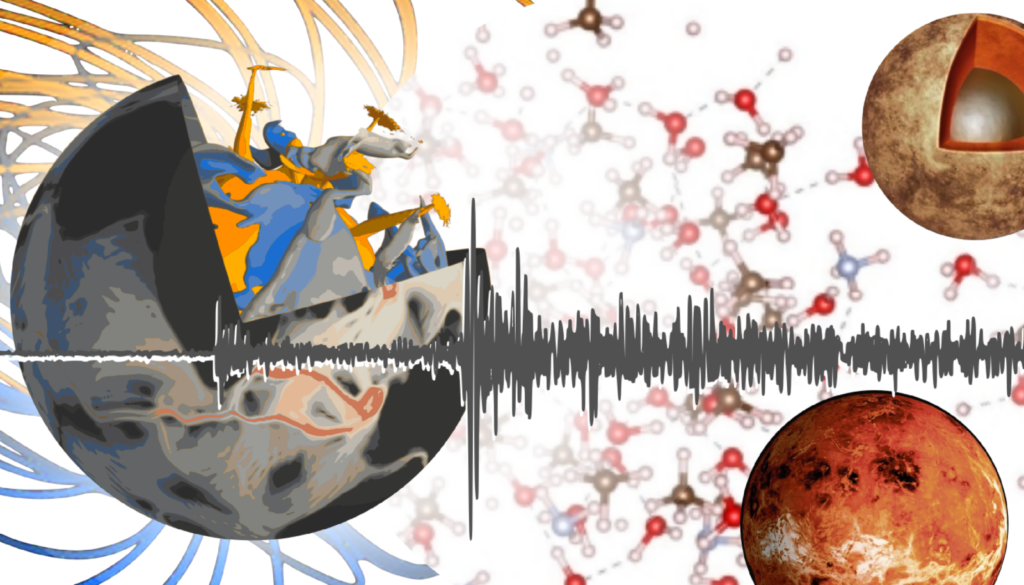
Dihydrogen (H2) is a promising source of energy that may allow reducing carbon emissions in industry and transportation. Artificial production methods have been explored, natural sources of H2 (also called white dihydrogen) offer a more eco-friendly and cost-effective production process. In this week’s blog post, Alexis Gauthier, a PhD student from ISTeP, France, is discussing the H2 production pr ...[Read More]
News & Views
Science Sisters Season 2 is out now!
Science Sisters is a lighthearted interview series where Iris van Zelst (postdoc at the German Aerospace Center) chats with lots of different people (with a focus on – but not limited to – women in science) to make some sense of the academic world. Filled with laughter and silliness, it explores different career paths, academic life, soft skills, and current issues in academia. At 15 t ...[Read More]
Unveiling the Secrets of the Deepest Inland Trough: The Denman Terrestrial Campaign
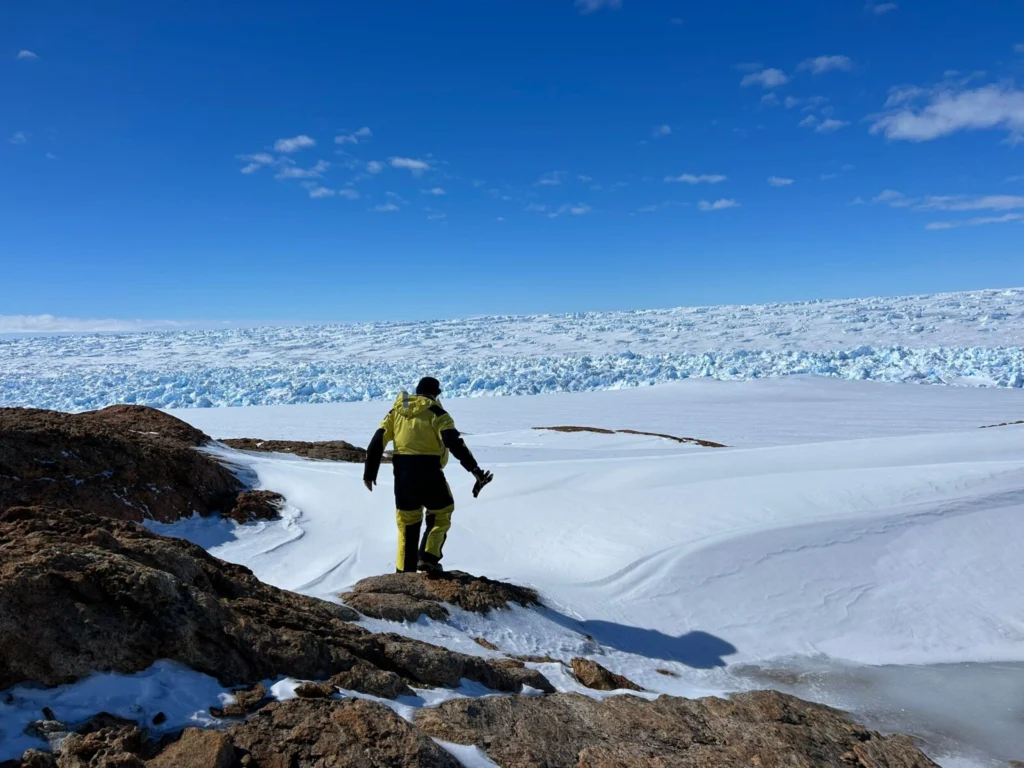
Greetings from the heart of Antarctica! This week on the EGU Geodynamics blog, we are thrilled to share an exclusive insight into the groundbreaking Denman Terrestrial Campaign. Live from the icy expanse of the white continent, a team of geophysicists—Shyla Kupis, Dr. Lu Li, Dr. Mareen Lösing, Dr. Coti Manassero, Dr. Tobias Stål, and Dr. Kate Selway—will take you on a journey through their remarka ...[Read More]
Multiengine-driving Tethyan evolution
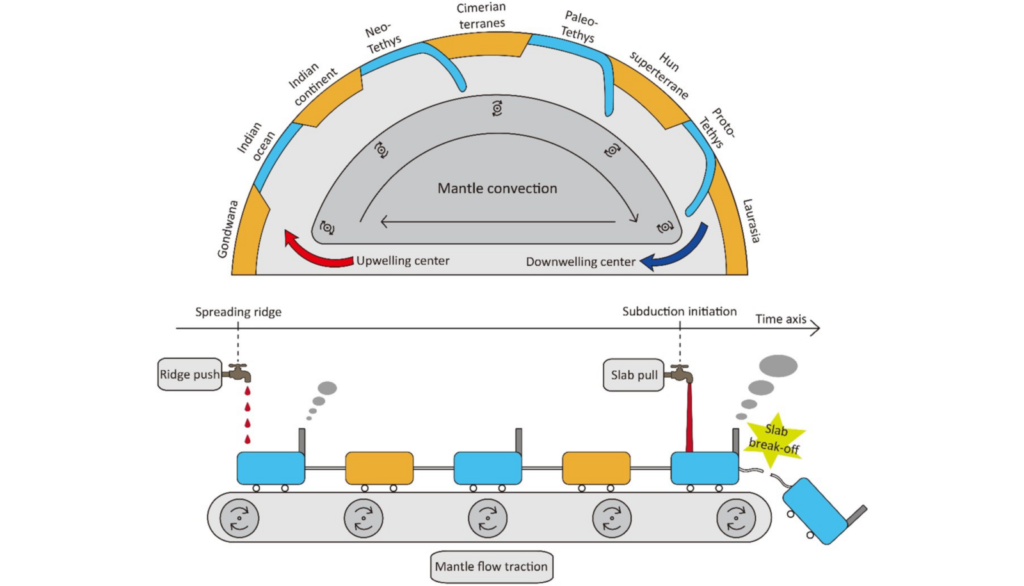
The highest mountain range in the Alps in the Western Europe, the towering peaks of the Himalayas in Asia, and ~1/3 world crude oil production in the middle east – what brings these remarkable nature gift together? The answer is Tethyan orogenic belt, which spans across the entire Eurasian continent. This week, we are privileged to have Prof. Zhong-Hai Li from the University of Chinese Academy of ...[Read More]
Can we predict floods accurately, fast and everywhere?
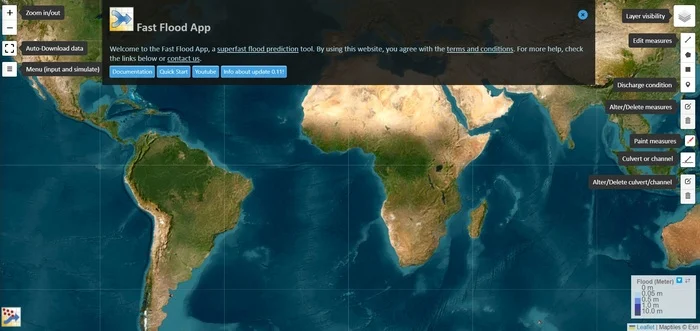
The impact of climate change has already and will continue to cause frequent flooding episodes all over the world, with devastating consequences not only for our society but for our natural habitat as well, should we not take immediate action. Therefore, have you ever wondered, what would happen if there was an effective flood modelling system that could quickly run simulations from global dataset ...[Read More]
The enigmatic tectonics of the Caribbean Large Igneous Plateau
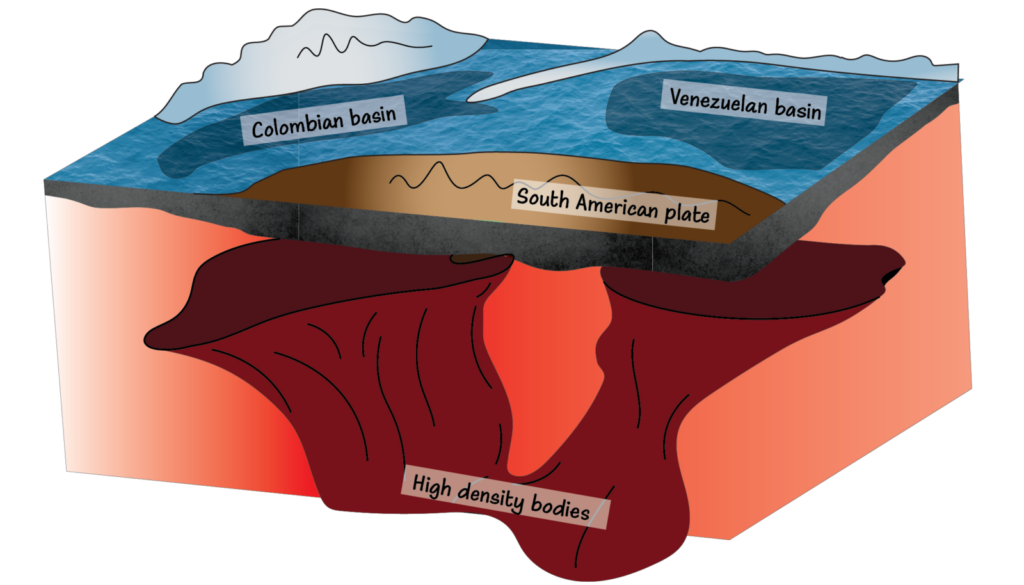
As we approach the Christmas break and the end of the year, what resonates with the concept of ‘holidays’ more than the Caribbean? In this week post, Angela Gomez-Garcia, postdoc at the Geoscience Institute of Barcelona, and Eline Le Breton, professor at Freie Universität Berlin, take us on a geodynamic journey through the Caribbean Large Igneous Plateau and its enigmatic connection with the Galáp ...[Read More]
Exploration of Deep Earthquakes and Planetary Interiors
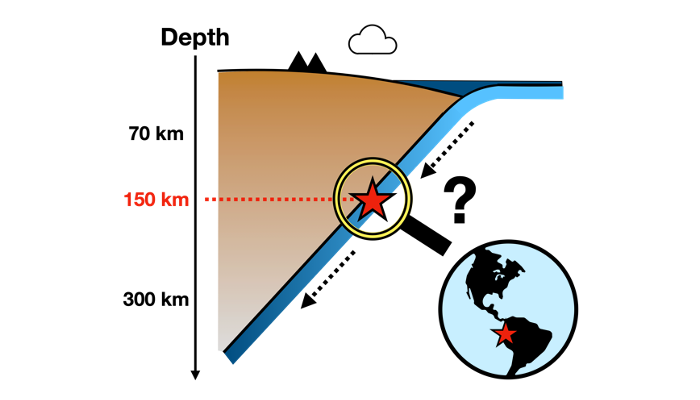
Most earthquakes on Earth start in the shallow, brittle part of the planet. However, there are several regions where earthquakes happen deep in the mantle. Where are these regions? Why do these earthquakes get so deep? In this week’s blog post, Ayako Tsuchiyama from the Massachusetts Institute of Technology (MIT) takes us on a journey into the mysterious world of deep earthquakes. Growing u ...[Read More]
Geodynamica: Earth & Planets – a new diamond open access journal!
Do you want to publish and access papers for free? Do you want to improve the system by promoting equitable publishing alternatives? Then read on to learn about Geodynamica: Earth & Planets: a new community-powered Diamond Open Access Journal (DOAJ)! Join the conversation on discord by following this link. Diamond Open What? Diamond Open Access journals are peer-reviewed journals that are free ...[Read More]
Modelling Magma Propagation in Three Dimensions – Or: How I Learnt to Stop Worrying and Love Simplicity
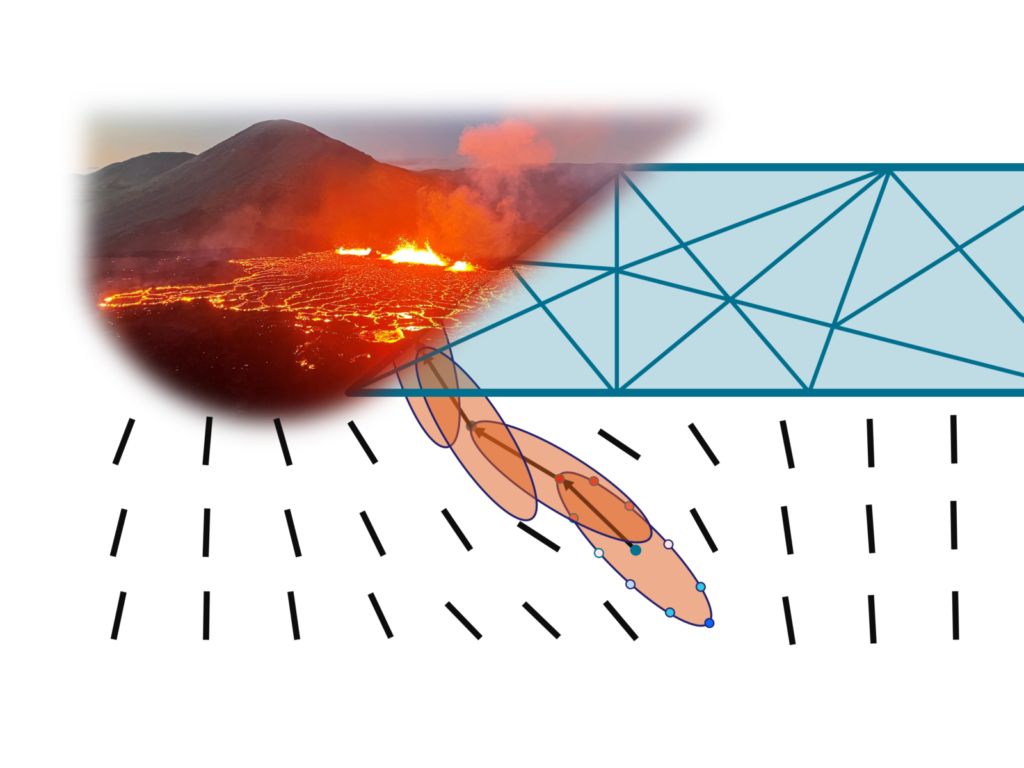
The crisis unfolding these days in Grindavík, Iceland reminds us of how important it is to forecast volcanic activity. Predicting the outcomes of volcanic unrest, or a magmatic intrusion making its way towards the surface, essentially amounts to three questions. Will there be an eruption? How much time before it starts? Where exactly will the eruption occur? Answering any of these questions is a d ...[Read More]
Slow Evolution of Europa’s Interior
“Europa may be one of the most promising places in our solar system to find present-day environments suitable for some form of life beyond Earth.” This week in News & Views, Kevin Trinh, a PhD student at Arizona State University, discusses how his recent works on Jupiter’s moon Europa can enlighten us about the evolution of Europa’s interior. One of the most promising p ...[Read More]