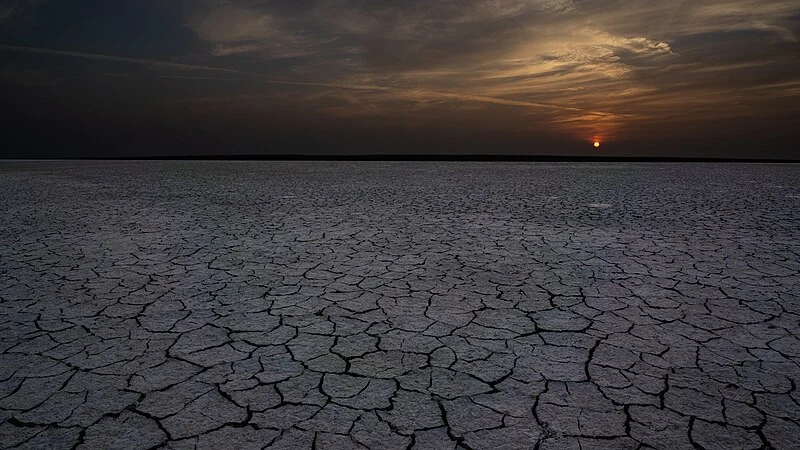
The Rising Need for Interdisciplinary Literacy The sustainable management of water resources requires cooperative institutions whose development are rarely included in already overloaded engineering and earth sciences curricula. The resilience of such institutions in the context of climatic and demographic change is also poorly understood. Enter “Thirsty Earth,” an online open-access multiplayer simulation game designed …[Read More]
Science, Policy & Society
EGU is more than just a conference! – An Update from the Heart of the European Geosciences Union
Behind the European Geosciences Union (EGU) is a dedicated team ensuring smooth operations for our 20,000+ members. The entire EGU Council recently convened in person, fostering essential dialogue among council members, including the 22 Division Representatives and us, the Early Career Scientist (ECS) Division Reps. Read on to delve into the latest developments and initiatives …[Read More]
Interdisciplinary research within hydrology
Interdisciplinary research within hydrology has become a major task for hydrologists. But what are the main advantages and challenges reflecting to break the academic silos? What is interdisciplinary water research? Interdisciplinary research activities within human-water research have increased in recent years, not only in terms of research proposals and requests from funding agencies (such as …[Read More]
Water justice in hydrological research
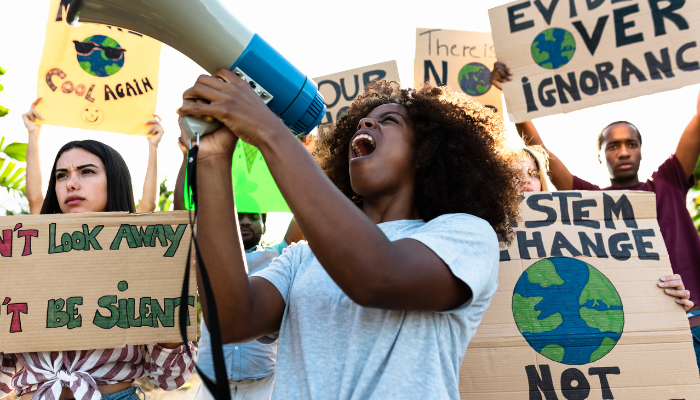
Water justice has become a crucial discussion in the past decades. Some of the core aspects reflect the questions about who gets involved in the decision-making process, who has access to drinking water, or who gains from flood alleviation schemes. Many hydrologists are struggling to find an answer to these major challenges. The rise of …[Read More]
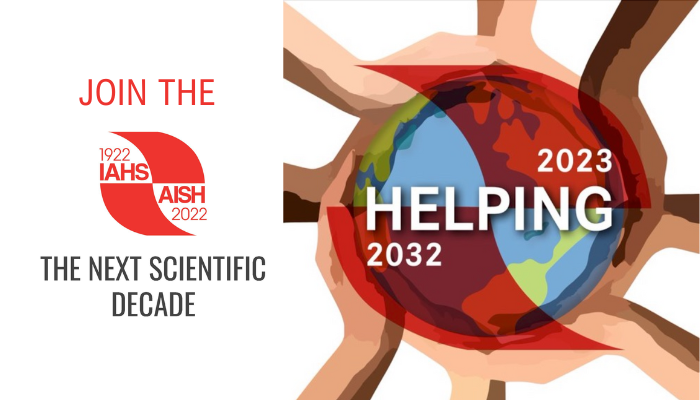
Join the IAHS’ New Scientific Decade: Science for Water Solutions – HELPING
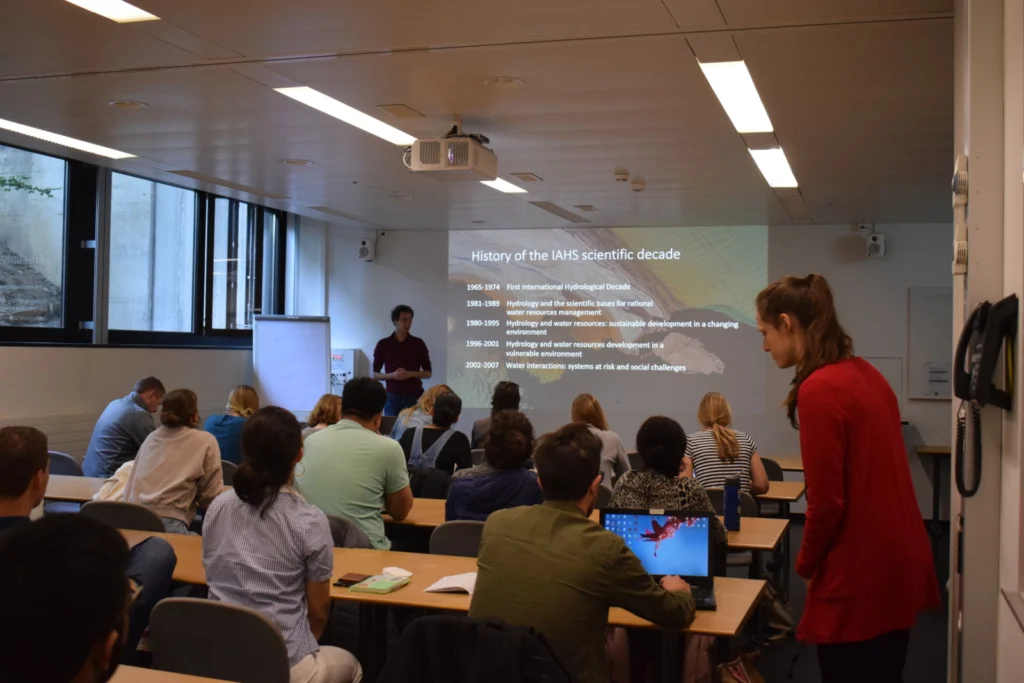
What are the most pressing research topics in the international community of hydrologists? What are people working on? And how can you become involved? Many hydrologists, especially early career scientists, struggle to find answers to these questions. That is where the scientific decades of the International Association of Hydrological Sciences (IAHS) come in. Specifically, its …[Read More]
Ma Terre en 180 Minutes: reducing our carbon footprint with concrete actions
As with all professional activities, one of the greatest challenges for us, geoscientists, is how to reduce our own CO2 emissions linked to our research activities over the coming decades. A collective of 57 researchers came together in 2021-2022 to promote awareness and concrete action to decarbonize scientific activities: it was the birth of Ma …[Read More]
Ending a Decade of Hydrological Research – The IAHS’ Final Panta Rhei Symposium
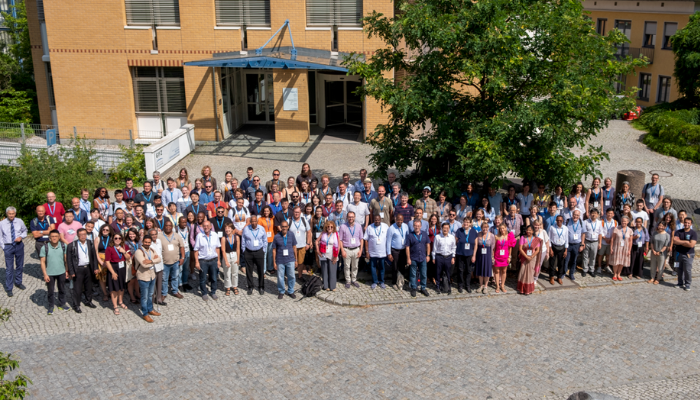
On the 10th and 11th of July 2023, the final symposium for the scientific decade “Panta Rhei – Everything Flows: Change in Hydrology and Society” of the International Association of Hydrological Sciences (IAHS) took place at the German Research Centre for Geosciences (GFZ) in Potsdam. During these two days, 150 hydrologists, engineers, social scientists and …[Read More]
Inter-journal Special Issue “Drought, Society and Ecosystems”
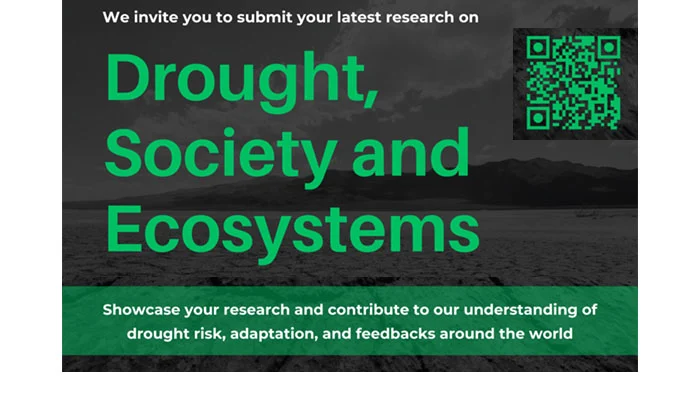
Are you a scientist, researcher, student, practitioner, or stakeholder with an interest in the complex phenomenon of drought and its impacts on societies and ecosystems? If so, we have exciting news for you! The IAHS Panta Rhei scientific decade (2013-2023) working group “Drought in the Anthropocene” (DitA) is advertising an inter-journal special issue entitled “Drought, …[Read More]
From natural streams to urban consumption: Water distribution networks and their strong environmental footprint in a changing climate
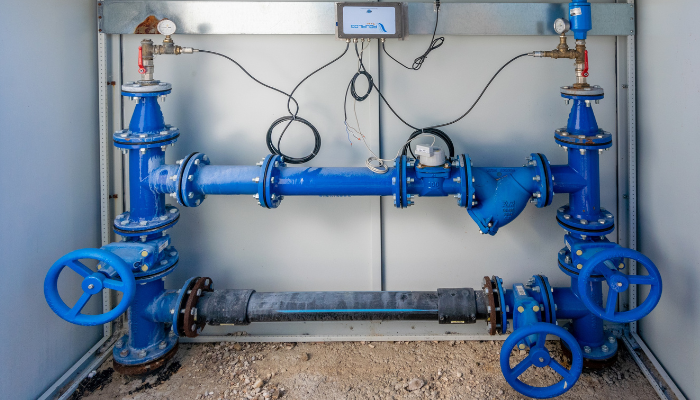
Water distribution networks play a crucial role in ensuring access to clean and safe drinking water. However, they can also have significant environmental impacts, especially in the context of a changing climate. To minimize their environmental footprint, it’s important to adopt sustainable practices by implementing energy-efficient technologies. Freshwater availability: a worsening crisis Today, freshwater reserves …[Read More]
Where should hydrology go?
In 1965, UNESCO launched the first International Hydrological Decade to promote hydrology as an independent scientific discipline. This initiative has since grown into a global movement boosting hydrological research around a changing theme: the International Association of Hydrological Sciences (IAHS) Scientific Decades. The last two decades have shown that community efforts can shape the field …[Read More]