HS
Hydrological Sciences

Featured Catchment

HydroTalks Podcast: Prof. Jan Seibert about hydrological models, experimental catchments and advice for early career scientists

HydroTalks Podcast: Prof. Jan Seibert about hydrological models, experimental catchments and advice for early career scientists
For this episode, we’re thrilled to welcome Prof. Jan Seibert, based at the Department of Geography, University of Zurich. His research focuses on hydrological modelling under landscape change, citizen science through the CrowdWater app, and large-scale modelling studies. He is also the Henry Darcy medal winner of 2025. You can check out the podcast below, or read the interview summary in this blo ...[Read More]

The Lutz Creek watershed of Barro Colorado Island, Panama

The Lutz Creek watershed of Barro Colorado Island, Panama

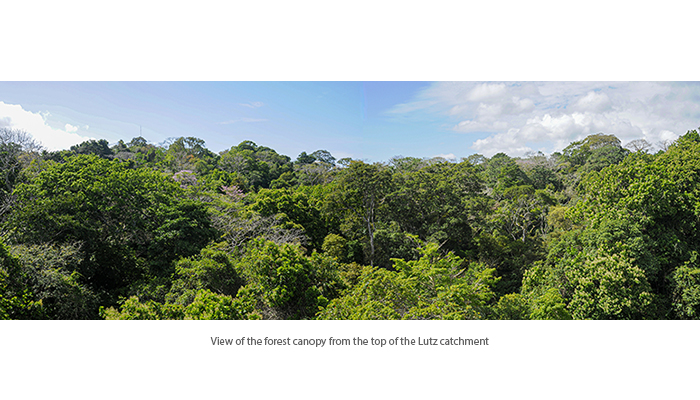
The Lutz Creek watershed, administered by the Smithsonian Tropical Research Institute (STRI) on Barro Colorado Island (BCI), is one of the longest continually monitored, micro-catchments in the neotropics. This catchment is central to the long-term climate and hydrological monitoring program that STRI has operated on BCI since 1972. The information derived from this program plays an essential role ...[Read More]

Featured catchment: Hydrometeorological observations in an agricultural landscape in the Czech Republic

Featured catchment: Hydrometeorological observations in an agricultural landscape in the Czech Republic

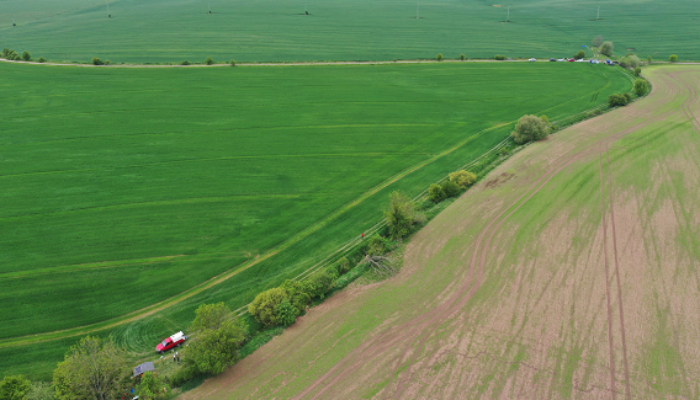
The Nučice experimental catchment (0.531 km2) is located 30 km east of Prague in an agricultural landscape in the Central Bohemian Region, Czech Republic (Figs. 1 and 2). The cultivated landscape and climatic conditions are representative of farmlands of the Czech Republic. To understand water balance, rainfall-runoff and soil erosion processes on the cultivated landscape, we started hydrological ...[Read More]

Featured catchment: The Alento Hydrological Observatory in the middle of the Mediterranean Region

Featured catchment: The Alento Hydrological Observatory in the middle of the Mediterranean Region

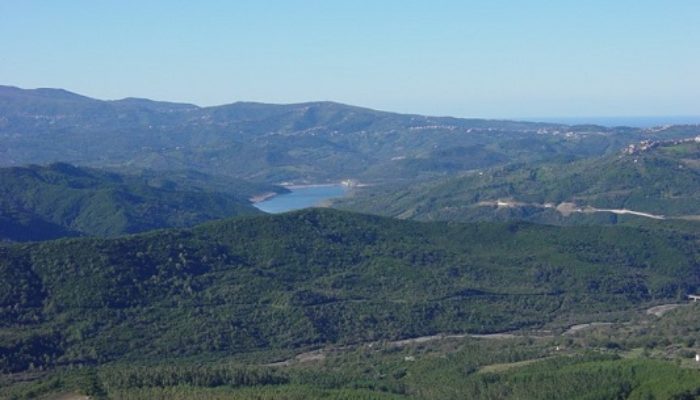
Importance of investigating water fluxes in Mediterranean catchments MOSAIC (Modeling and Observing a mosaic of processes for Soil and water resources management in the Alento critical zone and Implementing adaptation strategies to climate and land use Changes) is an interdisciplinary research program that was established by the Soil Hydrology Group of University of Naples Federico II (Italy) and ...[Read More]

Running a live stream of proglacial processes

Running a live stream of proglacial processes

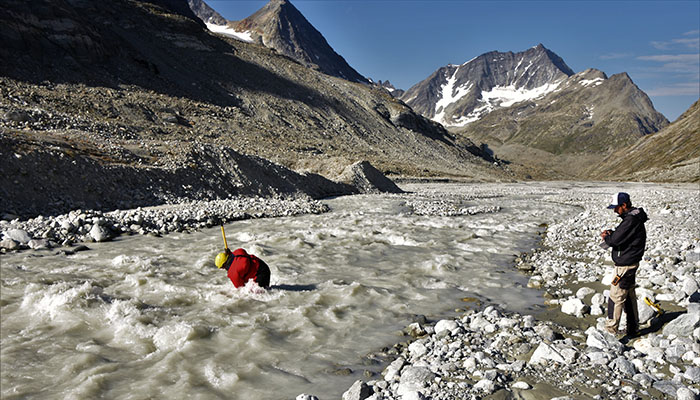
In Switzerland, nothing is really remote, but some places are more so than others. Dense infrastructure networks typically provide convenient access to research sites in the Alps where it is difficult to feel far away from home. However, this is not always the case… For us, our home for the summer is a bit different. We work at 2400 m above sea level in Southern Switzerland, in a narrow vall ...[Read More]

Featured catchment: Water Towers of Mesopotamia: Snow feeding the cultural heritage

Featured catchment: Water Towers of Mesopotamia: Snow feeding the cultural heritage

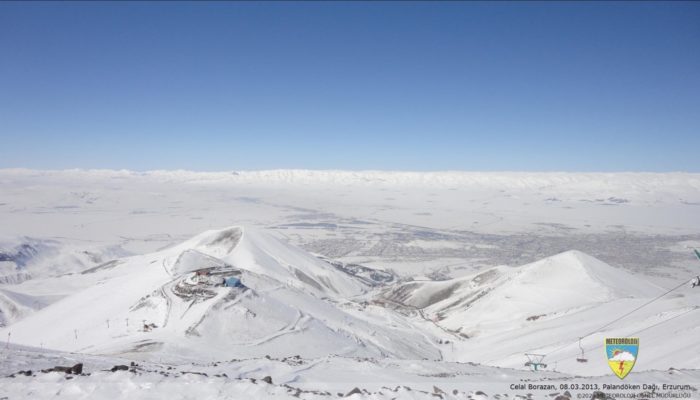
Importance and challenges of snow modelling in Turkey Snow and glaciers in the high mountains play a crucial role for 1.6 billion people living downstream of mountainous areas. Thus, understanding snow dynamics is crucial for downstream irrigation, hydropower, flood control etc. In eastern Anatolia, Turkey (the mean elevation is around 1140 m), much of the precipitation falls as snow and is retain ...[Read More]

Featured Catchment: The Weierbach – Yet another temperate forested headwater?

Featured Catchment: The Weierbach – Yet another temperate forested headwater?

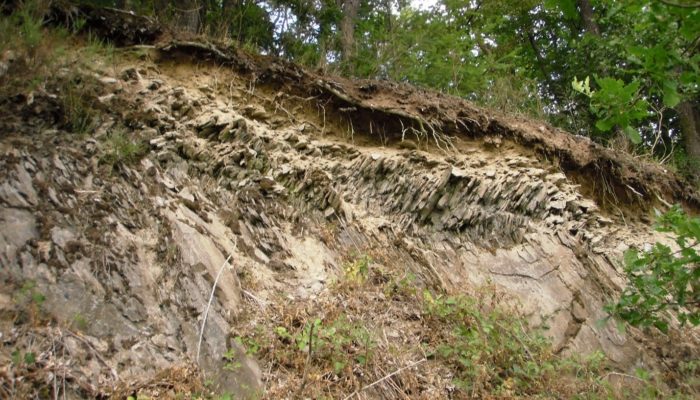
Slate bedrock, an often overlooked system At first sight, the Weierbach catchment may seem unspectacular. It is indeed a small (42 ha) forested headwater catchment, located at mid-latitude in a low mountain range (450-500 m a.s.l.). However, when you take a closer look, and particularly below the surface, the Weierbach is a truly exciting eco-hydrological system. Located in the Luxembourgish Arden ...[Read More]

Featured catchment series: The San Carlos Catchment in northeast Costa Rica, a multi-scale hydrological observatory to leapfrog data scarcity in the tropics

Featured catchment series: The San Carlos Catchment in northeast Costa Rica, a multi-scale hydrological observatory to leapfrog data scarcity in the tropics

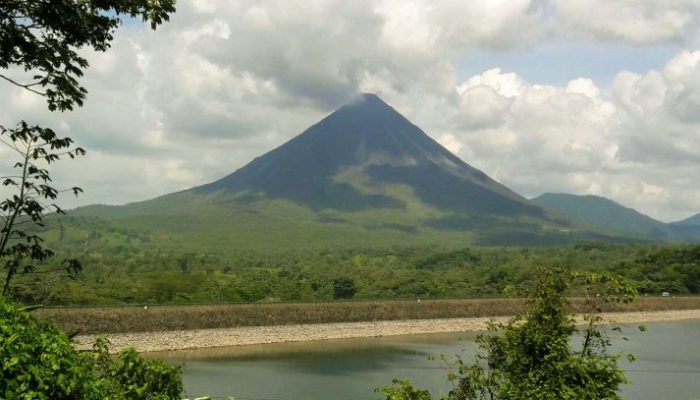
Tropical ecosystems are of major hydrological importance for regional and global climate systems and are characterized by greater energy inputs, higher rate of change and dynamics compared to other hydroclimatic regions. Nowadays, the anthropogenic influence in the climate crisis exerts enormous pressure on tropical hydrological systems. This growing pressure affects water quality and quantity, wh ...[Read More]

Featured catchment series: The Rio Vauz catchment – long-term hydrologic observations in the Dolomites

Featured catchment series: The Rio Vauz catchment – long-term hydrologic observations in the Dolomites

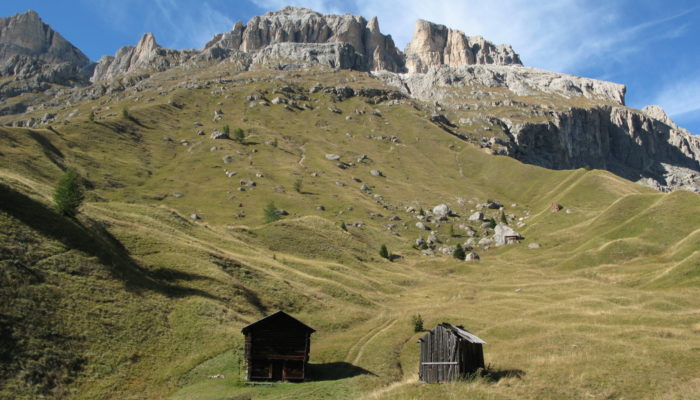
Dolomitic landscapes are characterized by vertical rock cliffs and soil-mantled hillslopes originated from glacial or colluvial deposits, which hide a complex subsurface aquifer due to the permeability of the dolomitic rocks. To improve the understanding of the hydrological functioning of such complex hydrogeological systems, the hydrology group of the Department of Land, Environment, Agriculture ...[Read More]

Featured catchment series: Disentangling the ecohydrology of a tropical hotspot!

Featured catchment series: Disentangling the ecohydrology of a tropical hotspot!

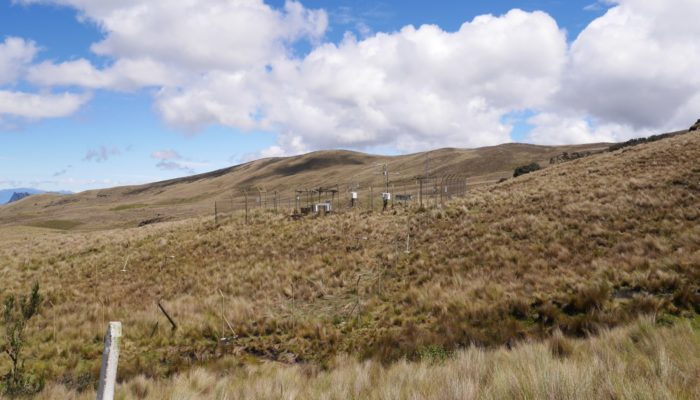
Zhurucay Ecohydrological Observatory: Critical zone observations at the top of the Andes! A natural laboratory of tropical alpine ecohydrology Tropical alpine ecosystems, known as the Páramo, extend to high elevations (3,000-5,000 m a.s.l.) mainly through the northern Andes of South America from Venezuela to northern Peru. Given their geographical location and elevation, Páramo areas are exposed t ...[Read More]