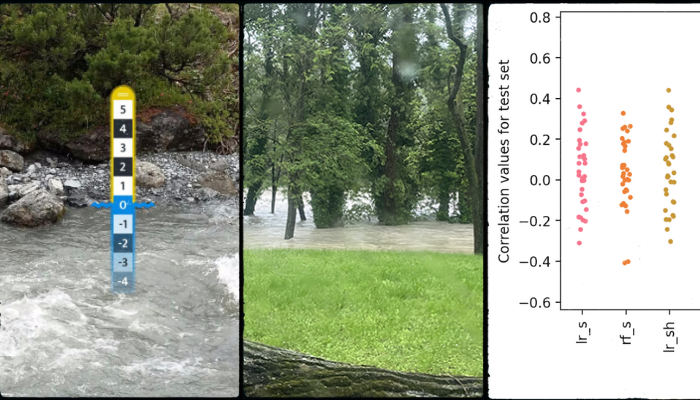
CrowdWater is a citizen science project that enables the collection and sharing of water level data on streams and rivers worldwide using virtual scales. As part of the project, a CrowdWater (CW) mobile application was developed that allows users to take and upload geo-referenced photos of water bodies, which are then processed and stored in a global database. CW data provides valuable information ...[Read More]
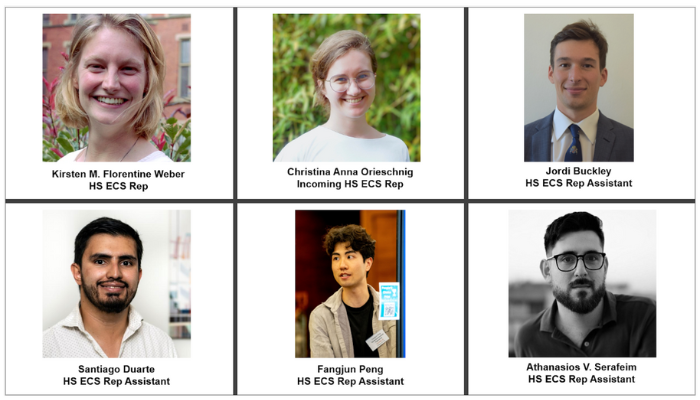
Join the Early Career Scientist Representative (ECS Rep) Team of the Hydrological Sciences (HS) Division of EGU
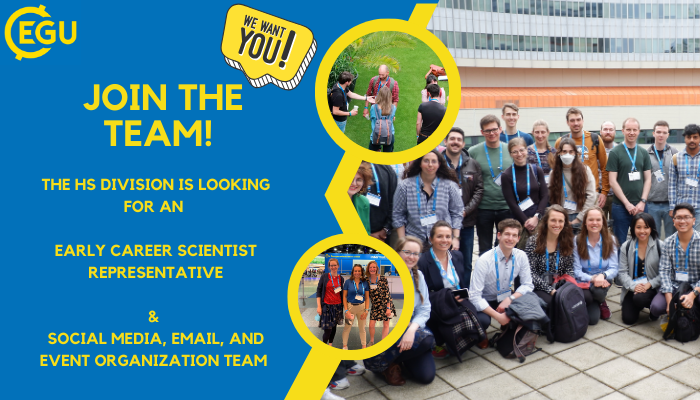
With the General Assembly of the European Geosciences Union (EGU) in Vienna (April 14-19) approaching fast, it’s time to assemble the new team to represent Early Career Scientists (ECS) of the Hydrological Sciences Division! We’re looking for a new ECS representative, as well as team members to coordinate social media, our newsletter, online campfires, and to join our fantastic blog team led by B ...[Read More]
Meet the Hydrological Sciences (HS) Early Career Scientist (ECS) Team
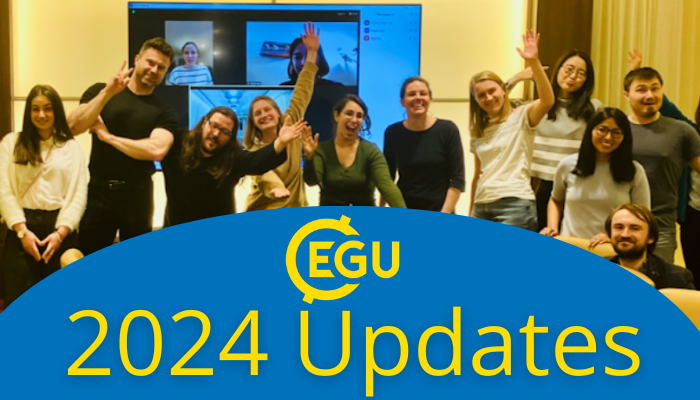
Who Are We? At the forefront of hydrology’s fascinating world, there is a dynamic group of young scientists passionate about understanding the complexities of water in all its forms: The HS Early Career Scientists (ECS) from the European Geosciences Union (EGU). The HS ECS team is a heterogeneous, multidisicplinary and devoted group of passionate individuals from diverse geographical locations wo ...[Read More]
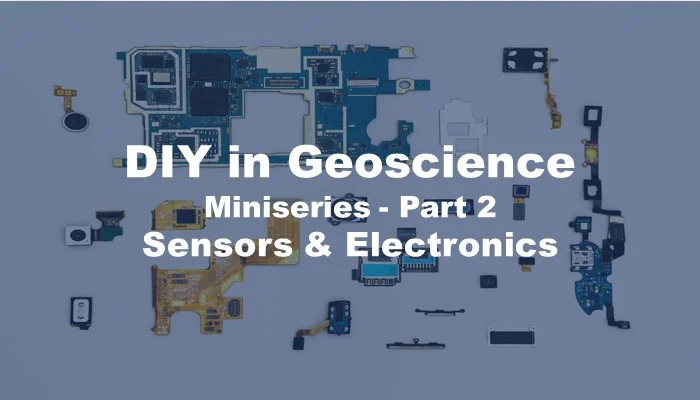
Do-It-Yourself (DIY) in Geoscience Miniseries – Part 2: Sensors & Electronics
As a child, I was a huge fan of LEGO. I would spend hours building and creating structures, vehicles and landscapes. For every birthday & Christmas, I wished for the newest sets of these colorful plastic bricks. While building the sets manually was fun, creating something new from my own fantasy was even better. It seemed like once I had a substantial amount of different bricks, combination po ...[Read More]
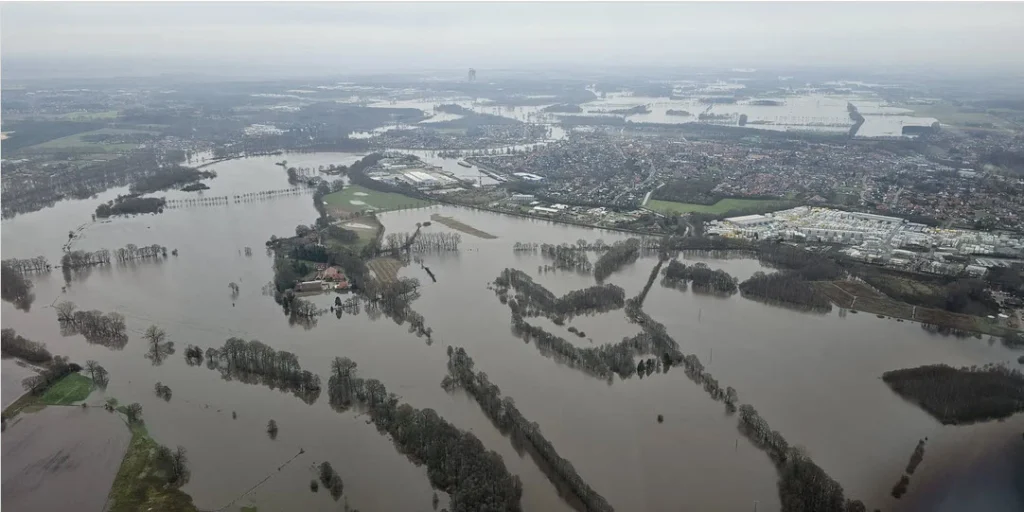
Communicating science to the public – an example after the recent floods in Germany
After the wet December 2023, the year 2024 started with widespread flooding in parts of Europe. Flooding during winter times is not unusual but brings particular challenges in terms of spatial extent, and the impact on people can be exacerbated when flooding comes with very low temperatures. The exceptionally wet and warm winter necessarily triggers questions from the public about how this links t ...[Read More]
May the year-end be Exceptional, not only hydrologically!
What a hydrological year it has been! From the winter drought and flash floods detailed in Matano and Avanzi‘s blog post to the remarkably warm and wet November 2023, Europe has witnessed a range of extraordinary weather phenomena. In the Alpine region, the convergence of warm and wet weather resulted in numerous rain-on-snow events (see eg. the streamflow recording below), offering valuabl ...[Read More]
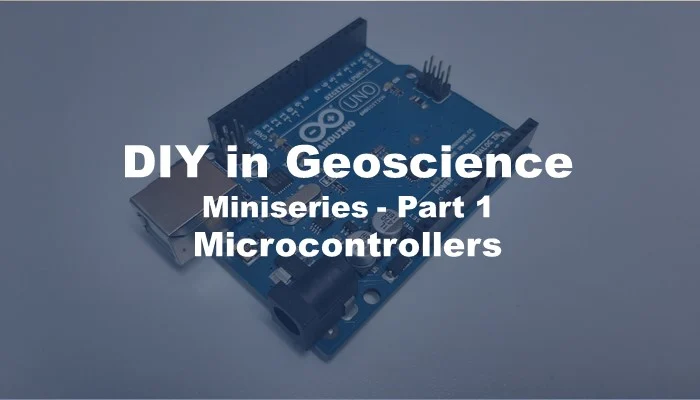
Do-It-Yourself (DIY) in Geoscience Miniseries – Part 1: Microcontrollers
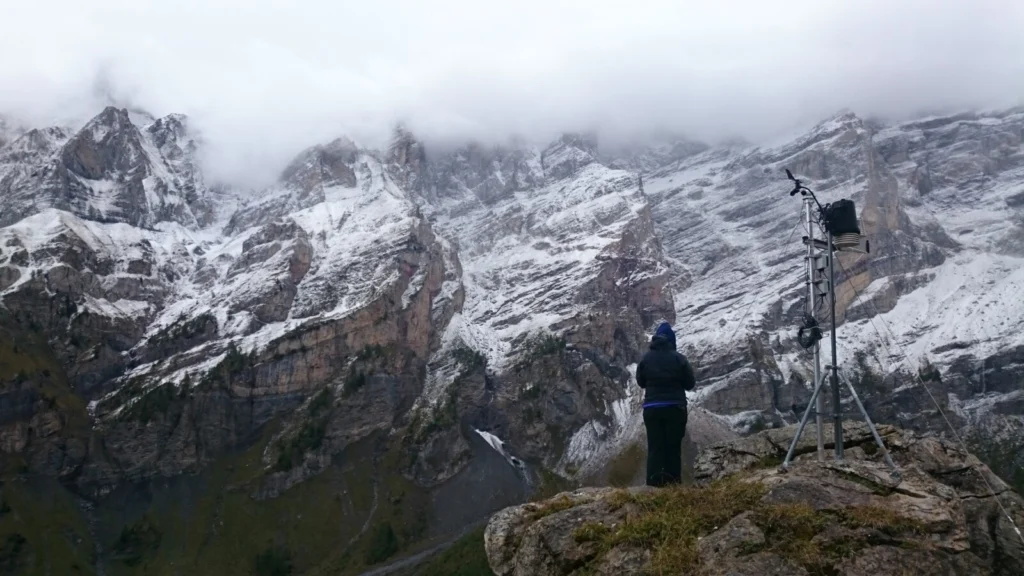
We geoscientists need all different kinds of data: soil moisture, water-levels, snow height, radiation, precipitation height and the list goes on. However, the devices we need to generate that data are often too expensive, not available or even don’t exist. Therefore, it’s sometimes necessary to build them yourself (like many geoscientists do – those who annually present their senors p ...[Read More]
Interdisciplinary research within hydrology
Interdisciplinary research within hydrology has become a major task for hydrologists. But what are the main advantages and challenges reflecting to break the academic silos? What is interdisciplinary water research? Interdisciplinary research activities within human-water research have increased in recent years, not only in terms of research proposals and requests from funding agencies (such as t ...[Read More]
Water justice in hydrological research
Water justice has become a crucial discussion in the past decades. Some of the core aspects reflect the questions about who gets involved in the decision-making process, who has access to drinking water, or who gains from flood alleviation schemes. Many hydrologists are struggling to find an answer to these major challenges. The rise of water justice In recent decades, the question of justice in ...[Read More]
Towards an exciting EGU General Assembly with HS (and more)
The EGU Programme Committee convened in late October to finalize the scientific program for the upcoming General Assembly, GA2024. Their task involved organizing the numerous session proposals, spanning 22 divisions, including Inter- and Transdisciplinary (ITS) sessions, discussing the format of scientific sessions (do expect news for virtual posters and PICOs at GA2024!), the mentoring programme, ...[Read More]