HS
Hydrological Sciences

Science communication

Hydrotalks: IAHS working group leaders and coordinators on HELPING scientific decade, working groups activities, and writing community papers
Hydrotalks: IAHS working group leaders and coordinators on HELPING scientific decade, working groups activities, and writing community papers
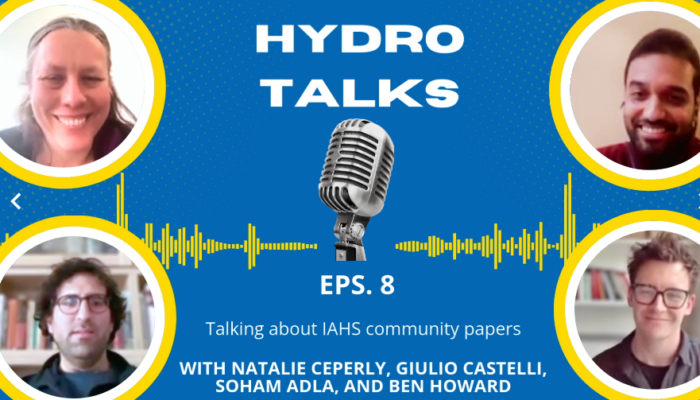
In episode 8 of the Hydrotalks podcast, we hosted four coordinators of  working groups of the HELPING hydrological decade. We warmly welcomed Dr. Giulio Castelli (University of Florence) and Dr. Natalie Ceperley (University of Bern), group co-leaders of Co-Creating Water Knowledge working group; Dr. Soham Adla (ING Bank, Netherlands), a coordinator of Science communication, outreach, and promoting ...[Read More]

How to Create Your Own Water-Themed Audiotour

How to Create Your Own Water-Themed Audiotour

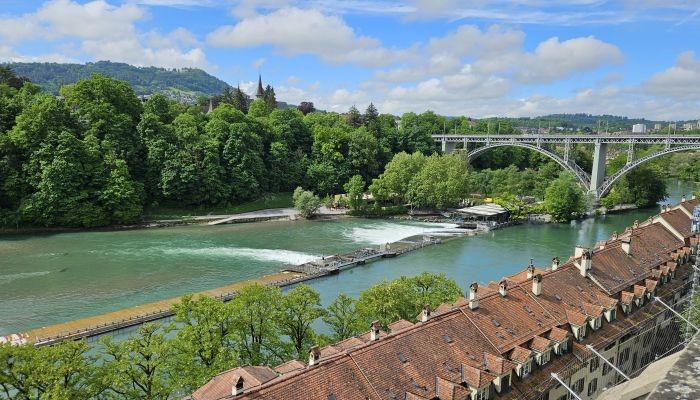
Imagine walking through the Swiss capital, Bern, a city full of water. While you walk, a voice from your headphones guides you along the way and tells you interesting facts about the river and other water sites. You discover the Matteschwelle dam, pass by several fountains, visit a historic weather station, and have a closer look at the clear blue water of the Aare River and its old bridges. This ...[Read More]

HydroTalks Podcast: Professor Li Li on data and models, water chemistry, climate change and science communication

HydroTalks Podcast: Professor Li Li on data and models, water chemistry, climate change and science communication

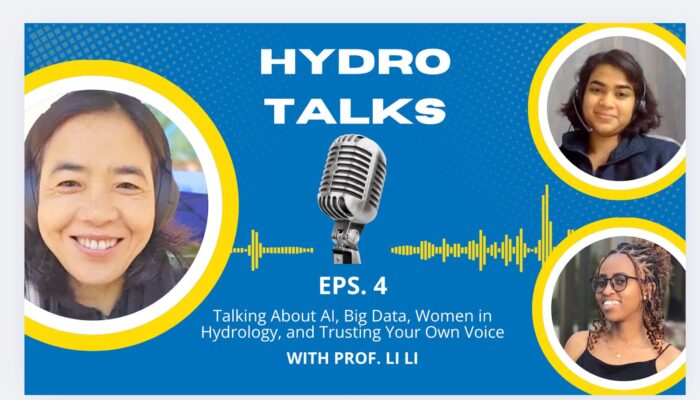
Welcome to HydroTalks, the EGU HS division’s podcast series. In this episode, we interviewed Prof. Li Li (Li Li – Penn State), leader of the Li Reactive Water group at Penn State University. We talked about her research on using data and models for hydro-biogeochemical processes, river water quality, climate change, and research communication. Her research sits at the intersection of h ...[Read More]

Women in Hydrology – The Story of a Special Issue

Women in Hydrology – The Story of a Special Issue

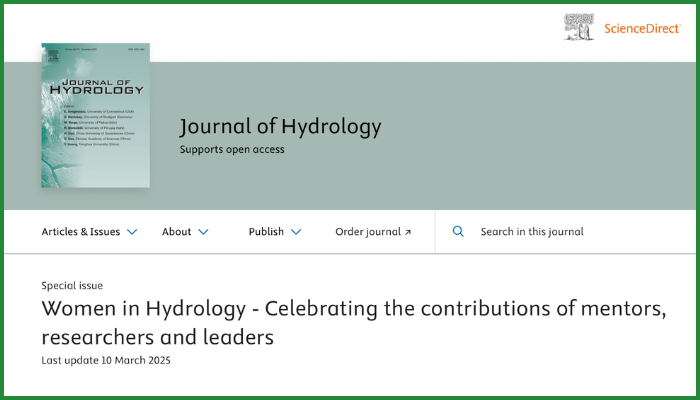
It was 2021, and we were not feeling good.  COVID-19 was in full force.  Personally we were experiencing lockdown conditions, disruptions to our work, schooling and childcare arrangements.  Our social media feeds were lighting up with stories about how women scientists were disproportionately exposed to the negative career impacts of the pandemic.  The US was reeling from the aftermath of George F ...[Read More]