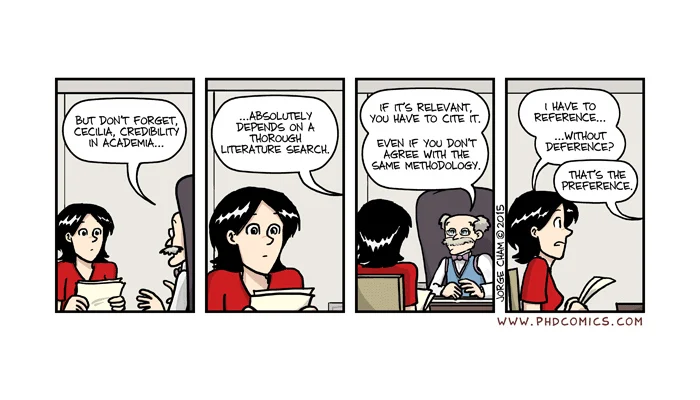
Starting a PhD can feel overwhelming. Objectives and deadlines pile up, making it seem like you are juggling a thousand tasks at once. However, there are a few steps that do help you navigate this experience. One of the very first steps is to perform your literature review, which will serve as the foundation for …[Read More]
Opinion
What are water walks, and how can you use them as a research method to gather social science research data?
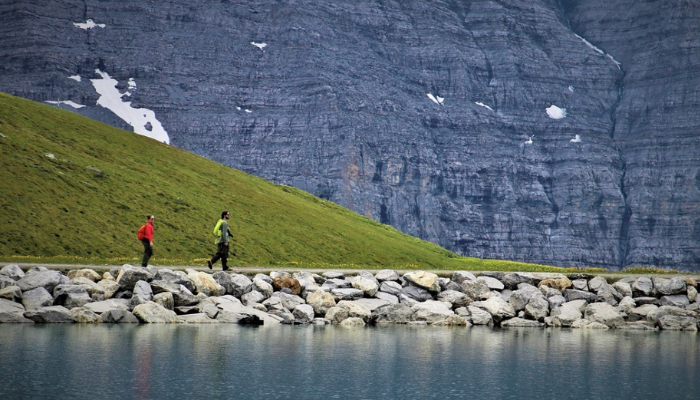
While doing my PhD, which explored community water governance in Scotland, I interviewed participants to understand their work and views concerning communities. I quickly found that I wanted and needed to leave my and their offices to have these conversations. The setting restricted the conversation, making it difficult to connect with what they told me, …[Read More]
Being a Hydrology Coach: Some Ideas for Teaching College Hydrology Classes
Teaching the next generation of scientists, engineers, and planners hydrology may sometimes feel like a chore, but it might be the most impactful thing we do! So, I think it is always worth taking a look to see if we can optimize our approaches. What follows are some ideas that have shaped my teaching strategies …[Read More]
Public engagement in science: how to position ourselves?
The recent student protests against the war in Gaza reminded all of us that being a member of the academic community requires us to reflect upon our role in society. In Switzerland, the university occupations (see SwissInfo) led to several open letter-type reactions from academic staff, either supporting the protests or on the contrary, recalling …[Read More]
Overlooked tips for the lost art of fieldwork
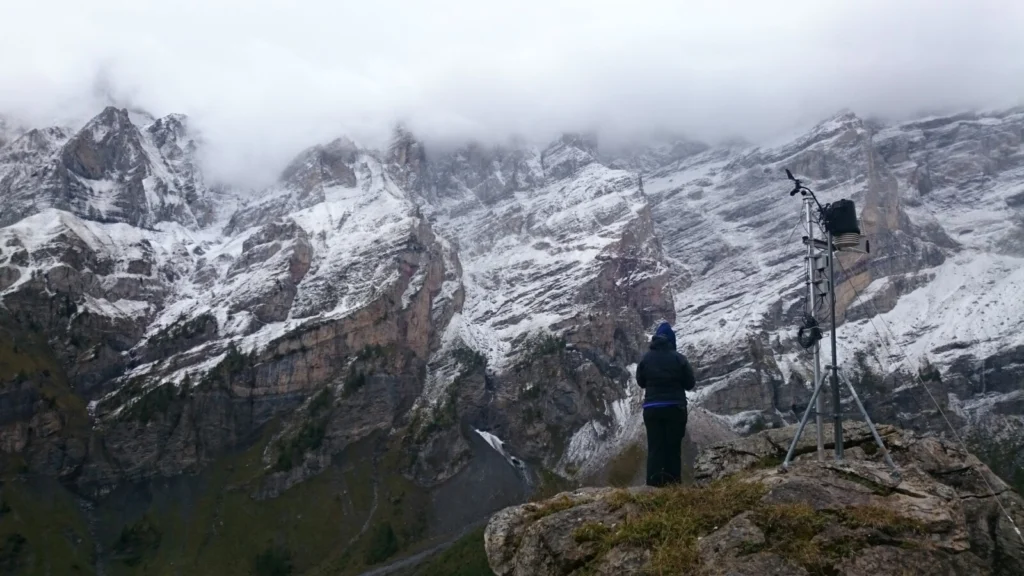
Not so long ago, almost all hydrologic data depended almost exclusively on fieldwork. Today, sure, you can download data from repositories, there are satellites that beam you magic numbers that you can interpret to give you almost any variable, and some (less than we might hope) long-term monitoring has been outsourced to governments (or in …[Read More]
How far can we take the DORA rules?
DORA stands for Declaration on Research Assessment, also known as the San Francisco Declaration on Research Assessment. The declaration was developed back in 2012 during the Annual Meeting of the American Society for Cell Biology in San Francisco and has become a worldwide initiative since then. The country where you are currently reading this post …[Read More]
Ma Terre en 180 Minutes: reducing our carbon footprint with concrete actions
As with all professional activities, one of the greatest challenges for us, geoscientists, is how to reduce our own CO2 emissions linked to our research activities over the coming decades. A collective of 57 researchers came together in 2021-2022 to promote awareness and concrete action to decarbonize scientific activities: it was the birth of Ma …[Read More]
How has ChatGPT changed the way you teach hydrology?
Have you ever used ChatGPT to teach hydrology? If so, when did you start? I opened my account on openai.com in November 2022, out of curiosity, to test GPT-3 (Generative Pretrained Transformer generation 3). This was shortly before ChatGPT was launched (30 November 2022). Now, I even have a paid account to speed up the …[Read More]
The Legend of Zelda: A Link to Learning Hydrology?
Can we learn about hydrology through video games? Plenty of educational video games exist specifically to teach scientific concepts, but lots of these games are not particularly fun. But can popular commercial-off-the-shelf (COTS) video games fulfill the same function of teaching players scientific concepts through tangential learning as a secondary benefit to enjoying the game? …[Read More]
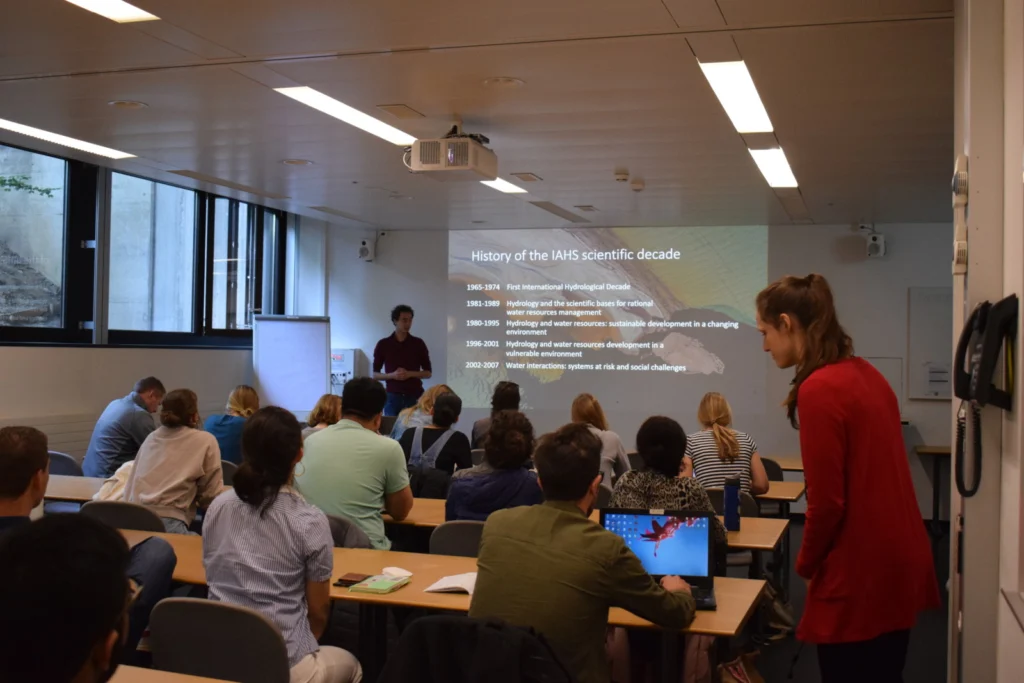
Where should hydrology go?
In 1965, UNESCO launched the first International Hydrological Decade to promote hydrology as an independent scientific discipline. This initiative has since grown into a global movement boosting hydrological research around a changing theme: the International Association of Hydrological Sciences (IAHS) Scientific Decades. The last two decades have shown that community efforts can shape the field …[Read More]