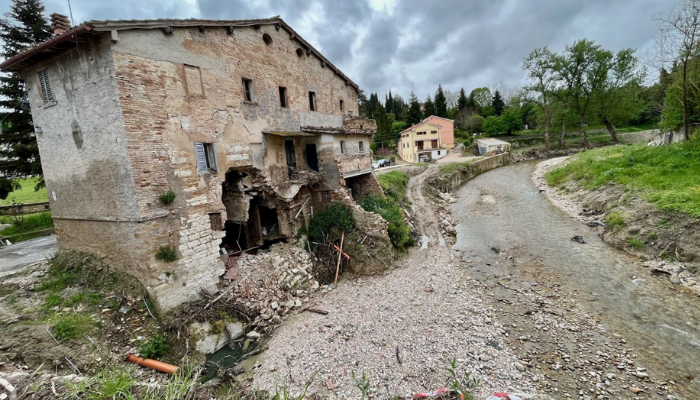
The story so far, and how it developed We left you in part 1 of our blog (Hydrological Sciences | Co-creating water knowledge (Part 1): The history and future of an interdisciplinary working group) two days ago, anticipating what we are doing and how you can get involved with us. The IAHS Working Group on …[Read More]
Hydrological Sciences
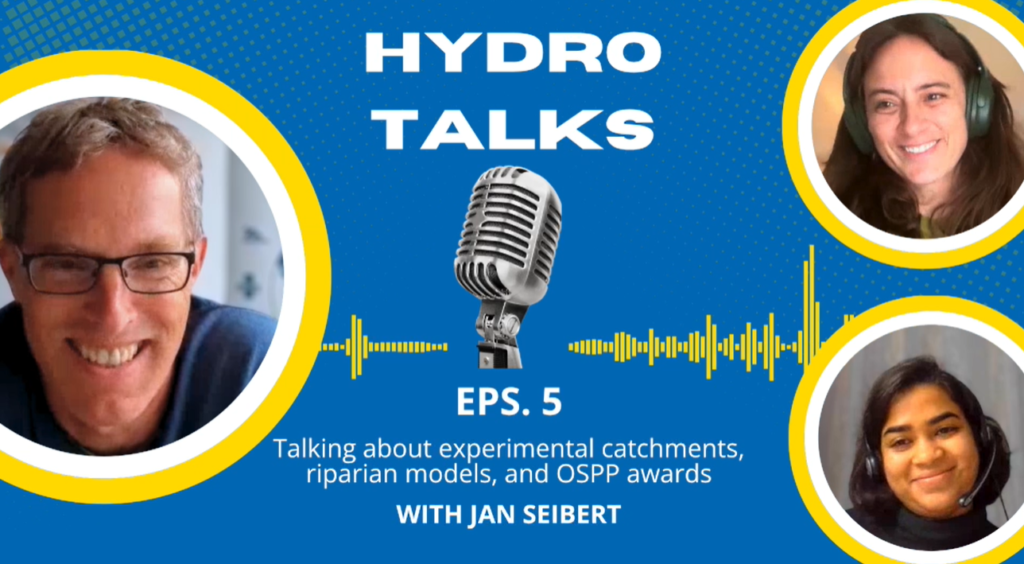
HydroTalks Podcast: Prof. Jan Seibert about hydrological models, experimental catchments and advice for early career scientists
For this episode, we’re thrilled to welcome Prof. Jan Seibert, based at the Department of Geography, University of Zurich. His research focuses on hydrological modelling under landscape change, citizen science through the CrowdWater app, and large-scale modelling studies. He is also the Henry Darcy medal winner of 2025. You can check out the podcast below, …[Read More]
Co-creating water knowledge (Part 1): The history and future of an interdisciplinary working group
HELPING and the co-creation of a working group In 2023, the International Association of Hydrological Sciences (IAHS), inaugurated a new Scientific Decade, called HELPING – IAHS Science for Solutions decade, with Hydrology Engaging Local People IN one Global world. This third decade was established through a bottom-up process, by investigating the interests and the urgency …[Read More]
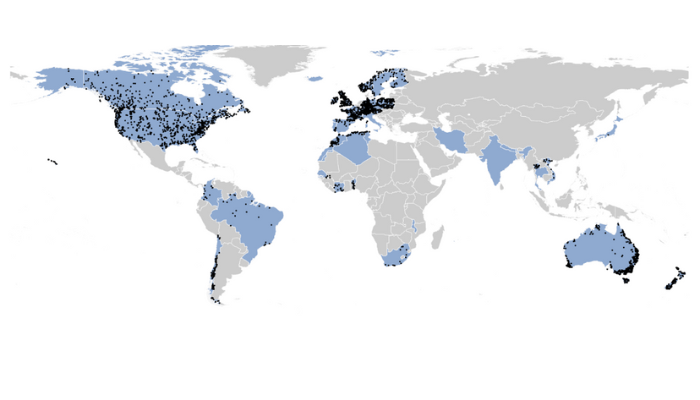
ROBIN: Tracking Climate Change Through the World’s Most Natural Rivers
Hydrological change is one of the clearest signals of climate variability and human impact on the environment. Yet detecting these changes reliably requires robust, long-term data from river basins that are as close to “natural” as possible, with little influence from dams, abstractions, land use change or any other human influences. That’s where the ROBIN …[Read More]
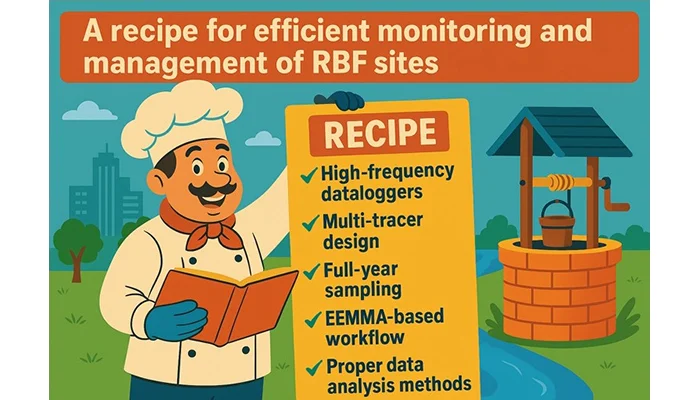
Where The River Feeds The Wells: A Story Of Smart Monitoring For Safe Drinking Water Supply
When a river becomes your drinking water When you open the tap in Tarnów, a charming city in southern Poland with a history dating back to the Middle Ages, chances are that most of the water you are about to drink once flowed in the nearby Dunajec River. Yet between the river and your glass …[Read More]
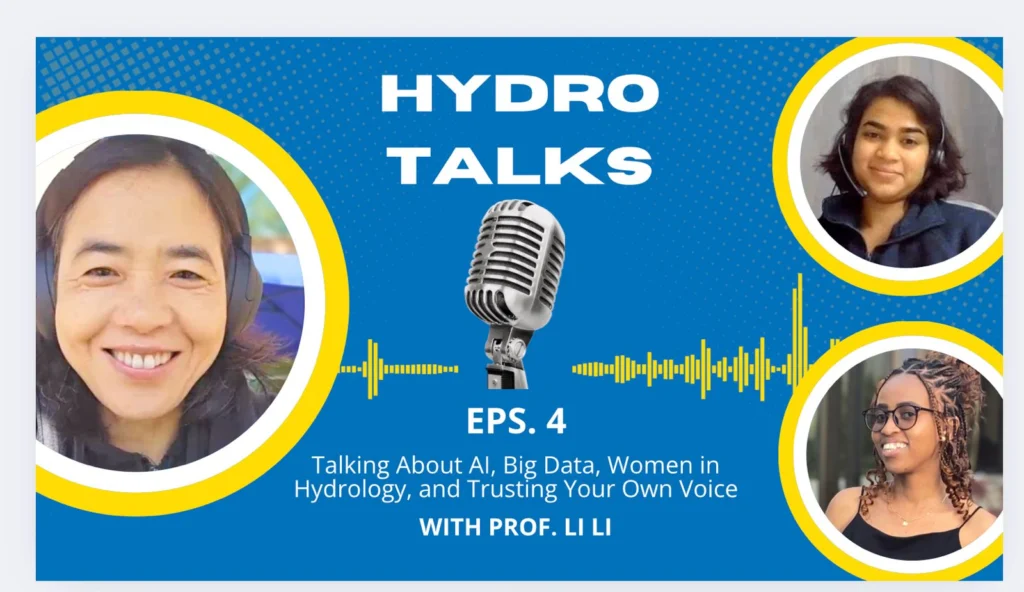
HydroTalks Podcast: Professor Li Li on data and models, water chemistry, climate change and science communication
Welcome to HydroTalks, the EGU HS division’s podcast series. In this episode, we interviewed Prof. Li Li (Li Li – Penn State), leader of the Li Reactive Water group at Penn State University. We talked about her research on using data and models for hydro-biogeochemical processes, river water quality, climate change, and research communication. Her …[Read More]
“What if …?” – Creativity in flood risk management using counterfactual scenarios
Floods are among the most devastating natural hazards, claiming lives and damaging infrastructure. The question of how we can be prepared for these extreme events quickly reaches an almost philosophical level: First of all, what is an extreme event? Second, how can we know what the future will bring? For the last century hydrologists have …[Read More]
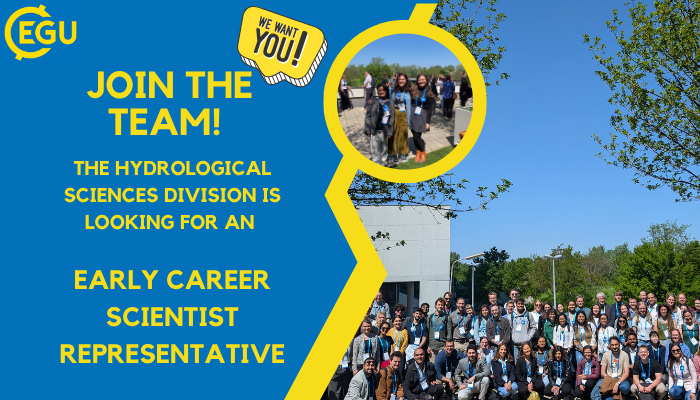
Are you our next HS Early Career Scientist Representative?
It’s time to grow the Early Career Scientists (ECS) team of the Hydrological Sciences Division! We’re looking for the next ECS representative to contribute to coordinating social media, our newsletter, online campfires, our podcast series, and to join our fantastic blog team. Interested? Keep reading to find out more! What do ECS teams do? EGU’s …[Read More]
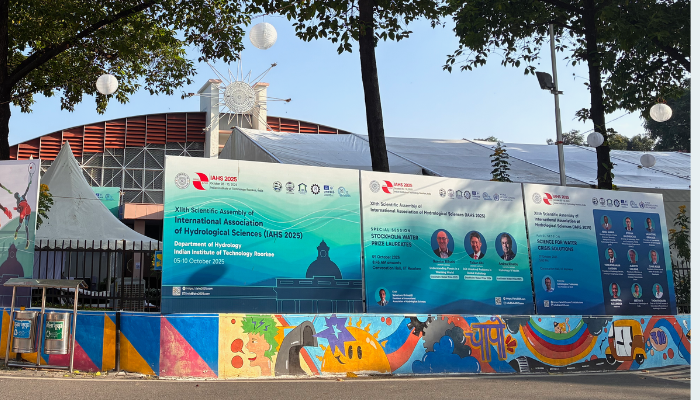
Looking Back at IAHS2025 in Roorkee: Hydrologists Assemble in India
Between October 5 – 10, 2025, the XIIth Scientific Assembly of the International Association of Hydrological Sciences (IAHS) took place in Roorkee, India. Overall, more than 600 hydrologists assembled on the campus of the Indian Institute of Technology (IIT) to share their latest progress, discuss with their colleagues, nurture connections, and celebrate hydrology as a …[Read More]
Passing the French Concours for a Permanent Research Position: Joining an Interdisciplinary Research Unit on Water and the Global South
For most early-career hydrologists, securing a permanent position as a researcher or assistant professor is a major aspiration. Yet, with the proliferation of short-term contracts, achieving this goal has become increasingly challenging. In France, the academic system still offers an annual opportunity for young hydrologists and hydrogeologists to obtain such positions, even though the process …[Read More]