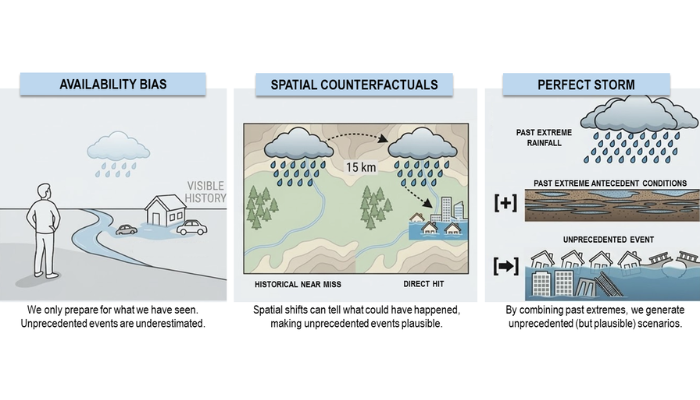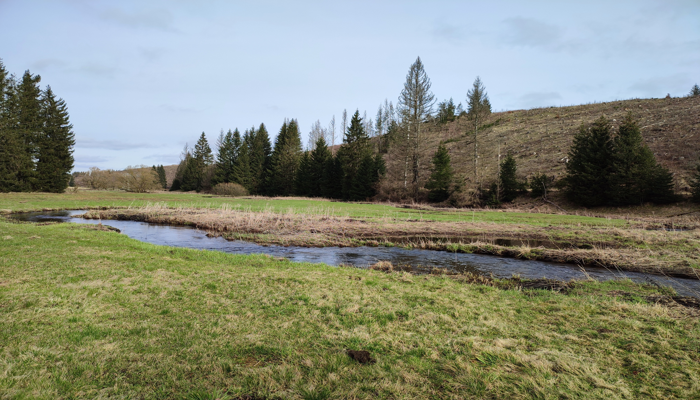
The aim of risk management is to prepare society in order to limit loss and damage when an extreme event occurs and to restore the functioning of society afterwards . While current risk management practices are helpful in many regards, they fall short when it comes to unprecedented events. An analysis of event pairs and …[Read More]
Hydrological Sciences
Improve your chances in hiring processes and proposal evaluations: curate your ORCID
Today – while preparing my latest Sience – CV (SciCV) version for a proposal submission – I noticed that I will soon celebrate my 20th net-academic-age birthday* (see below). No worries, my editorial is not about looking back on my career, but about offering some hints on how to keep up with evolving research evaluation …[Read More]
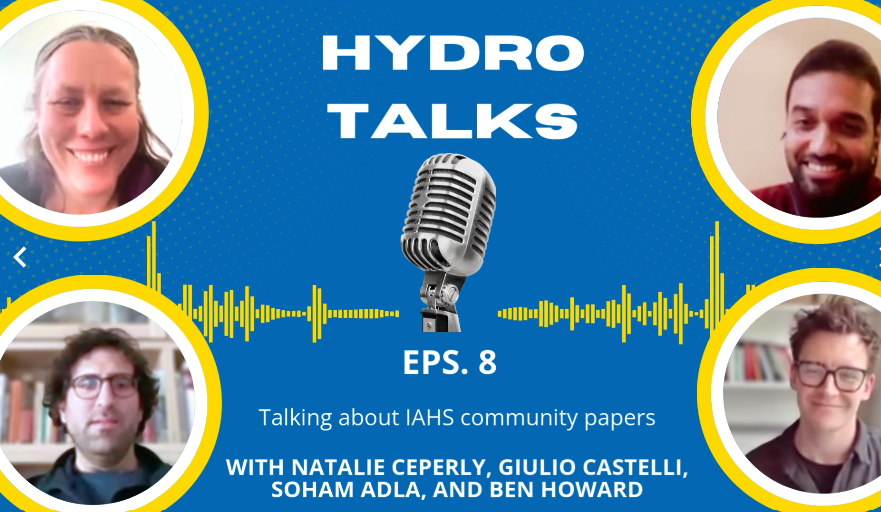
Hydrotalks: IAHS working group leaders and coordinators on HELPING scientific decade, working groups activities, and writing community papers
In episode 8 of the Hydrotalks podcast, we hosted four coordinators of working groups of the HELPING hydrological decade. We warmly welcomed Dr. Giulio Castelli (University of Florence) and Dr. Natalie Ceperley (University of Bern), group co-leaders of Co-Creating Water Knowledge working group; Dr. Soham Adla (ING Bank, Netherlands), a coordinator of Science communication, outreach, and …[Read More]
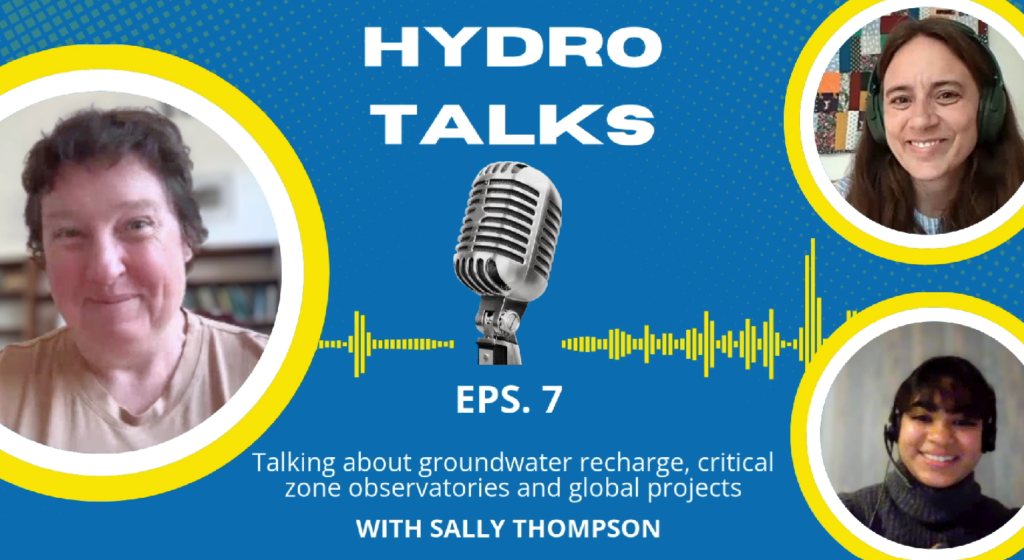
HydroTalks: Prof. Sally E. Thompson on ecohydrology, vegetation, climate change and working across continents
In episode 7 of the Hydrotalks podcast, our guest was Dr. Sally Thompson (Sally Thompson – the UWA Profiles and Research Repository). She is a Professor at the University of Western Australia, and the Co-Director of the Centre for Water and Spatial Science. Her research spans ecohydrology, surface hydrology, and Critical Zone Science, exploring how …[Read More]
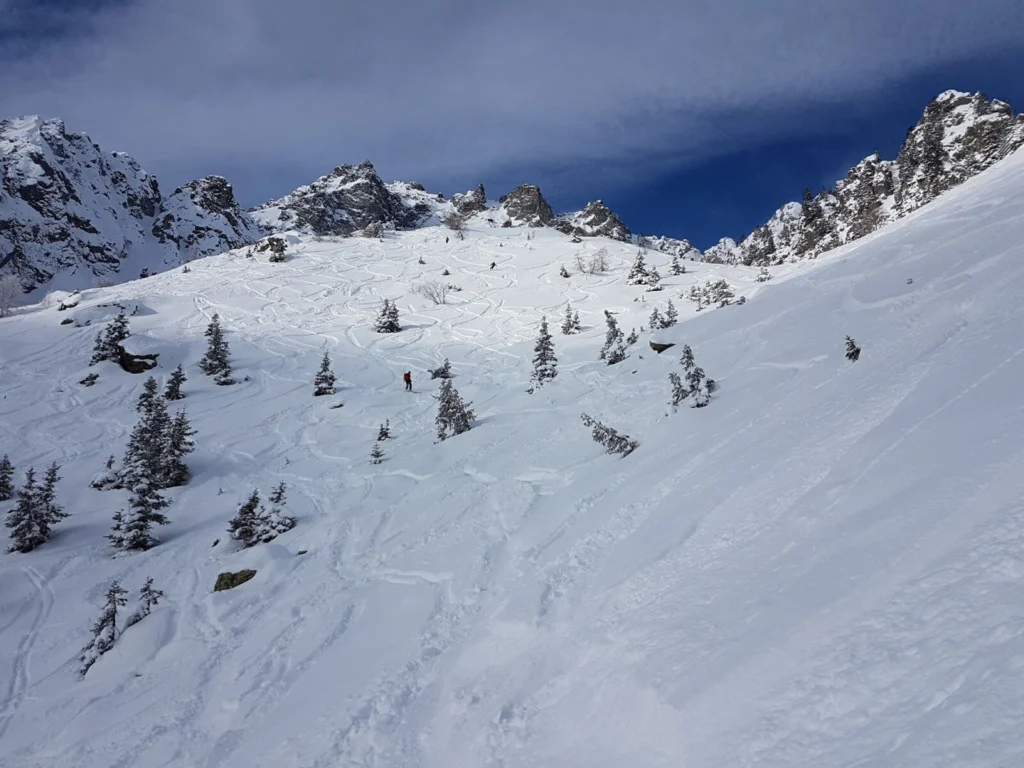
Can Machine Learning Help Us Monitor Streams?
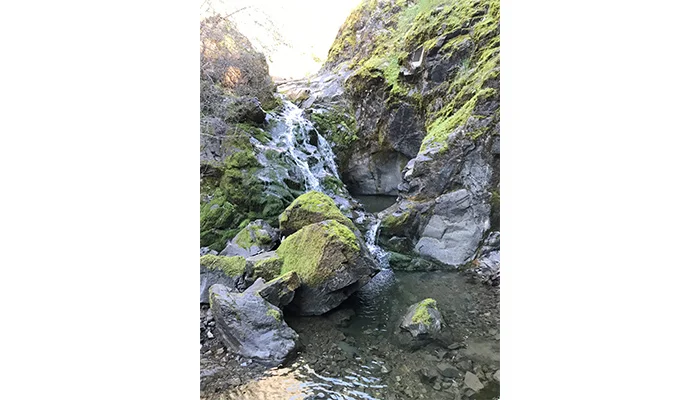
Picture this: you’re hiking through a dry landscape when suddenly you hear it—the serene sound of a babbling brook. You round a corner and discover a small waterfall cascading into crystal-clear pools, surrounded by lush green ferns and wildflowers attracting buzzing bees. It feels like stumbling upon a secret oasis. These magical streams that appear …[Read More]
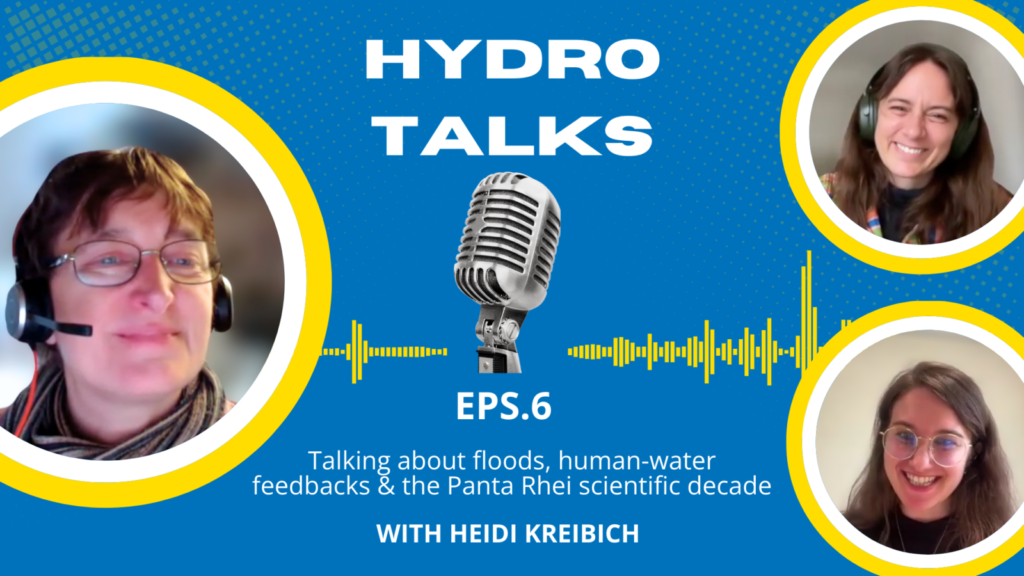
HydroTalks: Heidi Kreibich about Floods, Human-water Feedbacks, and the IAHS Scientific Decade Panta Rhei
For this month’s episode of HydroTalks, we’re thrilled to welcome Heidi Kreibich. She is head of the Section Hydrology at GFZ Helmholtz Centre for Geosciences and senior lecturer at the Geography Department of Humboldt-Universitat zu Berlin. Heidi is also president of the Natural Hazards division of the EGU and president of the International Commission on …[Read More]
Prevent before repair: What a new hydrology-based index reveals about river ecological status
When I first began analysing agricultural pressures in German river networks, I expected the familiar story of nutrient loads, pesticide traces and differences between landscapes. What I did not expect was how narrow the ecological safe operating space has become for many rivers. Even small increases in agricultural pressure, especially from pesticides, reduced the likelihood …[Read More]
Last minute information for EGU26 abstract submission
If you have not yet submitted your abstract for this year’s General Assembly (GA2026), do not forget to submit as early as possible this week (instructions here), this avoids any last minute technical challenges. . You can submit only one abstract (except for invited speakers or if you submit to an EOS-session). For your hydrology-related …[Read More]
Comparing Apples to Apples: Filtering Water Storage Compartments for GRACE
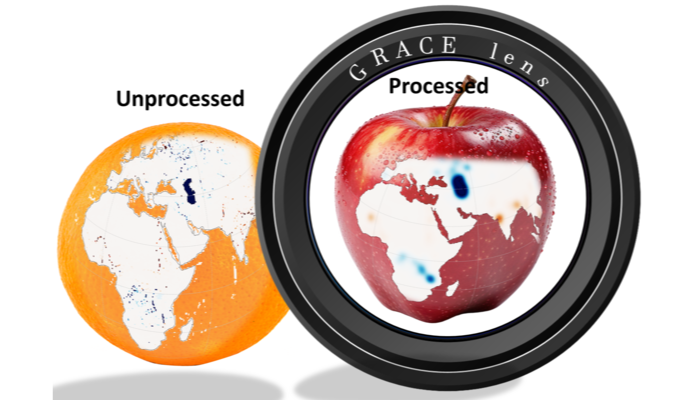
Have you ever heard that we can “weigh” water on Earth from space? Since 2002, the GRACE and GRACE-FO satellite missions have been mapping month-to-month variations of the Earth’s gravity field. Because gravity responds to mass, these data can reveal how water is redistributed at the surface and in the subsurface. The result is a …[Read More]
How to Create Your Own Water-Themed Audiotour
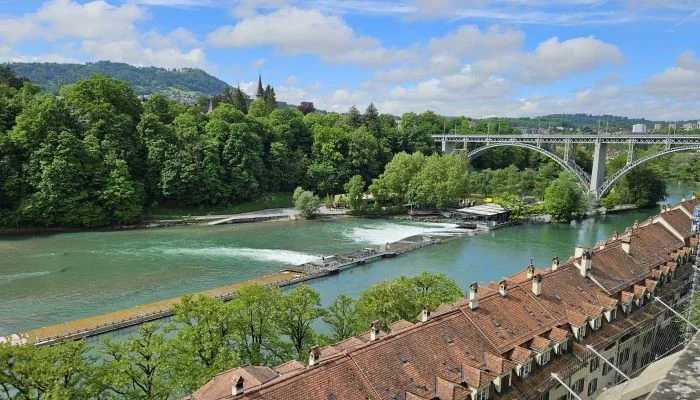
Imagine walking through the Swiss capital, Bern, a city full of water. While you walk, a voice from your headphones guides you along the way and tells you interesting facts about the river and other water sites. You discover the Matteschwelle dam, pass by several fountains, visit a historic weather station, and have a closer …[Read More]