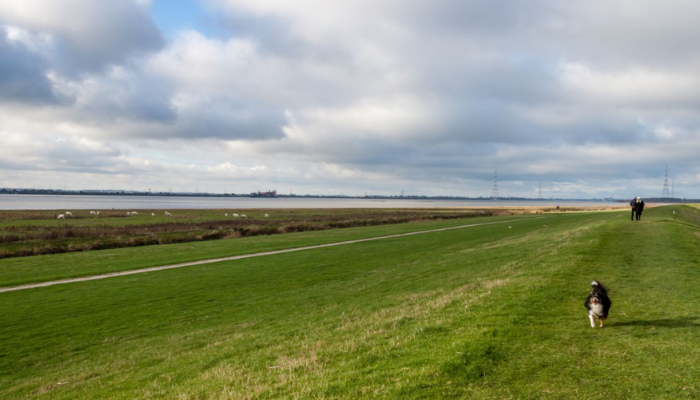
When I first began analysing agricultural pressures in German river networks, I expected the familiar story of nutrient loads, pesticide traces and differences between landscapes. What I did not expect was how narrow the ecological safe operating space has become for many rivers. Even small increases in agricultural pressure, especially from pesticides, reduced the likelihood of achieving good eco ...[Read More]
Last minute information for EGU26 abstract submission
If you have not yet submitted your abstract for this year’s General Assembly (GA2026), do not forget to submit as early as possible this week (instructions here), this avoids any last minute technical challenges. . You can submit only one abstract (except for invited speakers or if you submit to an EOS-session). For your hydrology-related research, the call-for-abstracts programme proposes t ...[Read More]
Comparing Apples to Apples: Filtering Water Storage Compartments for GRACE
Have you ever heard that we can “weigh” water on Earth from space? Since 2002, the GRACE and GRACE-FO satellite missions have been mapping month-to-month variations of the Earth’s gravity field. Because gravity responds to mass, these data can reveal how water is redistributed at the surface and in the subsurface. The result is a global time series of terrestrial water storage anomalies (TWSA)—h ...[Read More]
How to Create Your Own Water-Themed Audiotour
Imagine walking through the Swiss capital, Bern, a city full of water. While you walk, a voice from your headphones guides you along the way and tells you interesting facts about the river and other water sites. You discover the Matteschwelle dam, pass by several fountains, visit a historic weather station, and have a closer look at the clear blue water of the Aare River and its old bridges. This ...[Read More]