HS
Hydrological Sciences

Water policy, management & control

Inter-journal Special Issue “Drought, Society and Ecosystems”
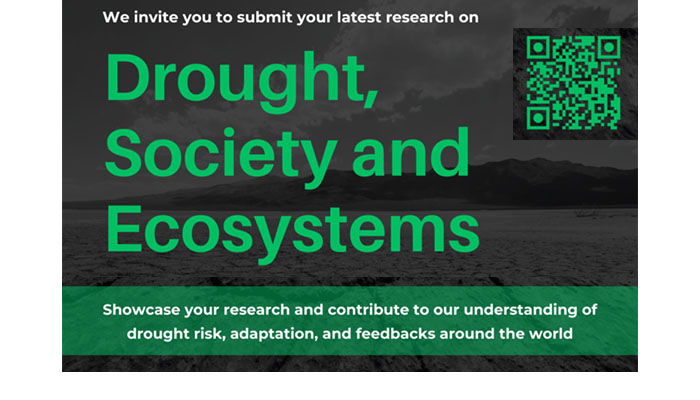
Inter-journal Special Issue “Drought, Society and Ecosystems”
Are you a scientist, researcher, student, practitioner, or stakeholder with an interest in the complex phenomenon of drought and its impacts on societies and ecosystems? If so, we have exciting news for you! The IAHS Panta Rhei scientific decade (2013-2023) working group “Drought in the Anthropocene” (DitA) is advertising an inter-journal special issue entitled “Drought, Society and Ecosystems” to ...[Read More]

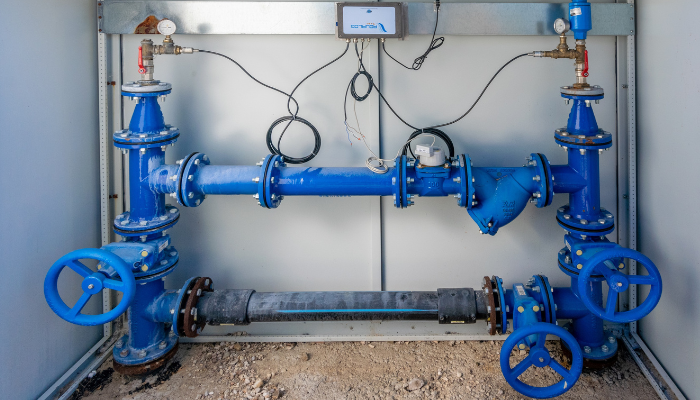
From natural streams to urban consumption: Water distribution networks and their strong environmental footprint in a changing climate

From natural streams to urban consumption: Water distribution networks and their strong environmental footprint in a changing climate

Water distribution networks play a crucial role in ensuring access to clean and safe drinking water. However, they can also have significant environmental impacts, especially in the context of a changing climate. To minimize their environmental footprint, it’s important to adopt sustainable practices by implementing energy-efficient technologies. Freshwater availability: a worsening crisis  ...[Read More]

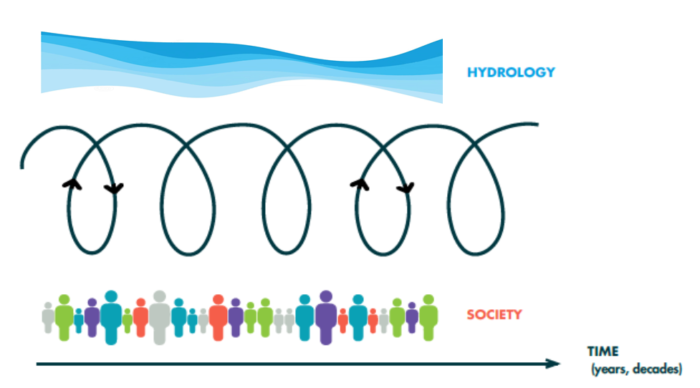
Why social inequalities matter for hydrologists?

Why social inequalities matter for hydrologists?

After a few years spent at an Earth Science department researching social inequalities and hydrological extremes — i.e. floods and droughts — I have often been asked these rhetorical questions: “Isn’t it obvious that the weakest individuals or social groups suffer the most in case of extreme hydrological events? So, why should we study these inequalities?” Driven by these questions, and the years ...[Read More]

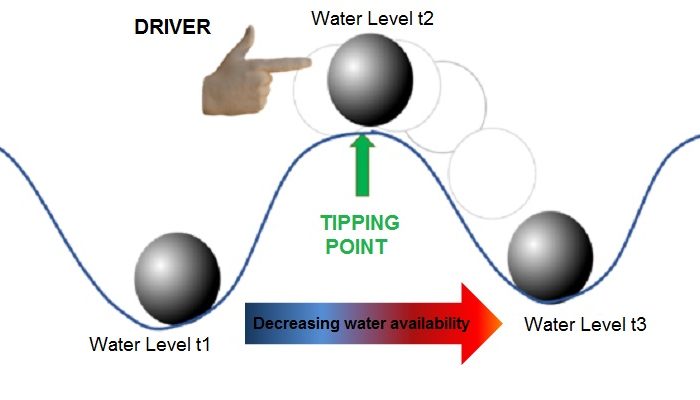
Hydrological tipping points: Can we tip the bucket?

Hydrological tipping points: Can we tip the bucket?

We live in a time of unprecedented pressure on water resources. The combination of drivers, such as human water use and land use, climate change by greenhouse gases and the human modification of other components of the Earth system coupled to the water cycle, may be pushing water resources beyond levels of sustainability at all spatial scales (Gleeson et al., 2020; Zipper et al., 2020). A particul ...[Read More]