The story so far, and how it developed We left you in part 1 of our blog (Hydrological Sciences | Co-creating water knowledge (Part 1): The history and future of an interdisciplinary working group) two days ago, anticipating what we are doing and how you can get involved with us. The IAHS Working Group on “Co-creating Water Knowledge” developed a “baseline paper”, defining core co-creation concep ...[Read More]
Co-creating water knowledge (Part 1): The history and future of an interdisciplinary working group
HELPING and the co-creation of a working group In 2023, the International Association of Hydrological Sciences (IAHS), inaugurated a new Scientific Decade, called HELPING – IAHS Science for Solutions decade, with Hydrology Engaging Local People IN one Global world. This third decade was established through a bottom-up process, by investigating the interests and the urgency of local hydrolo ...[Read More]
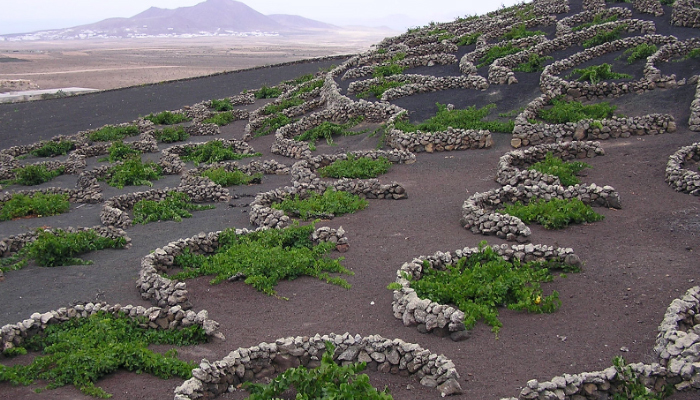
Catch the rain when it falls: a journey through water harvesting in the Anthropocene
As an environmental engineer trained in water resources management, I have always been fascinated by the multiple uses of water, and specifically the use of water for food production. I always assumed that “the largest share of freshwater resources was used for food production”, thus I logically pursued my MSc. thesis and then my Ph.D. in agricultural sciences. How Fieldwork Shifted My Perspective ...[Read More]
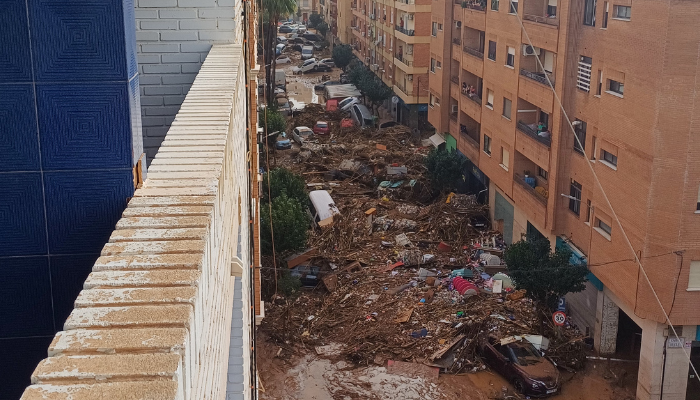
October 2024 floods in the Valencia region, Eastern Spain: One example too many of hazardous debris
The recent devastating flash floods in Valencia region, Eastern Spain, have once more highlighted the role of large debris in enhancing urban flood hazard. Urban debris – so-called Urban Flood Drifters (UFDs) – are very varied as shown by a recent survey. They include vehicles, deadwood, waste bins, containers of many types, construction materials, and many other objects. Once these ar ...[Read More]