HS
Hydrological Sciences

Catchment hydrology

Can Machine Learning Help Us Monitor Streams?

Can Machine Learning Help Us Monitor Streams?

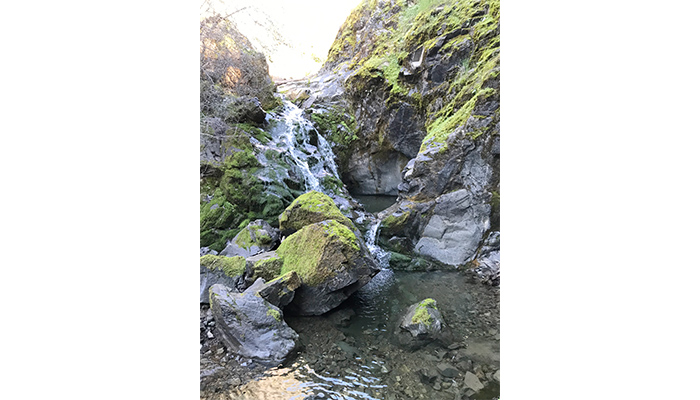
Picture this: you’re hiking through a dry landscape when suddenly you hear it—the serene sound of a babbling brook. You round a corner and discover a small waterfall cascading into crystal-clear pools, surrounded by lush green ferns and wildflowers attracting buzzing bees. It feels like stumbling upon a secret oasis. These magical streams that appear and disappear with the seasons are called ...[Read More]

Prevent before repair: What a new hydrology-based index reveals about river ecological status

Prevent before repair: What a new hydrology-based index reveals about river ecological status

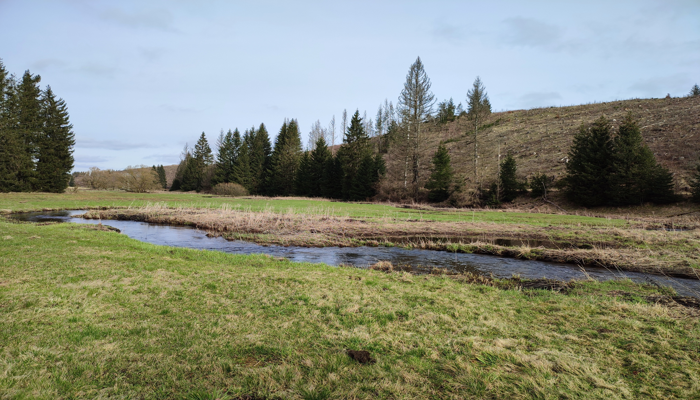
When I first began analysing agricultural pressures in German river networks, I expected the familiar story of nutrient loads, pesticide traces and differences between landscapes. What I did not expect was how narrow the ecological safe operating space has become for many rivers. Even small increases in agricultural pressure, especially from pesticides, reduced the likelihood of achieving good eco ...[Read More]

HydroTalks Podcast: Prof. Jan Seibert about hydrological models, experimental catchments and advice for early career scientists

HydroTalks Podcast: Prof. Jan Seibert about hydrological models, experimental catchments and advice for early career scientists

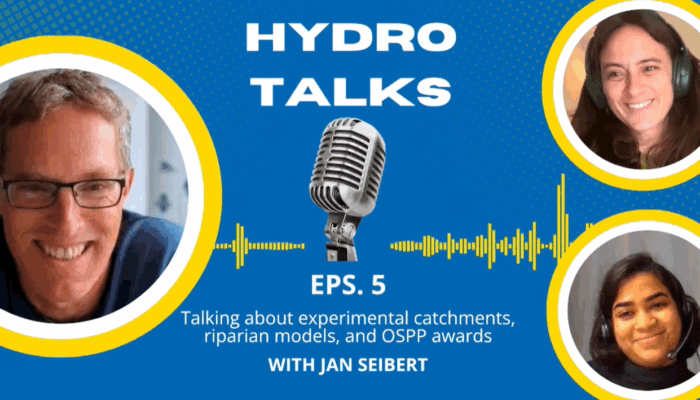
For this episode, we’re thrilled to welcome Prof. Jan Seibert, based at the Department of Geography, University of Zurich. His research focuses on hydrological modelling under landscape change, citizen science through the CrowdWater app, and large-scale modelling studies. He is also the Henry Darcy medal winner of 2025. You can check out the podcast below, or read the interview summary in this blo ...[Read More]

ROBIN: Tracking Climate Change Through the World’s Most Natural Rivers

ROBIN: Tracking Climate Change Through the World’s Most Natural Rivers

Hydrological change is one of the clearest signals of climate variability and human impact on the environment. Yet detecting these changes reliably requires robust, long-term data from river basins that are as close to “natural” as possible, with little influence from dams, abstractions, land use change or any other human influences. That’s where the ROBIN project comes in.  ROBIN, or the Referenc ...[Read More]