GD
Geodynamics

edited by Anne Glerum

Anne is a postdoctoral fellow in the Geodynamic Modelling section at GFZ Potsdam. Through numerical modeling, she investigates continental rift dynamics, focusing on the effect of along-rift variations as well as magma-tectonic feedback processes on rift evolution. Anne is part of the GD blog team as an editor.

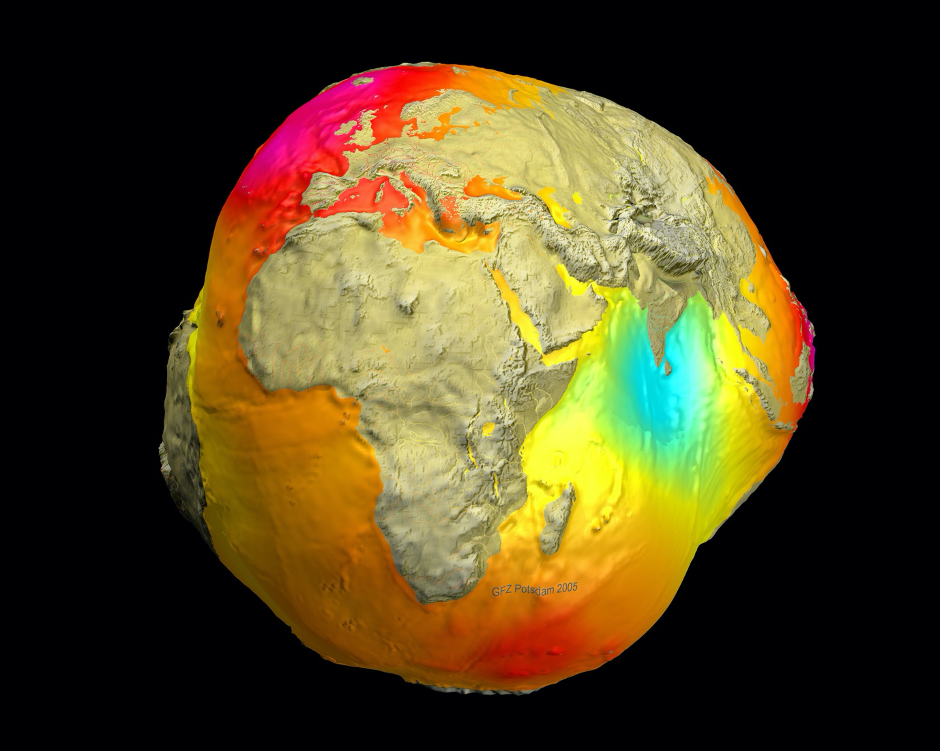
The Indian Ocean Geoid Low at a plume-slab overpass
The Potsdam gravity potato

In this week’s News & Views, Postdoc Elodie Kendall from GFZ Potsdam shares with us recent work on the mantle structures that could explain the Indian Ocean Geoid Low.           What is the geoid, what does it look like and what can it tell us about mantle structure? The geoid is a model of the shape of the oceans’ surface if only gravity and Earth’s rotation act ...[Read More]

Rift linkage and rotating microplates

Rift linkage and rotating microplates

2020 left your head spinning? This week Derek Neuharth from GFZ Potsdam introduces us to the spinning microplates that can be found in extensional plate boundaries such as the East African Rift System and the East Pacific Rise. Divergent plate boundaries Microplates are enigmatic features that form in the boundaries between tectonic plates. Generally, plate boundary dynamics are divided into three ...[Read More]

Can plume-lithosphere interaction initiate a modern subduction zone?

Plume-induced subduction inititation?

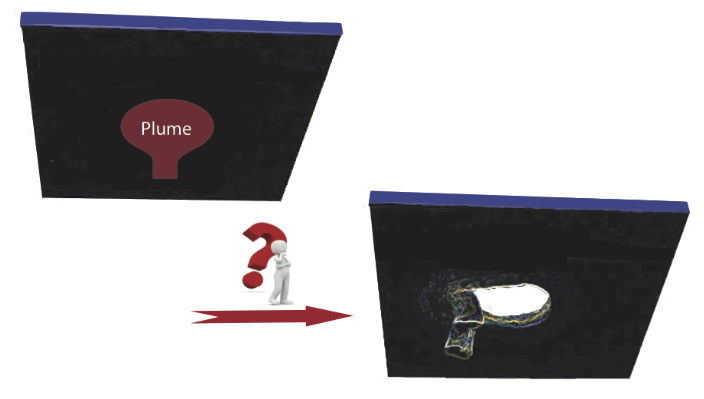
This week in News & Views, dr. Marzieh Baes from GFZ Potsdam introduces us to the mechanisms behind subduction initiation. Moreover, she discusses the different types of subduction initiation in reaction to plume-lithosphere interaction that she observed in her recent 3-d numerical modelling study. Possible scenarios of subduction initiation According to plate tectonics, oceanic plates are for ...[Read More]

Science. Exploration. Survival.

Shackleton

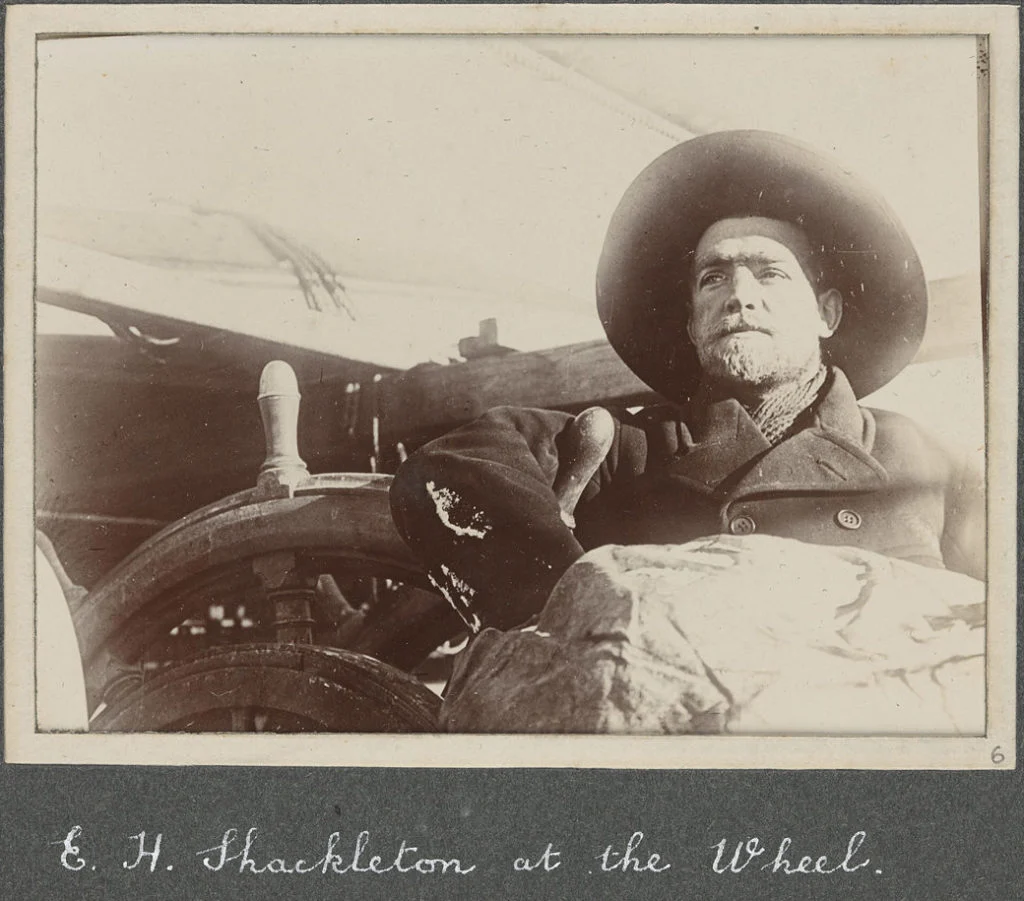
A scientific career can be a struggle. This week Dave Stegman, Associate Professor at Scripps, draws parallels between being a scientist and being an Antarctic explorer. He dangled in the crevasse, unable to touch the sides; the abyss beneath was hundreds of feet deep; the rope he was suspended from was 14 feet long, connected above to the sledge he had been hauling. Was it luck when his sledge ha ...[Read More]

Enigmas at depth

Enigmas at depth

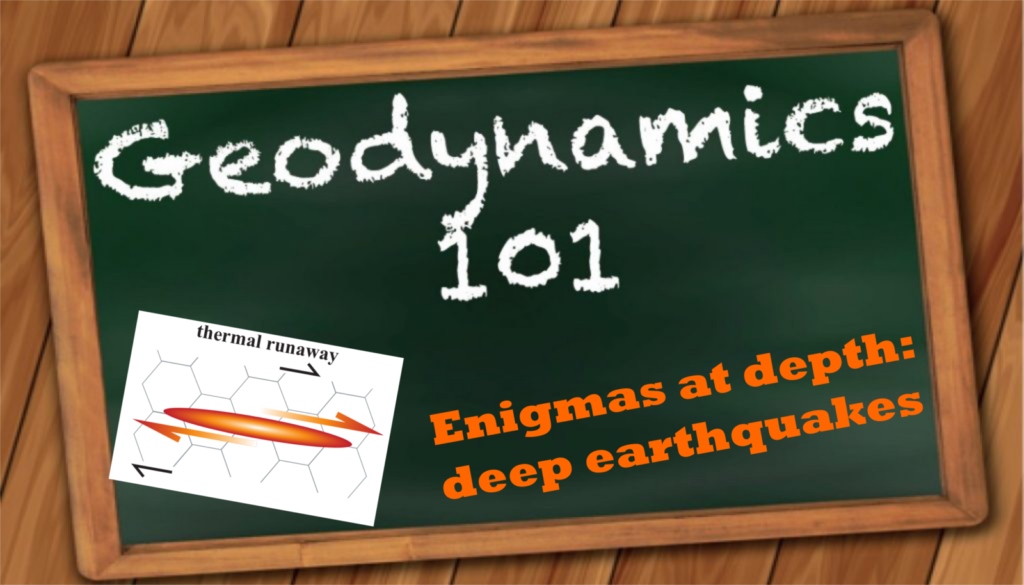
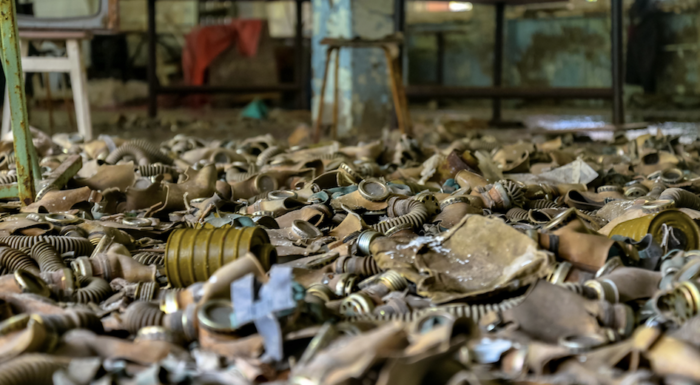
The Geodynamics 101 series serves to showcase the diversity of research topics and/or methods in the geodynamics community in an understandable manner. In this week’s Geodynamics 101 post, Marcel Thielmann, Senior Researcher at the University of Bayreuth, discusses the possible mechanisms behind the ductile deformation at great depths that causes deep earthquakes.  Earthquakes are one of the expre ...[Read More]

Magma dynamics

Magma dynamics

In this week’s Geodynamics 101 post, Juliane Dannberg, Assistant Professor at the University of Florida, outlines the role of mantle melt generation and transport in geodynamics. Mantle melting and magma transport are important influences on the dynamics and chemical evolution of the Earth’s interior. All of Earth’s oceanic crust and depleted oceanic lithosphere is generated through melting ...[Read More]

Climate protests at the start of Global Week for Future

Climate protests at the start of Global Week for Future

For months, students have skipped school on Fridays to ask for more action against climate change. To kick off the Global Week for Future, last Friday saw thousands of demonstrations in many countries around the globe, with not only high school students joining the fray, but people from all walks of life. GFZ Potsdam’s Bernhard Steinberger and Thilo Wrona share their experiences in Potsdam and Ber ...[Read More]

What controlled the evolution of Plate Tectonics on Earth?

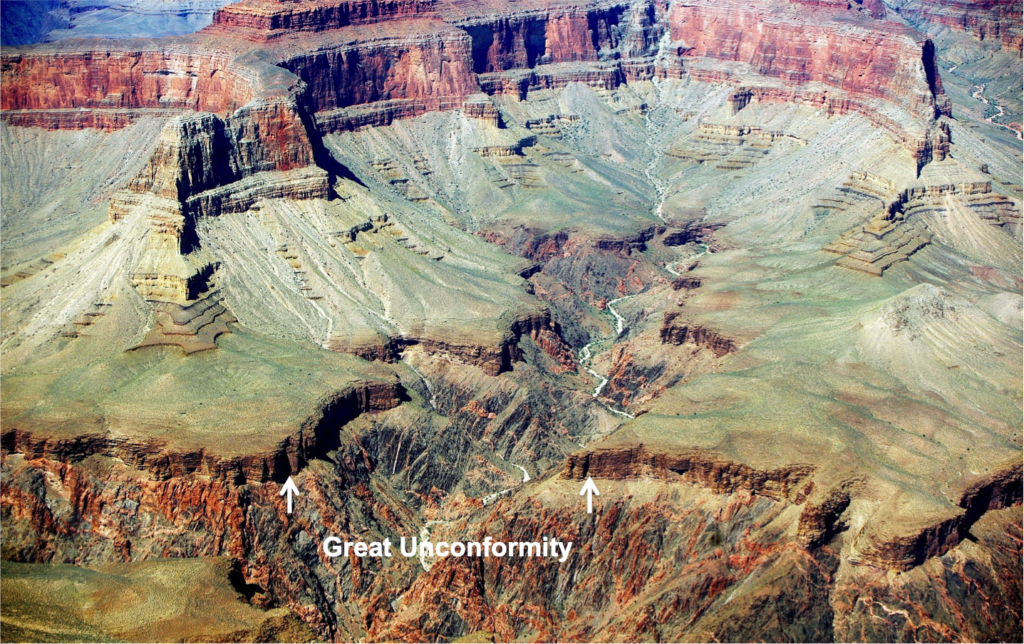
Great Unconformity - Immensity River, Grand Canyon

Plate tectonics is a key geological process on Earth, shaping its surface, and making it unique among the planets in the Solar System. Yet, how plate tectonics emerged and which factors controlled its evolution remain controversial. The recently published paper in Nature by Sobolev and Brown suggests new ideas to solve this problem…. What makes plate tectonics possible on contemporary Earth? It is ...[Read More]

Remarkable Regions – The Réunion Hotspot

Remarkable Regions – The Réunion Hotspot

This week we again turn our attention to a Remarkable Region that deserves a spot in the scientific limelight. Postdoctoral researcher Eva Bredow of Kiel University shares with us her long history with Réunion Island. At first glance, Réunion is a relatively small tropical island, located between Madagascar and Mauritius, and from my personal experience, most Germans have never even heard of it. T ...[Read More]

Being both strong and weak

Being both strong and weak

The Geodynamics 101 series serves to showcase the diversity of research topics and methods in the geodynamics community in an understandable manner. We welcome all researchers – PhD students to Professors – to introduce their area of expertise in a lighthearted, entertaining manner and touch upon some of the outstanding questions and problems related to their fields. For our latest ‘Geodynamics 10 ...[Read More]