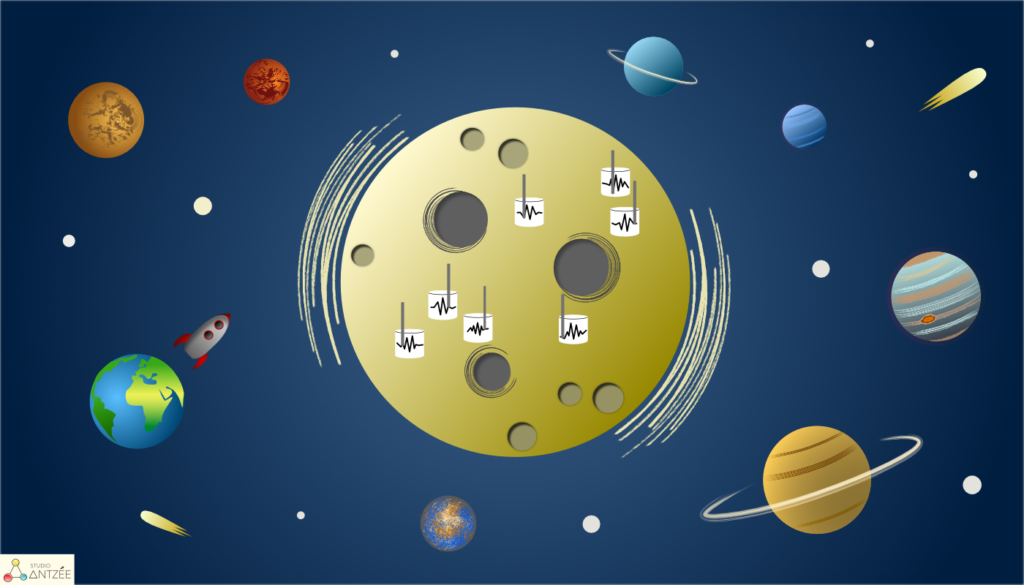

The Moon is our nearest neighbour but despite its proximity to Earth its two faces are still veiled in mystery! This week PhD student Alice Turner from the University of Oxford explores deep lunar seismicity and what this can (or cannot!) tell us about the Moon’s interior and its near- & far-sides! Outlining the Earth …[Read More]
Become the next EGU GD Science Officer!
The Geodynamics division at the European Geosciences Union is looking for two new Science Officers to join the EGU GD Programme Group. Come join us and help shape the future of EGU conferences! What is a Science Officer and what do they do? Science officers work together to design an exciting, diverse, broad, and inclusive …[Read More]
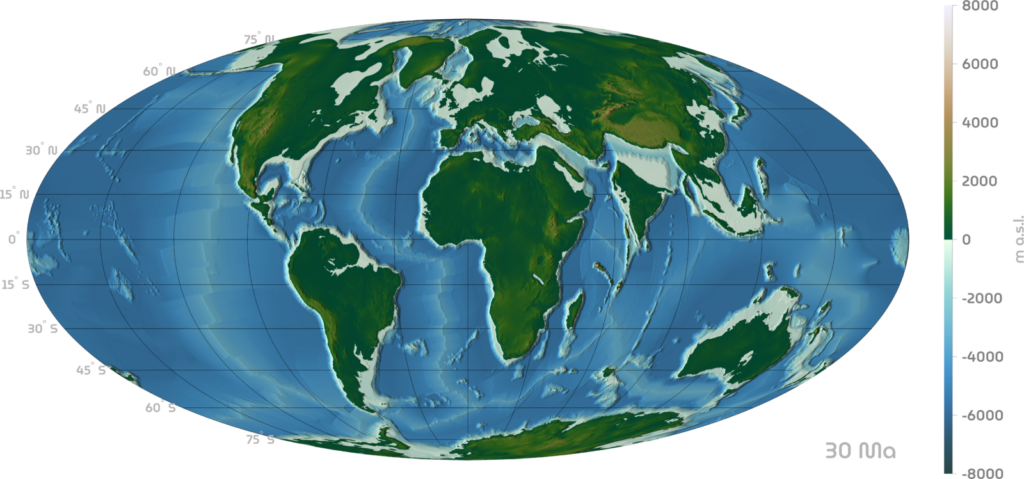
Paleogeography and the Northern Hemisphere Oceanic Gateways
Eivind Straume a Postdoctoral fellow at the Department of Geological Sciences within the Jackson School of Geosciences explores how the opening and closing ocean gateways have influenced the Earth’s climate in the past. Changes in Earth’s geography due to tectonic plate motions and mantle convection influence climate evolution on geological timescales. Over millions of …[Read More]
Catching up with Iris van Zelst on everything outreach, science communication, and vlogging
Following from last week’s post on the Science Sisters series, this week we sit with outreach extraordinaire and EGU GD blog editor-in-chief Iris van Zelst to talk about all things scicom, vlogging and a new geological time game that you do not want to miss out on! Hi Iris, thanks for chatting with us! First …[Read More]
Navigating the Increasingly Computational Science World – Tools and Ideas to Help!
This week Dunyu Liu a computational scientist at the Institute of Geophysics at the University of Texas at Austin, shares his tips, tricks, and best practices for painless code development. The scientific world is becoming more and more computational, with numerical methods and models being critical to many disciplines such as geodynamics, earthquake dynamics and …[Read More]
Sliding across the Solar System – The missing origins of gigantic landslides
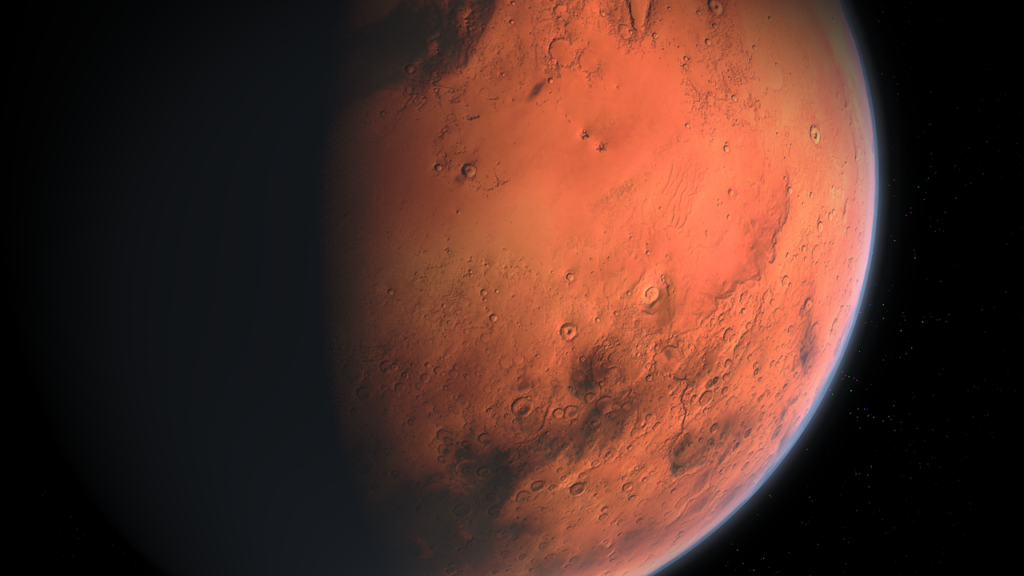
Landslides can be impressively huge and fast and can occur on all sorts of places including asteroids, rocky moons and Mars! Giulia Magnarini Post Doctoral Researcher at the Natural History Museum in London writes all about these gigantic landslides and the clues they could hold into the martian past! Gigantic landslides are ubiquitous in our …[Read More]
Simulating materials in the Earth’s interior using atoms
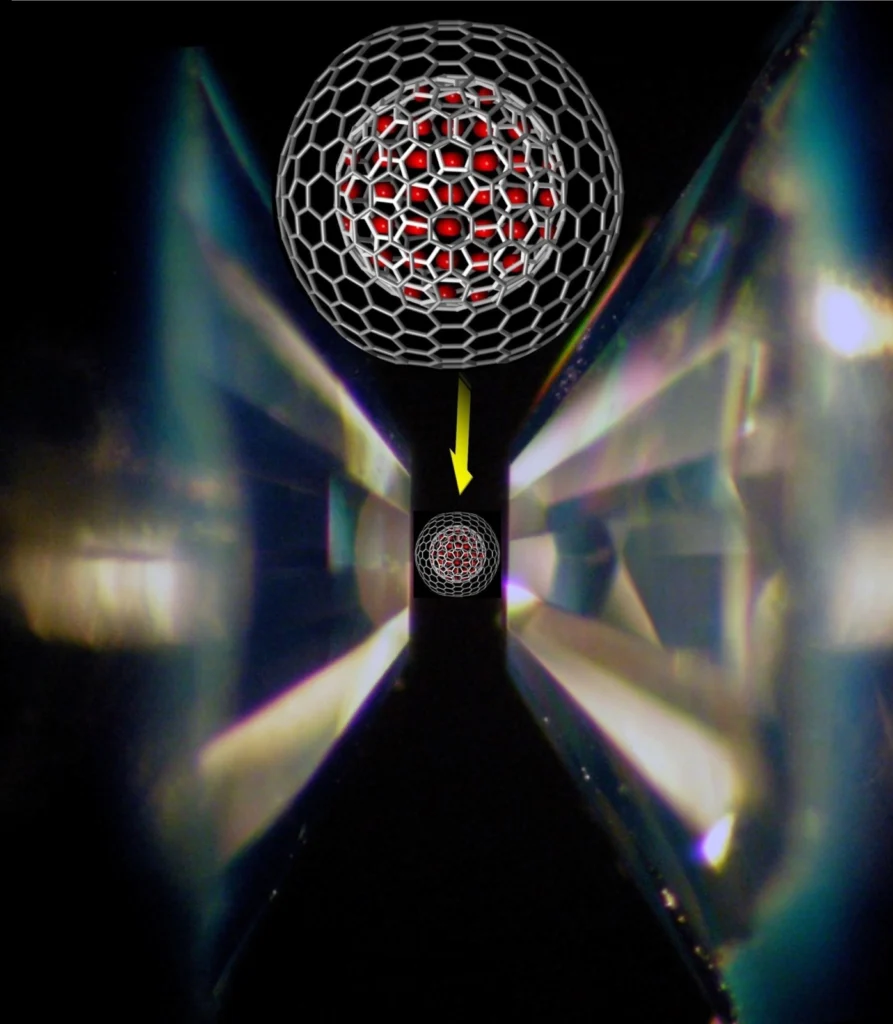
This week UCLA PhD student Leslie Insixiengmay takes us on a microscopic journey to the Earth’s interior and tells us all about the atomic forces that shape the deep Earth behaviour! A question I get asked a lot is: “How do we know what’s inside of the Earth?” It’s a good and valid question considering …[Read More]
Modelling the Thermal Evolution of Subduction Zones
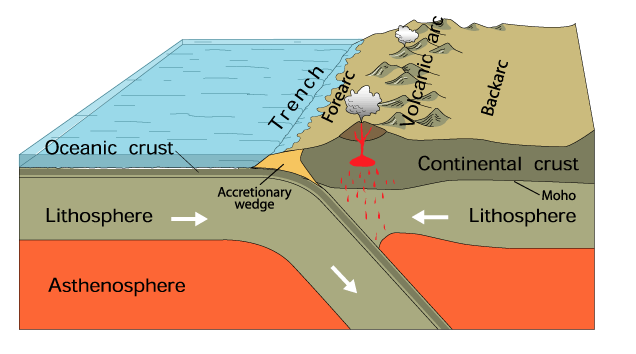
Subduction zones are as complex as they are ubiquitous. To understand subduction zone dynamics and processes we first have to understand the thermal structure of subduction zones and how this evolves in time. This week Adam Holt, Assistant Professor in the Department of Marine Geosciences (MGS) at the University of Miami Rosenstiel School of Marine …[Read More]
Conferencing during a pandemic: lessons learned
Conferences are a vital part of academic life but with many conferences moving online due to the pandemic, the virtual conference hall can be a minefield! After a year of conferencing from afar, Kiran Chotalia shares the tips and tricks to make the conference experience live from your living room a breeze! It would be …[Read More]