Too hot, Too soon: the thermometer has reached unprecedented temperature for a month of June in France, with the 40°C mark crossed by Friday June 17 in part of France. The IPCC AR6 report now clearly states that the probability of heatwave events such as this one has increased by a factor 3 to 5 in the present climate with respect to a counterfactual world not affected by anthropogenic greenhouse ...[Read More]
extreme weather events
When weather extremes meet climate change: how do scientists attribute single events to climate change?
One of the main new points of the IPCC reports AR6 with respect to the previous ones is the increased confidence that global climate change induced by anthropogenic emissions is critically affecting the dynamics of weather extremes. For summer, and specifically over Europe, the AR6 report states that we are already observing prolonged periods of extremely warm conditions with increased droughts bo ...[Read More]
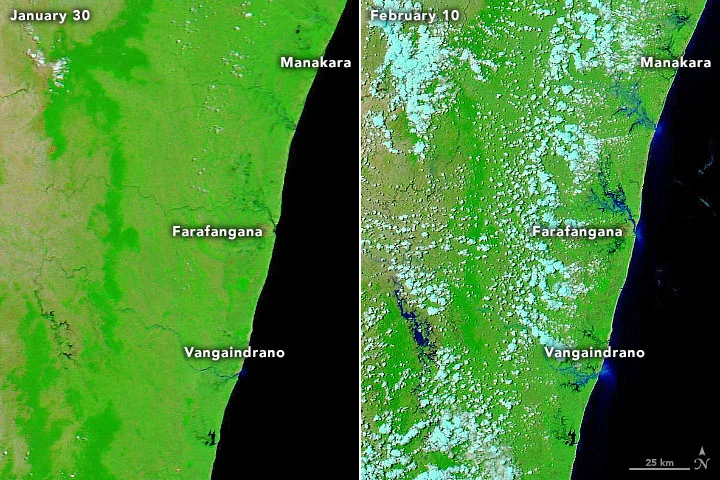
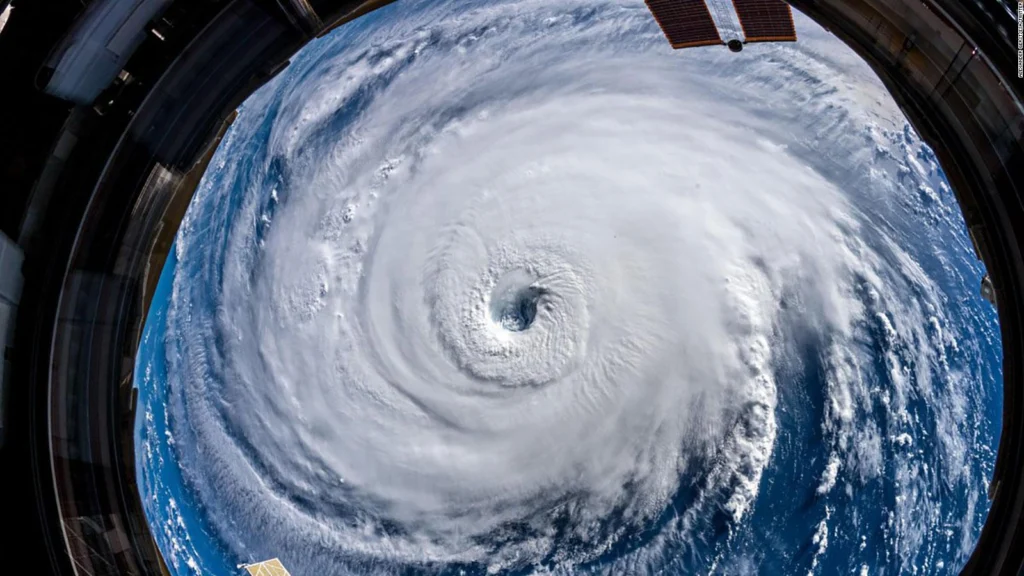
From the eyes of tropical cyclones to flooded strands : how climatologists use weather events to make climate predictions?
While extreme events are meteorological in nature, climatologists collect them to draw conclusions about the state of the present climate and to get clues how they possibly change in the future. Thus, climate and weather find common ground. If we consider an event alone, we are not studying the climate, we are in the field of meteorology, the goal of climatologists is therefore to put extreme even ...[Read More]
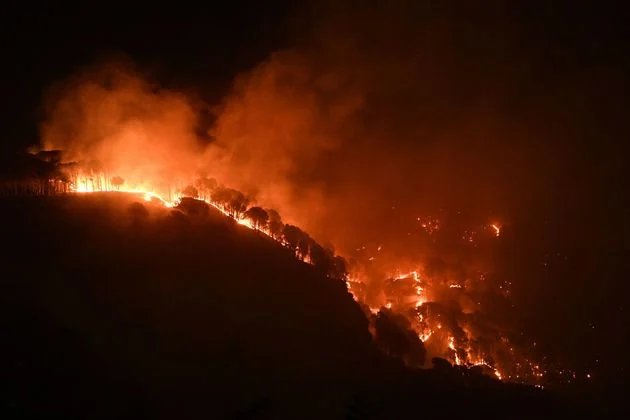
Three reasons why Forest-Fires worsen with climate change
The brand-new IPCC AR6 report clearly states that “Unless there are immediate, rapid and massive reductions in greenhouse gas emissions, limiting warming to around 1.5°C, or even 2°C, will be out of reach”. Although as human beings we do not perceive changes in global Earth average temperatures as a threat to our lives, the IPCC report also states that extreme weather events will worsen; actually ...[Read More]
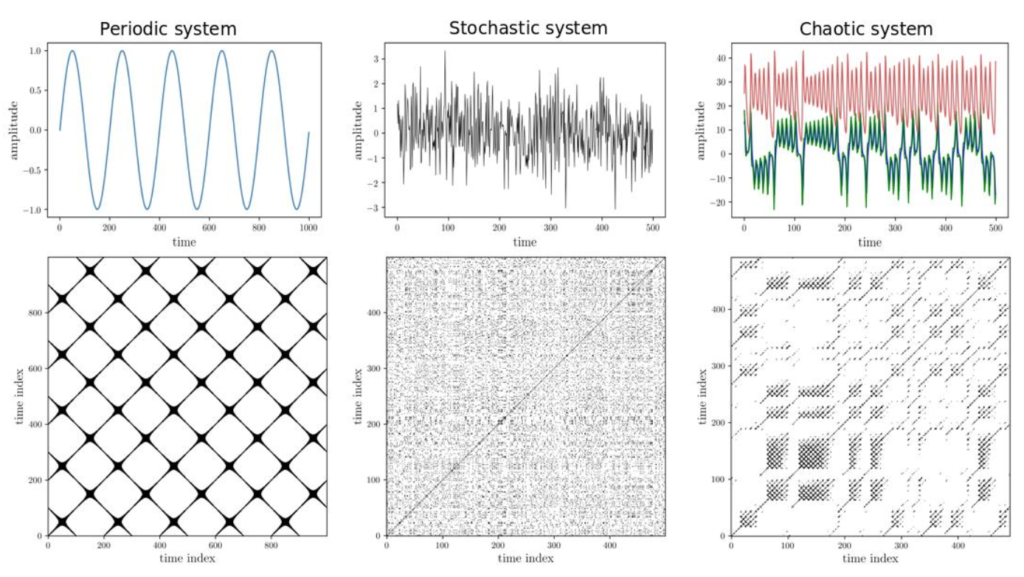
NPG Paper of the Month: “Recurrence analysis of extreme event-like data”
The May 2021 NPG Paper of the Month award goes Abhirup Banerjee and his co-authors for their paper “Recurrence analysis of extreme event-like data“. Abhirup is pursuing a doctoral degree in Theoretical Physics at University of Potsdam. He is working at Potsdam Institute of Climate Impact Research as a guest researcher as part of the DFG funded NatRiskChange project. In this project, he ...[Read More]
When carbon emissions break nature: icebergs and their feedback to climate change
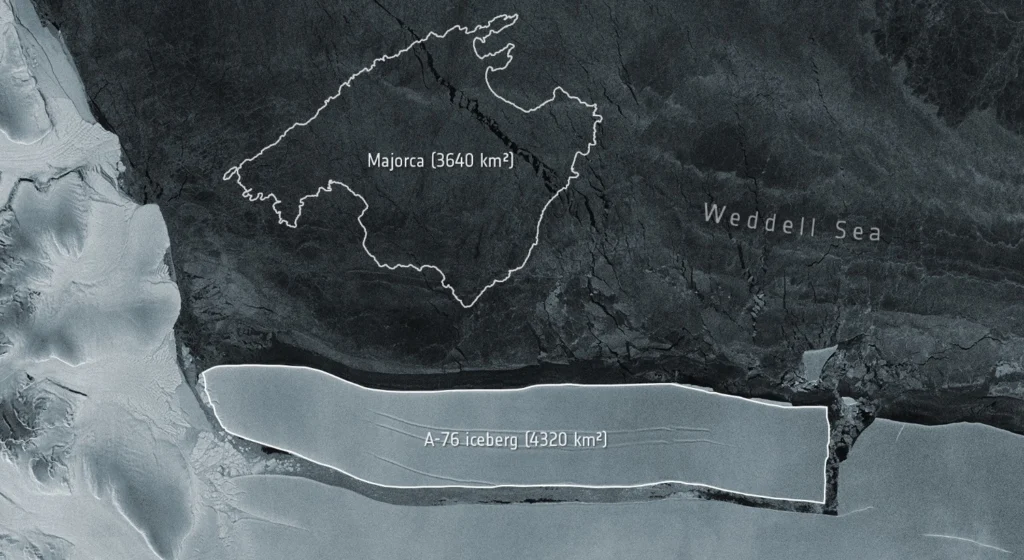
The largest iceberg in the world, named A-76, about 170 km long and 25 km wide, is drifting away from the Ronne pack ice in Antarctica. A76, originally spotted by the British Antarctic Survey (BAS), a British polar research organization with a base nearby, will wander and melt in the Weddell Sea, according to a statement released Wednesday, May 20, by the European Space Agency. Several studies are ...[Read More]
Four reasons for still observing cold spells despite the undeniable global climate change
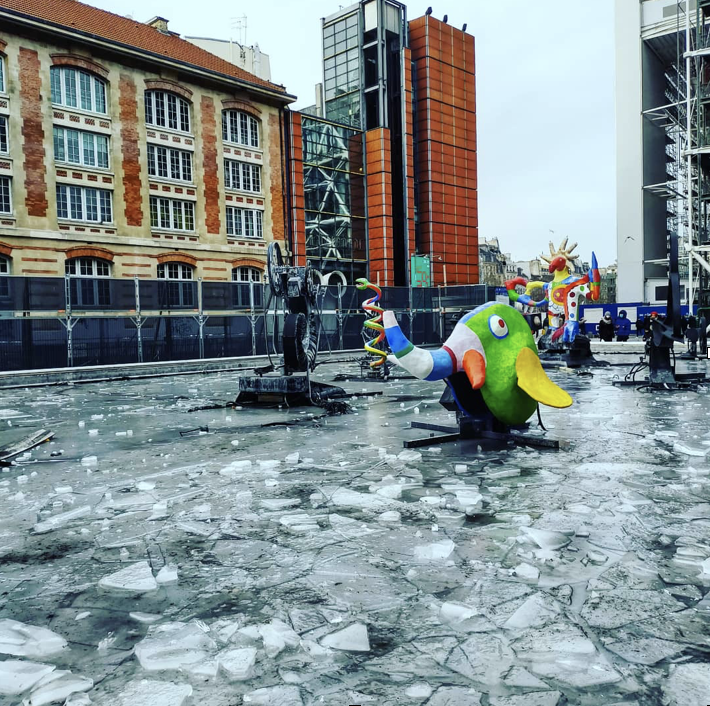
The winter of 2020-2021 has been characterized by various cold waves affecting – at different times – Western and Eastern Europe and North America. The most striking pictures show Madrid covered by up to 40 cm of fresh snow, frozen Thames near London and Canal St Martin in Paris, heavy snow in Amsterdam and even on the Eolian Islands, just offshore Sicily. At first this seems contradi ...[Read More]
NPG Paper of the Month: “Statistical postprocessing of ensemble forecasts for severe weather at Deutscher Wetterdienst”
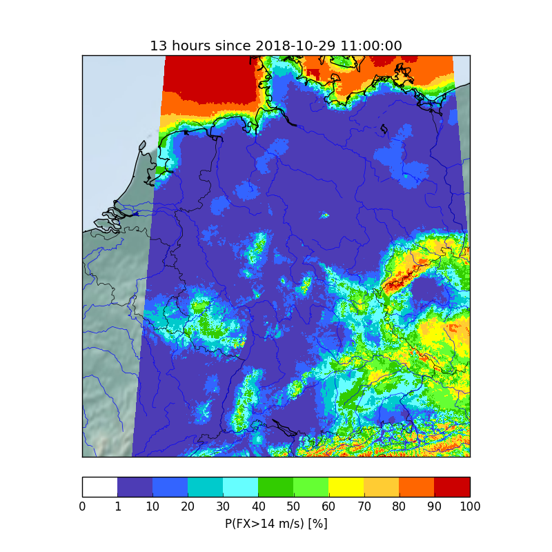
The October 2020 NPG Paper of the Month award goes to Reinhold Hess for the paper “Statistical postprocessing of ensemble forecasts for severe weather at Deutscher Wetterdienst“. Ensemble Forecasting rose with the understanding of the limited predictability of weather. In a perfect ensemble system, the obtained ensemble of forecasts expresses the distribution of possible weather scena ...[Read More]
The never-ending 2020 hurricane season
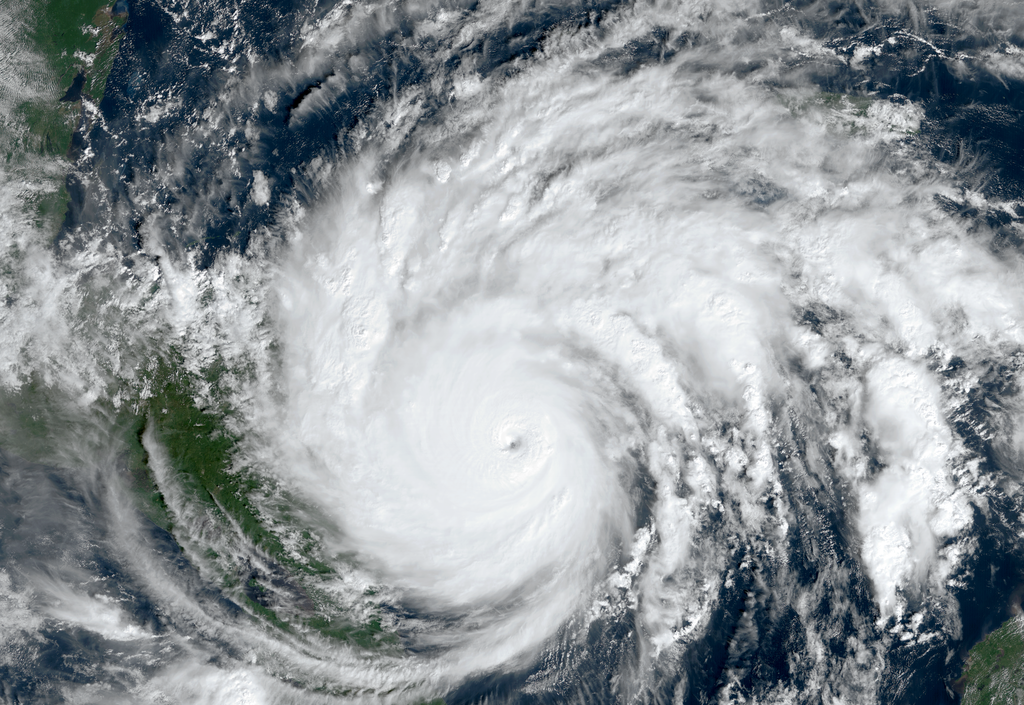
Iota, this is the name of the last category 5 hurricane in the Atlantic Ocean. Iota is a non-name because normally hurricanes are named by NOAA starting from A to Z but when the alphabet is over, they are just identified from a letter of the Greek alphabet. Iota is a special cyclone not just because its name implies that the hurricane season is particularly rich in storms but also because of its e ...[Read More]
A new European effort to better understand extreme weather
Extreme weather events routinely have detrimental socio-economic impacts around the globe. In fact, weather-related events make up over 90% of natural disasters worldwide [1]. In the new millennium, the frequency of many extreme weather events such as droughts and high temperatures, has systematically exceeded the levels seen in the 1980s and 1990s [1], and anthropogenic climate change may further ...[Read More]